

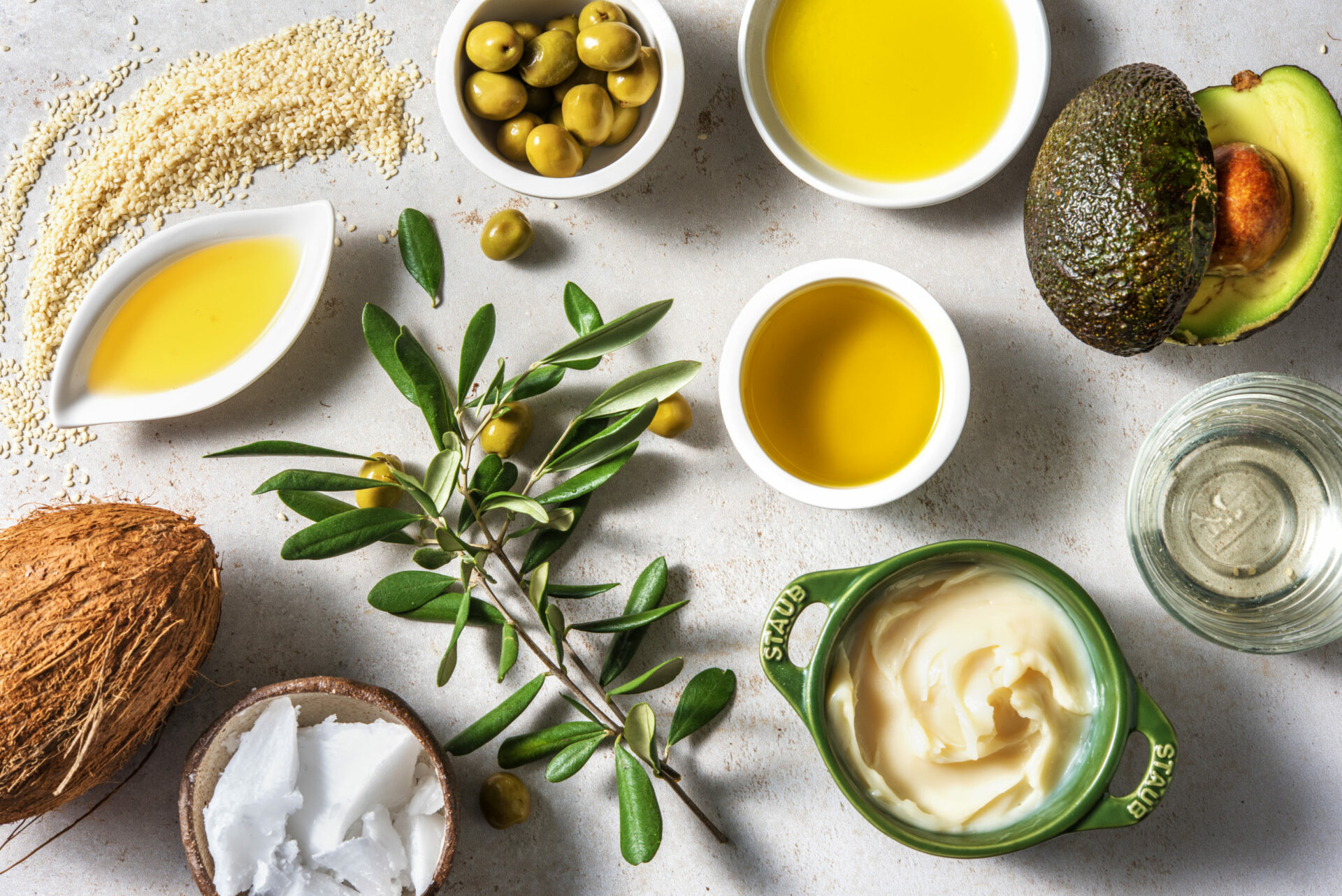

There are so many types and varieties of cooking oil available. In fact, each oil out there is better suited to certain types of cooking or certain taste preferences. Read these 20 infographics to learn which oils the best compliment your meals.
1. Cooking Oils Guide


2. Your Guide to Cooking With Healthy Oils
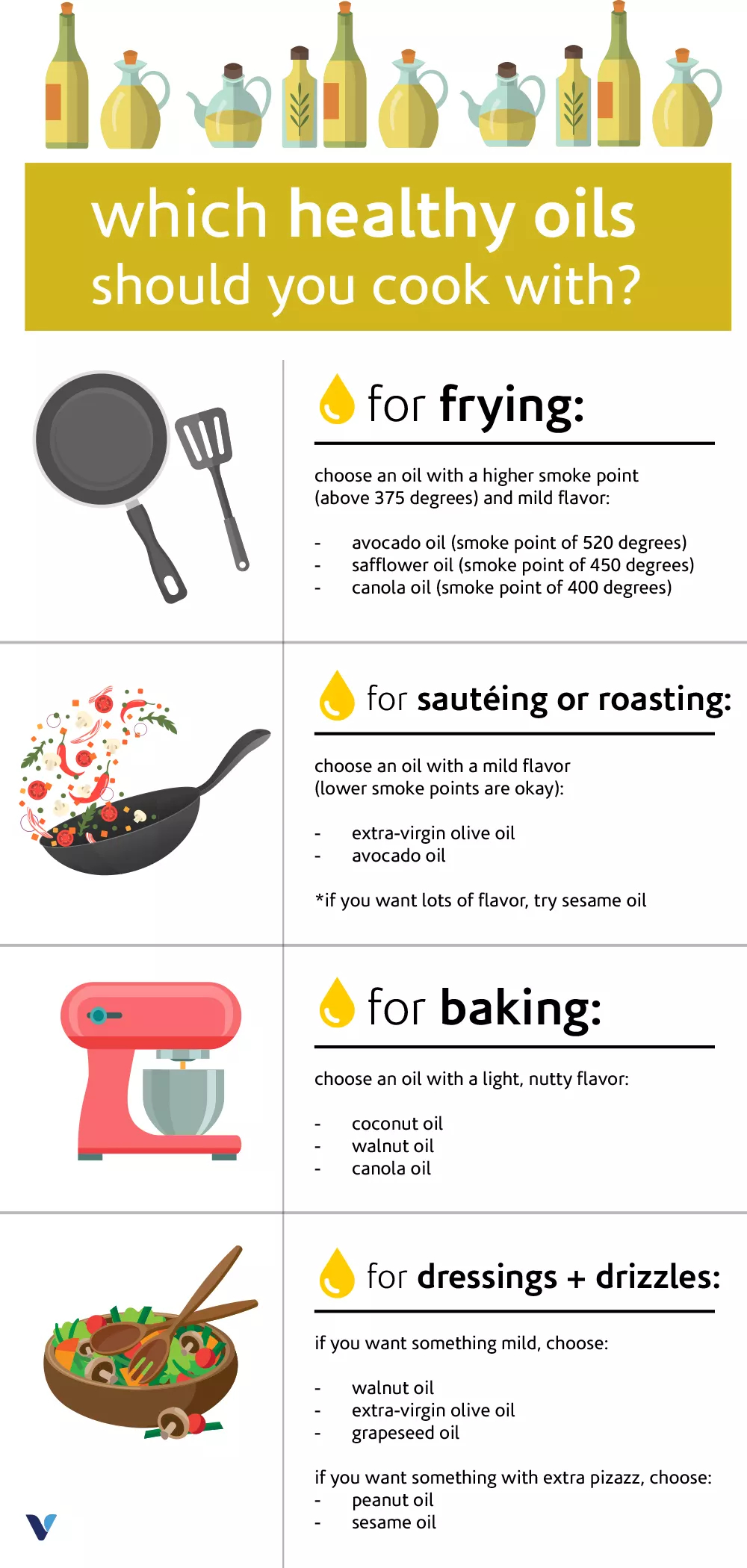

3. The Cooking Oils You Should be Using & When to Use Them


4. All About Oils


5. Cooking Oil Smoke Points


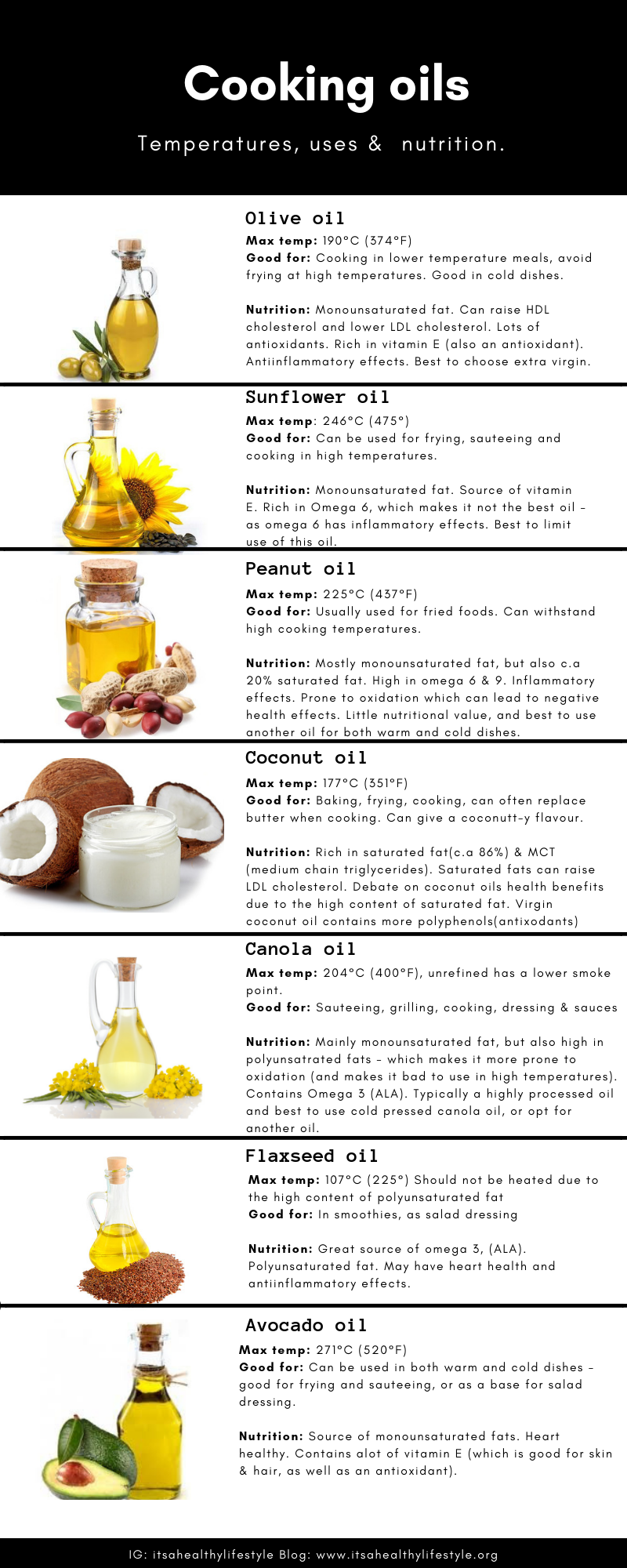
6. Cooking Oils Temperatures, Uses & Nutrition

7. The Ultimate Guide to Cooking Oil


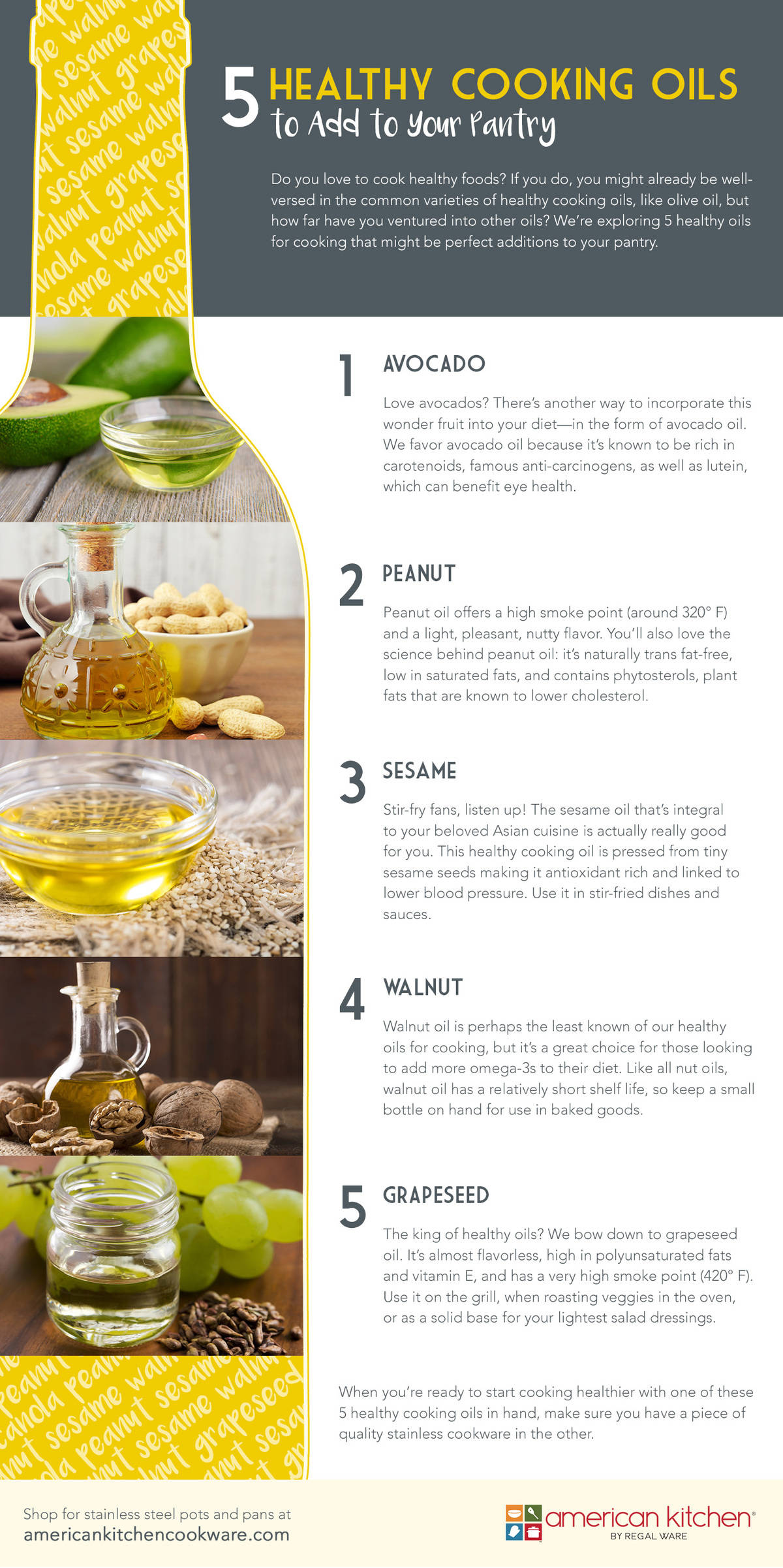
8. 5 Healthy Cooking Oils to Add to Your Pantry

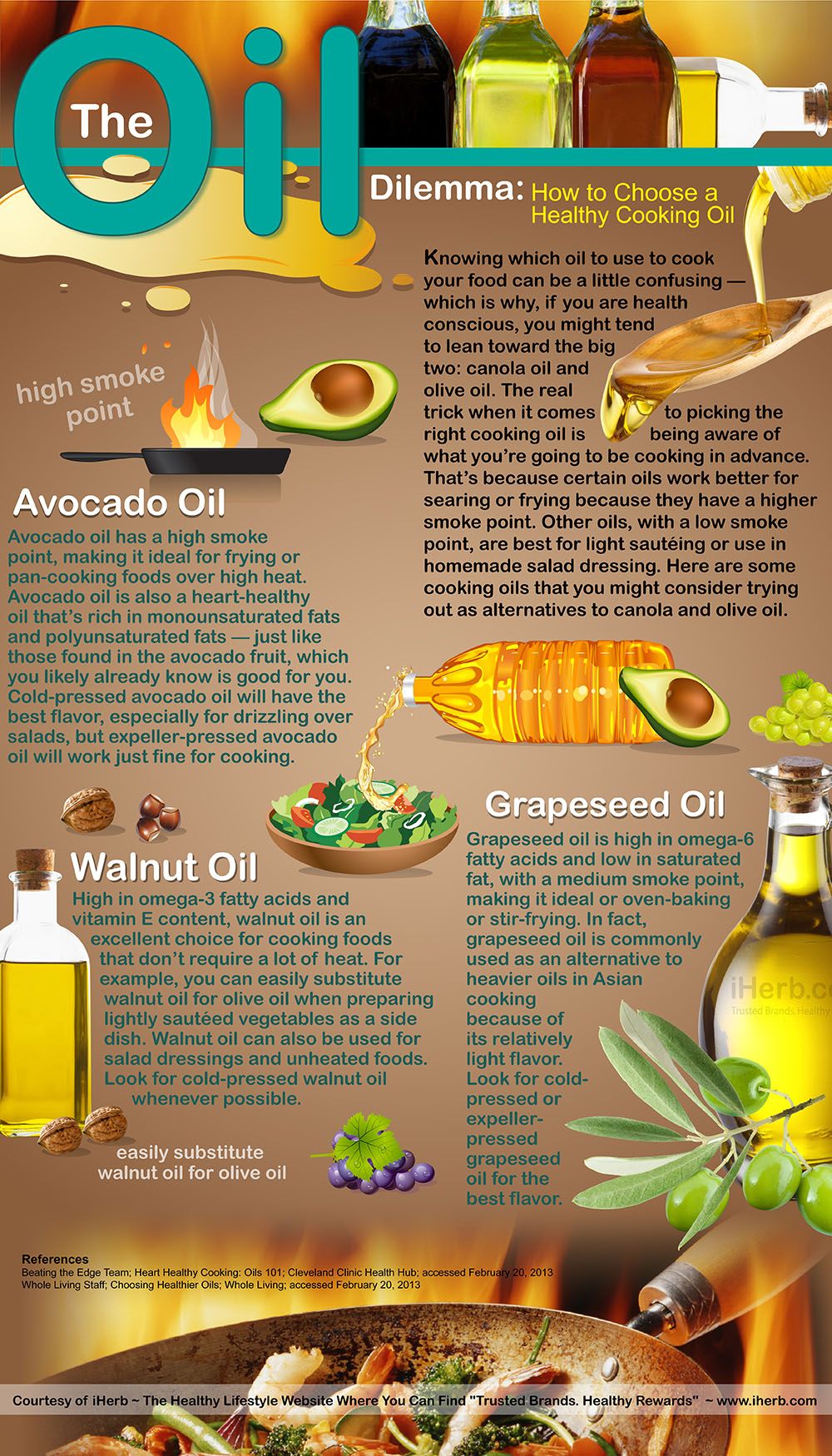
9. The Healthiest Alternatives to Cooking Oil
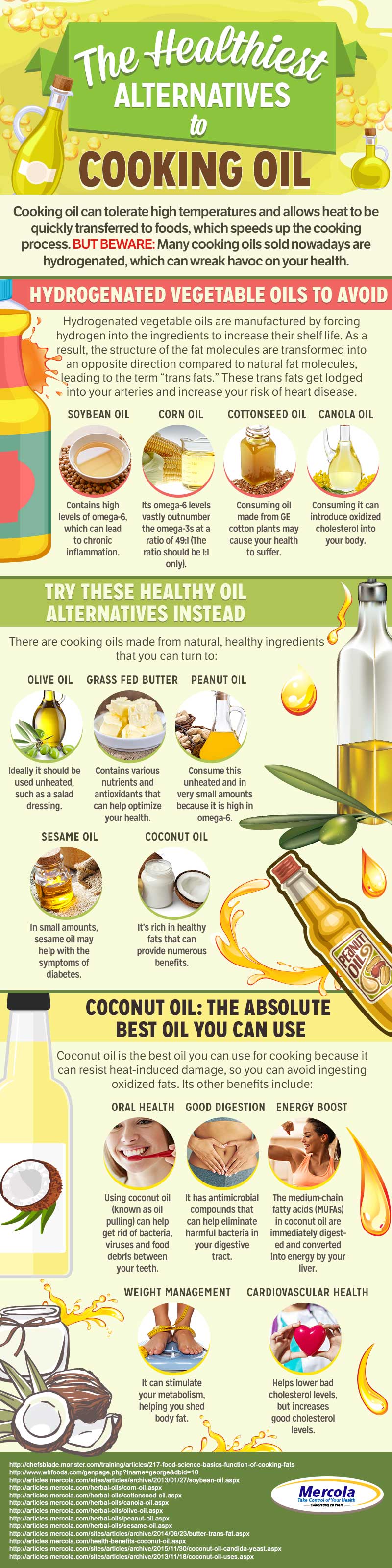

10. Culinary Oil Checklist
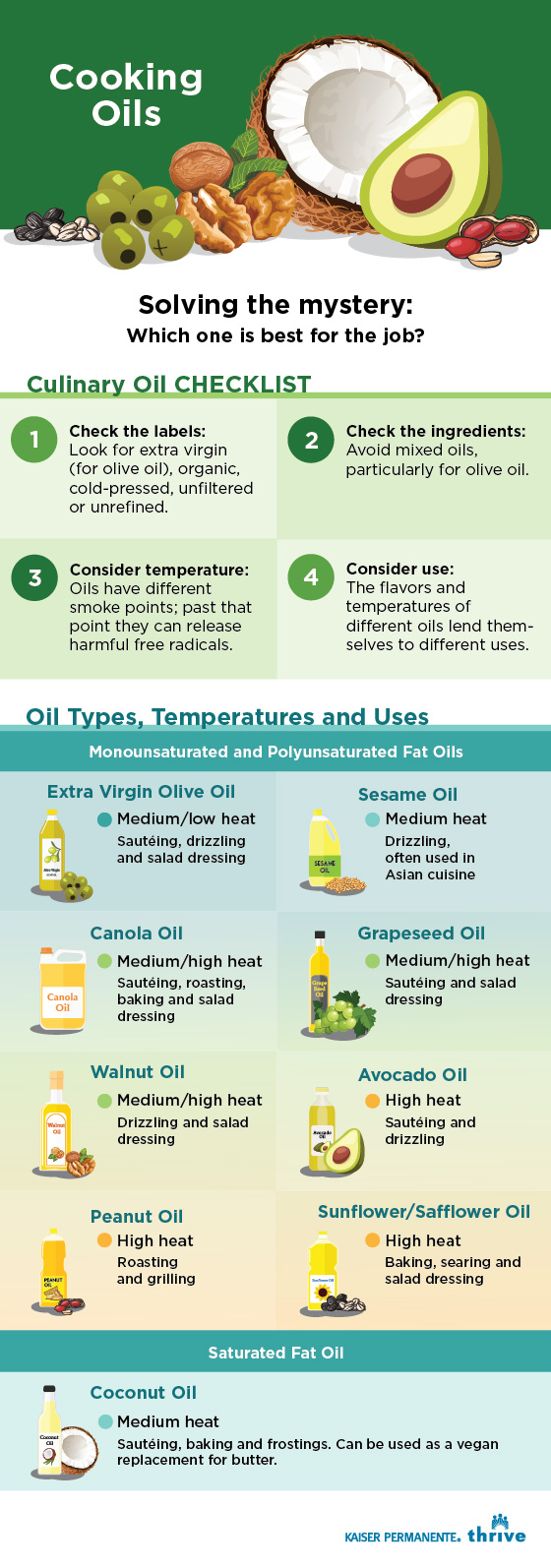

11. The Oil Dilemma How to Choose a Healthy Cooking Oil

12. How to Choose Healthy Cooking Oils
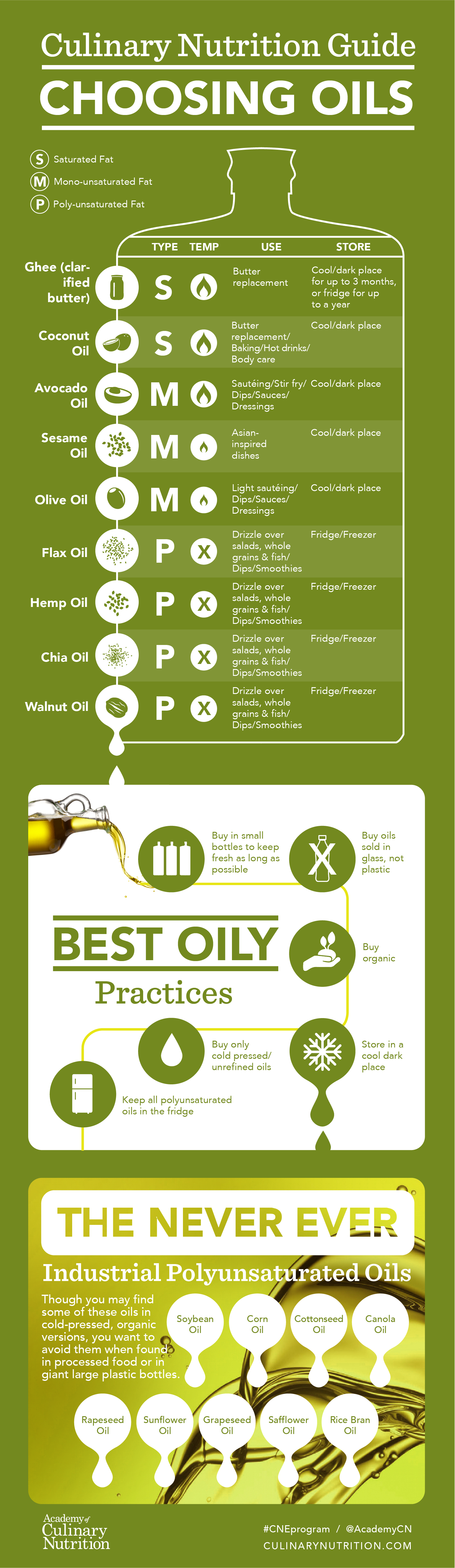

13. Top Heart-Healthy Oils & How to Use Them


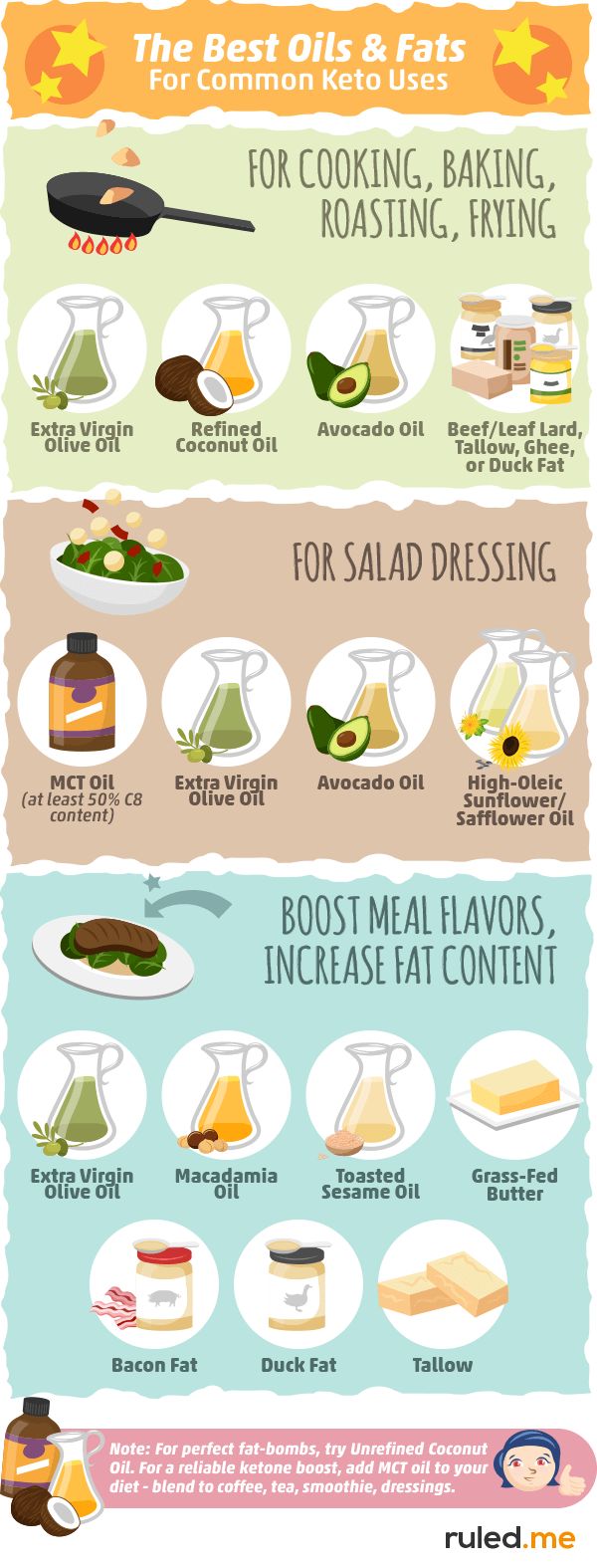
14. The Best Keto Oils for the Ketogenic Diet for Cooking, Frying, Dressing, etc.

15. Health Benefits of Coconut Oil


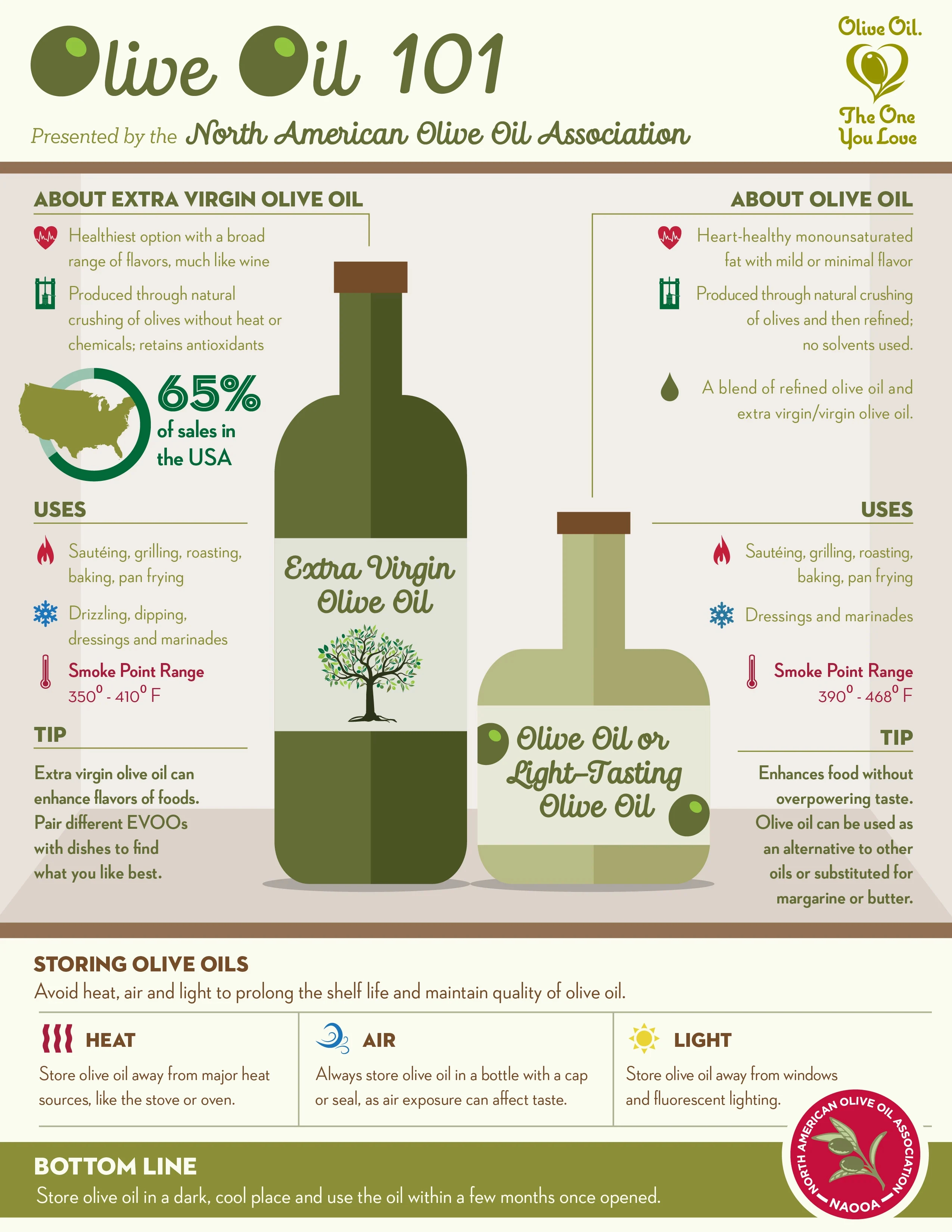
16. Olive Oil 101

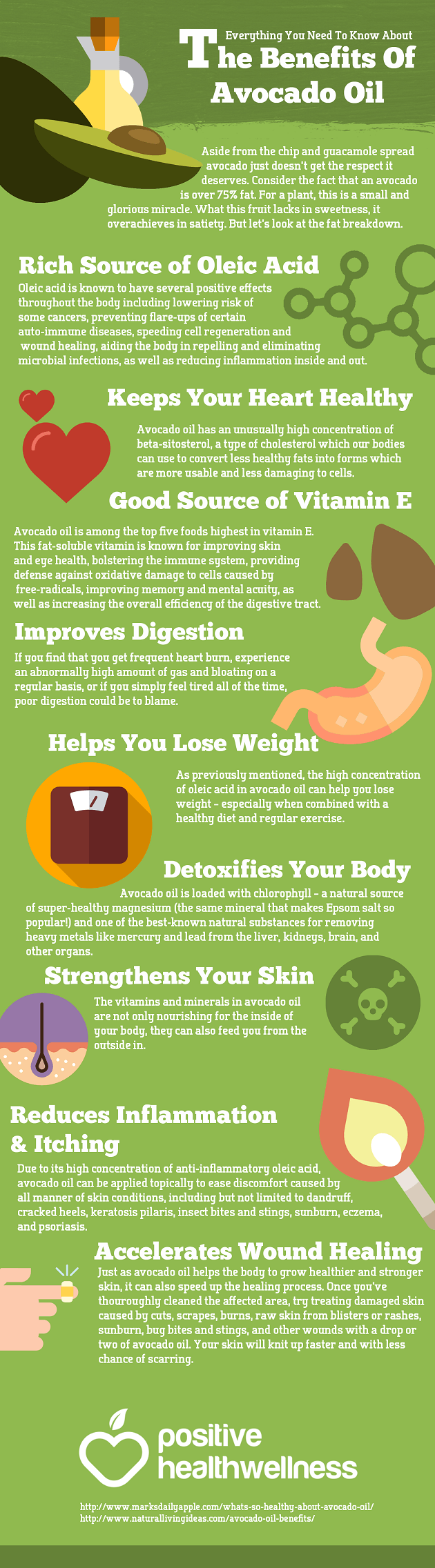
17. Everything You Need to Know About the Benefits of Avocado Oil

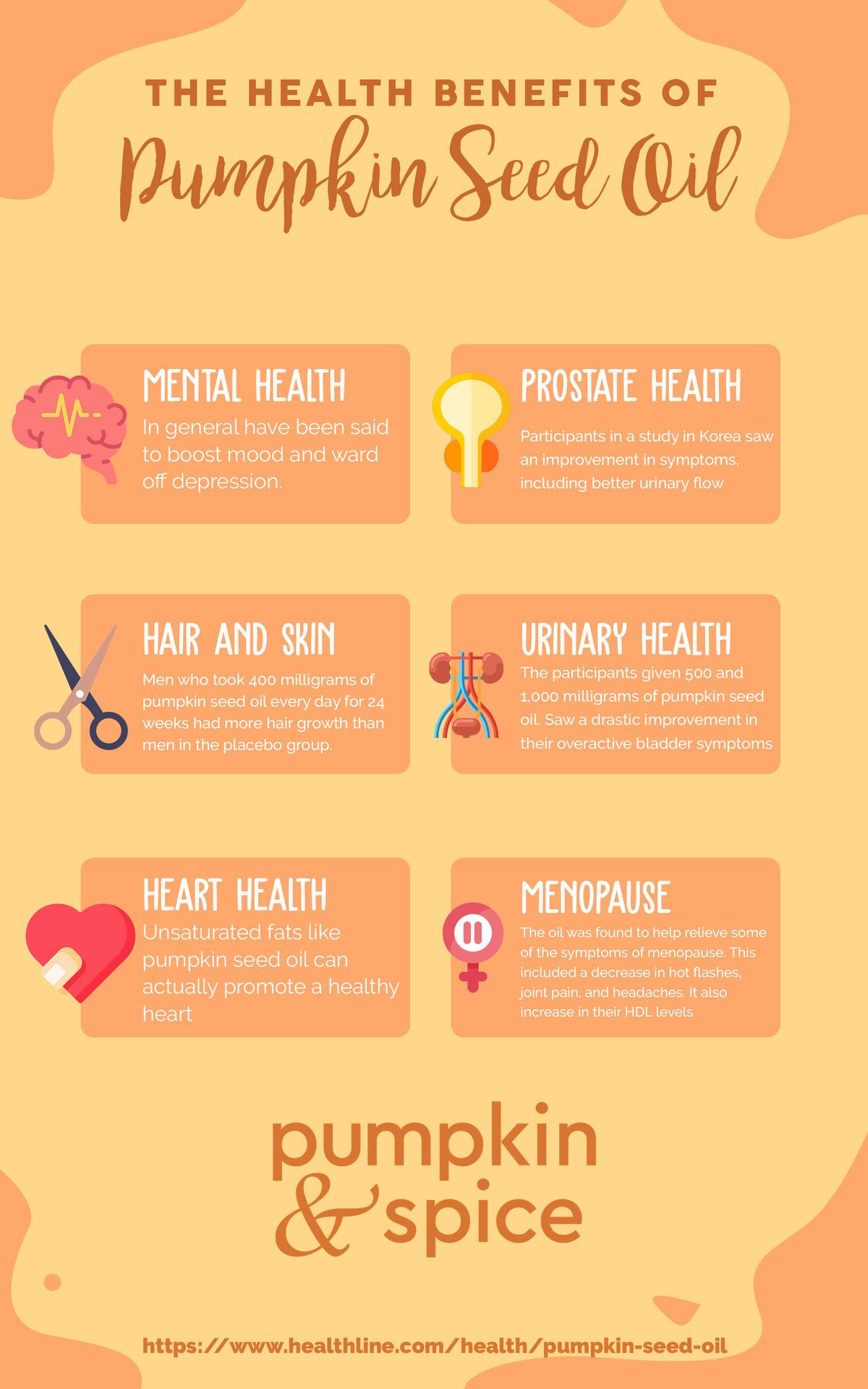
18. The Health Benefits of Pumpkin Seed Oil

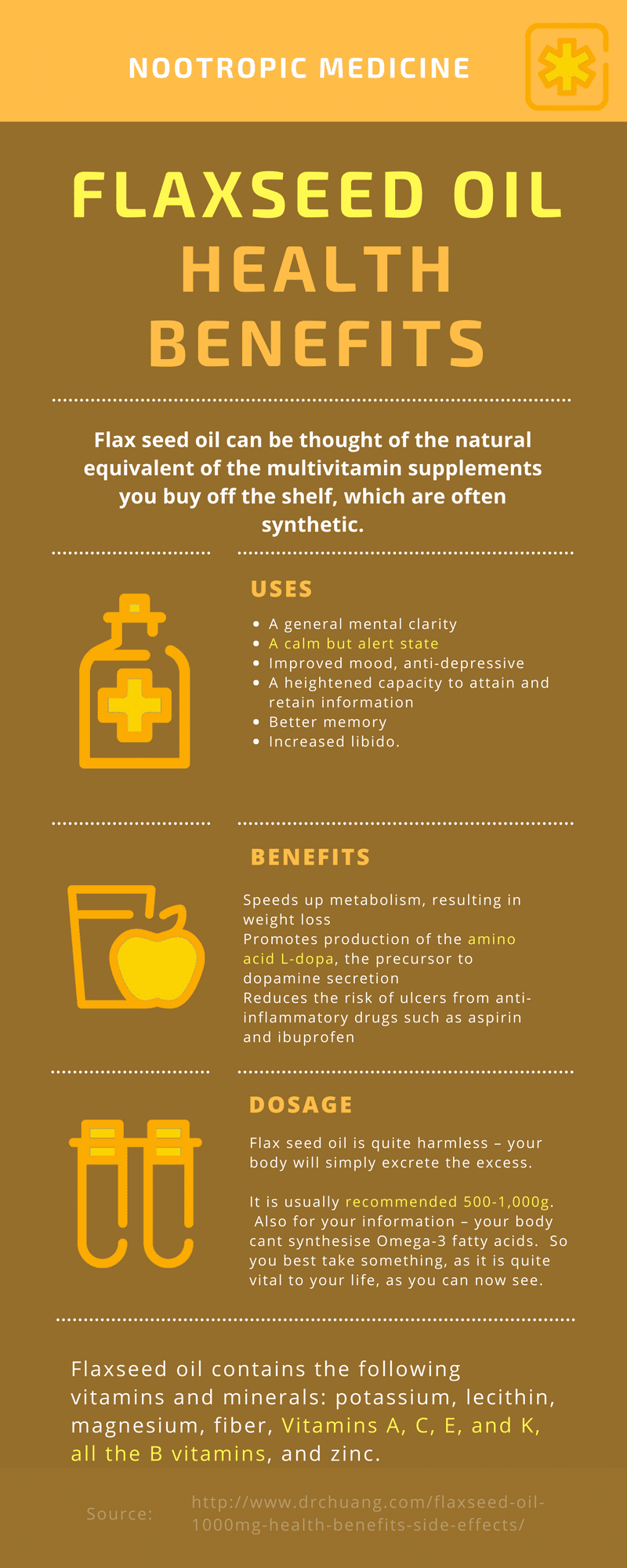
19. Flaxseed Oil Health Benefits

20. Nut, Seed & Flower Oils


21. Essential Oil Storage and Shelf Life Guide
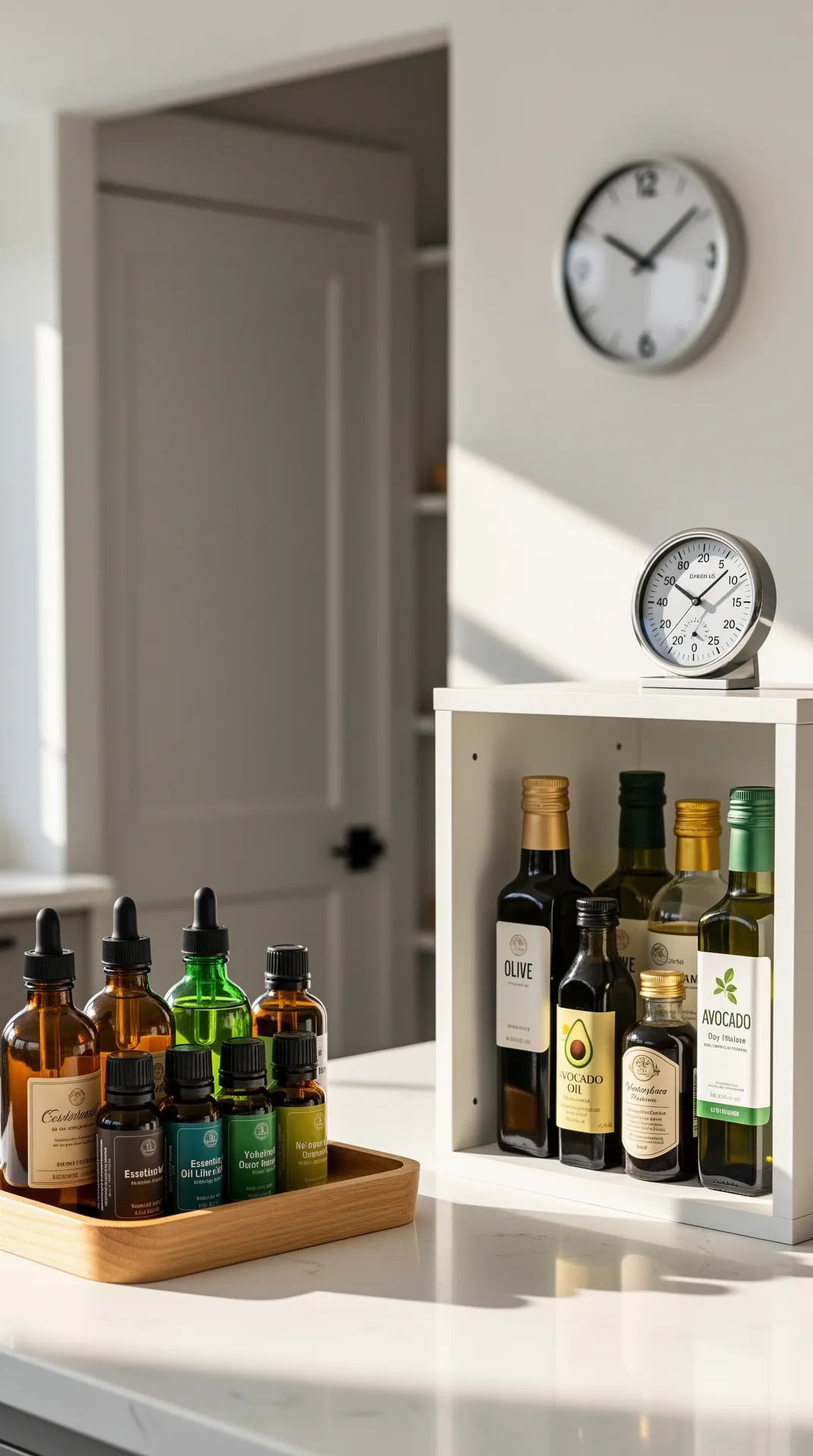

Proper storage is crucial for maintaining the quality and nutritional benefits of your cooking oils. Most oils should be stored in cool, dark places away from heat and light, which can cause rancidity and destroy beneficial compounds. While some oils like coconut oil can last up to two years when stored properly, others like flaxseed oil have much shorter shelf lives and may need refrigeration.
Understanding expiration dates and recognizing signs of spoilage can save you from using rancid oils that not only taste bad but can also be harmful to your health. Fresh oils should have a pleasant aroma and clear appearance, while spoiled oils often smell musty or have a bitter taste.

