

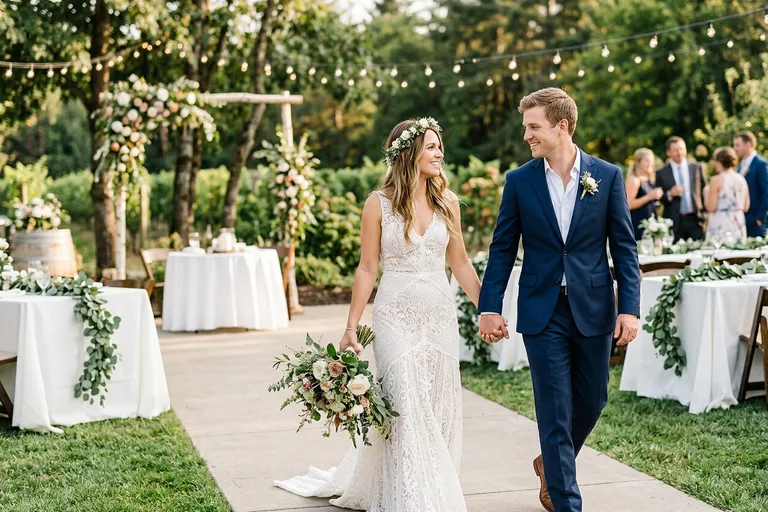

Planning a wedding can feel overwhelming, but with the right approach, it becomes an exciting journey rather than a stressful marathon. These eleven tips will help you navigate the process with confidence and actually enjoy creating your perfect day.
1. Set Your Budget First (And Stick to It)


Before you fall in love with that gorgeous venue or dream dress, figure out exactly how much you can spend. I’ve seen too many couples get their hearts set on something way beyond their means, then spend months trying to make impossible math work. Create a realistic budget that includes a 10% buffer for unexpected costs – trust me, there will be some. Once you have your number, write it down and refer back to it every single time you’re tempted to splurge.
2. Book Your Venue Early
Popular venues get snatched up fast, especially for Saturday weddings in peak season. Start looking at least 12-18 months ahead.
3. Create a Guest List Reality Check


Your guest list drives almost every other decision you’ll make, from venue size to catering costs to invitation quantities. Start with your absolute must-haves – the people you genuinely can’t imagine celebrating without. Then work outward from there, keeping your budget firmly in mind. Remember, every person you invite represents a significant cost per head, so be honest about who really needs to be there. It’s your day, not a family reunion.
4. Hire Your Photographer Before Anyone Else
Photos are the one thing you’ll have forever after the cake is eaten and the flowers have wilted. Great photographers book up quickly, so make this your second priority after the venue.
5. Don’t Feel Pressured to Include Every Tradition
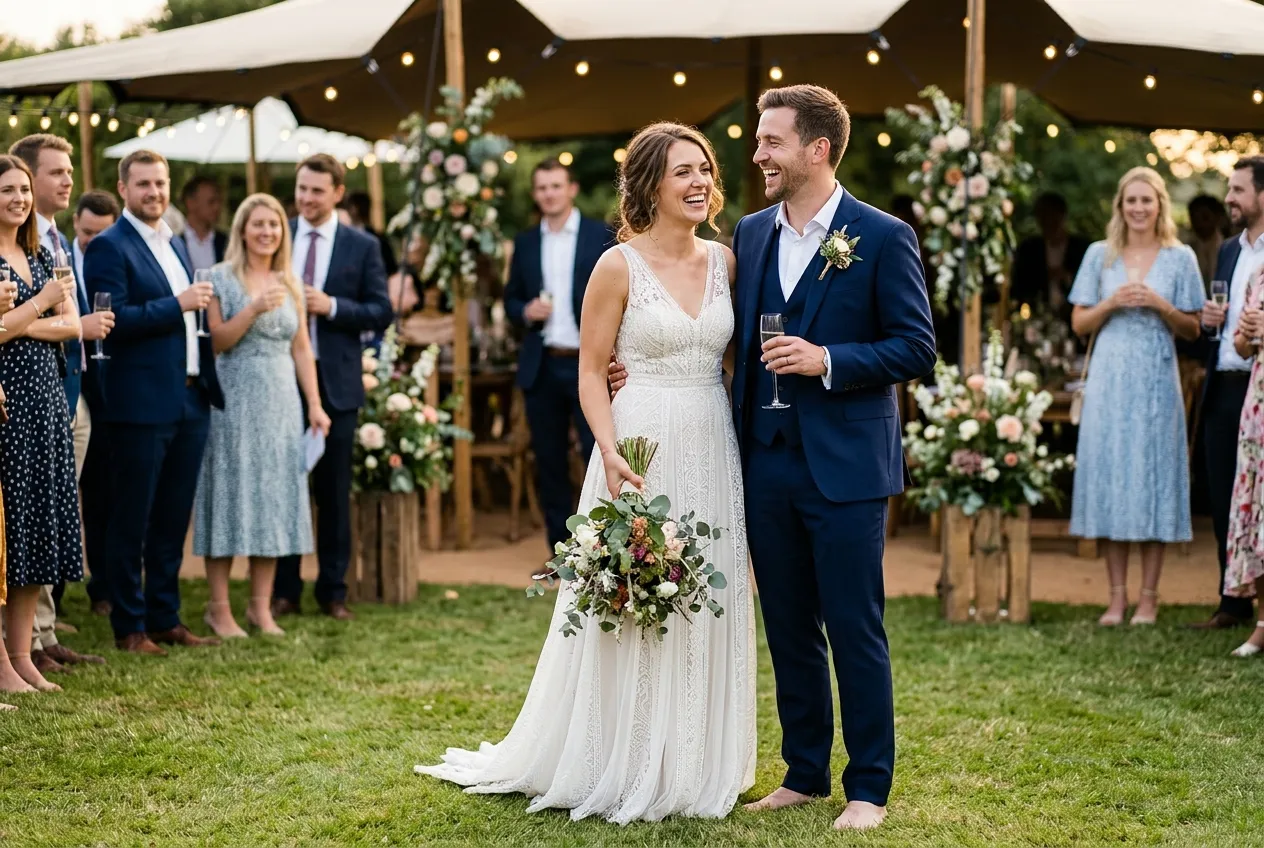

Just because your cousin had a bouquet toss doesn’t mean you need one. Skip the traditions that don’t feel authentic to you as a couple. Want to walk down the aisle together instead of having someone “give you away”? Do it. Prefer a first look over waiting until the ceremony? Perfect. Your wedding should reflect who you actually are, not what wedding magazines think you should want. I love when couples make their ceremony uniquely theirs.
6. Plan Your Timeline Backwards
Start with your ceremony time and work backwards to figure out when everything else needs to happen. This prevents the rushed, frantic feeling that ruins so many wedding mornings.
7. Invest in Comfort


You’ll be on your feet for hours, so comfortable shoes are non-negotiable – even if they’re hidden under your dress. Consider the weather, the venue’s flooring, and how much walking you’ll be doing. Break in your shoes well before the big day. Same goes for undergarments and anything else touching your skin for 12+ hours. Comfort directly impacts how much you’ll enjoy your celebration, so don’t sacrifice it for looks alone.
8. Delegate and Accept Help
You don’t have to handle every single detail personally. Let your wedding party and family help with tasks that don’t require your specific input.
9. Have a Plan B for Weather
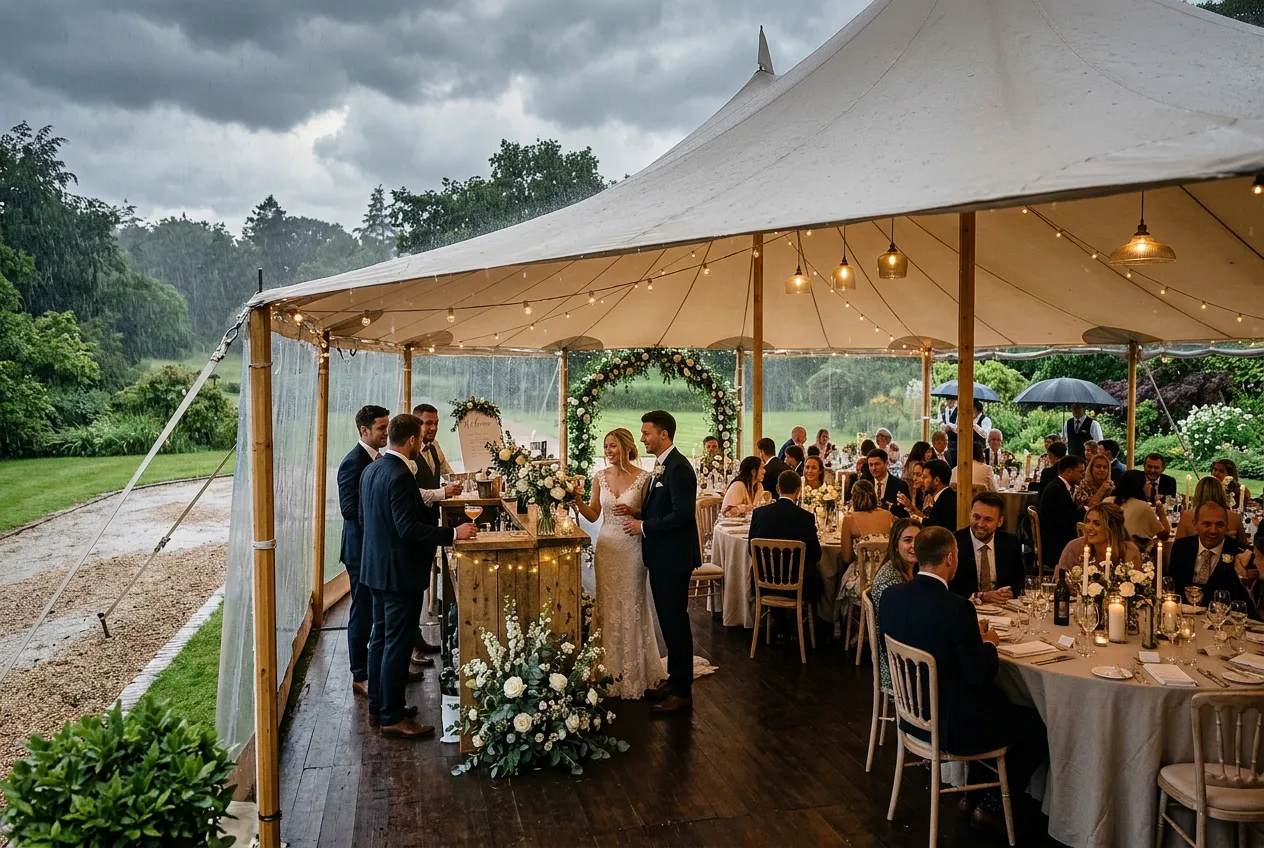

Even if you’re planning an indoor celebration, weather can affect transportation, guest comfort, and photo opportunities. For outdoor weddings, this is absolutely critical – and I mean a real backup plan, not just hoping for the best. Rent a tent, identify an indoor alternative, or choose a venue with both options available. Once you have a solid Plan B in place, you can stop worrying about the forecast and focus on enjoying your day regardless of what Mother Nature decides to do.
10. Feed Your Vendors
Your photographer, DJ, and other vendors will be working long hours to make your day perfect. A fed vendor is a happy vendor who’ll go the extra mile for you.
11. Remember What You’re Actually Celebrating
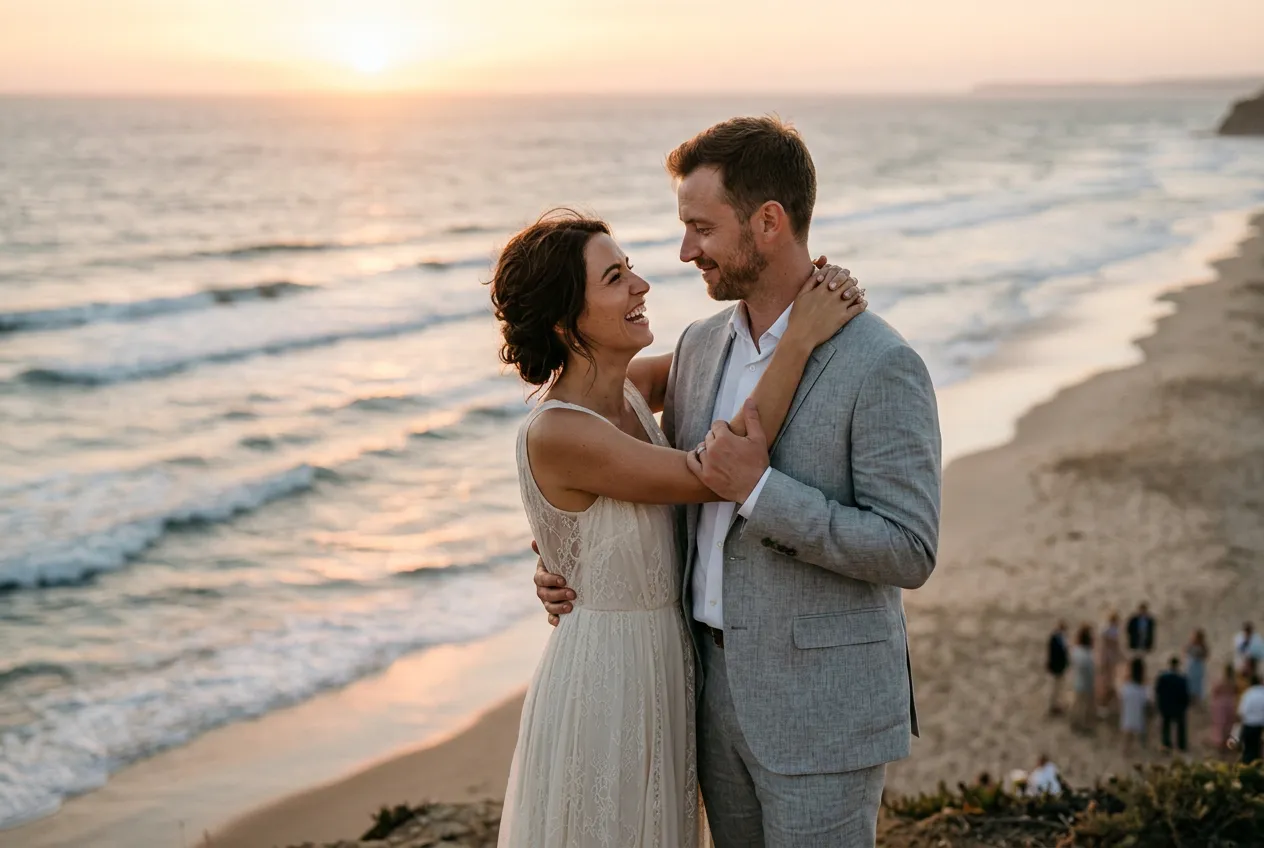

When you’re stressed about centerpieces or seating charts, step back and remember the real point of this whole event. You’re celebrating your love and commitment to each other, surrounded by the people who matter most to you. The flowers might wilt and the cake might get smashed, but you’ll still be married at the end of the day. That’s what actually matters, and it’s worth keeping that perspective when the planning gets overwhelming.

