

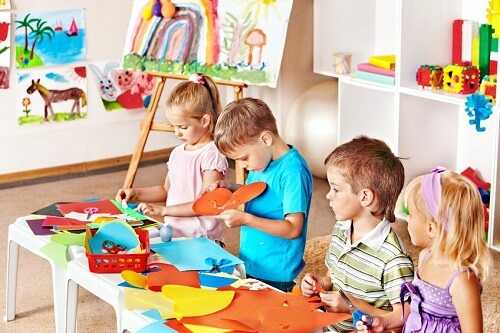

Your child may be the right age to start kindergarten. You may feel you have prepared the transportation logistics for him to start school. But that doesn’t mean he is ready to begin. There are some other readiness factors to consider.
1. Physical readiness
Many parents think their child will no longer need a nap upon starting school, but some youngsters still need some rest time in the afternoon. Full day kindergarten will obviously interfere with that schedule. Some districts offer half-day kindergarten instead, so if that is an option, be sure to get your child enrolled in the morning session if you decide to go ahead with the decision.
What many parents neglect to think of when considering physical readiness for school is their child’s stature. A small child might not have problems during kindergarten, but how will that child’s size compare to other children in his grade when they are in middle school? What if your child’s maturation rate is also behind the others? Starting kindergarten at this point might be setting the child up for physical, social and emotional issues as a teenager.
Another element of physical readiness is the state of the child’s fine motor skills. School requires a lot of writing, grasping pencils and crayons. Difficulty with these tasks makes school unpleasant and arduous. Even simple activities, like forming letters while learning to write, may become frustrating, starting a cycle of dislike for school. Leaving the child out of school for another year gives him time to strengthen the related muscles, especially if you encourage the use of rubber balls or clay to work them.
2. Social readiness
If you child has had contact with other children of various ages as a preschooler, he is probably well socialized and will not have a problem adjusting to the social aspects of school. Daycare, preschool or even a neighborhood with playmates may be enough. However, if some of these children have become close friends with your child and are slightly younger, you might want to wait a year to send your child to kindergarten. Letting him begin kindergarten along with good friends will make the transition easier.
3. Learning readiness
If you child already knows the basics such as reading, counting, and the alphabet, he is displaying learning readiness to start kindergarten. Staying out of school for an additional year may create a student who is bored with school not just in kindergarten but in later years, as well. Bored children often act up in class, silently rebel against learning by refusing to do homework or purposely failing exams, or perhaps feign illness.
On the other hand, a child who cannot grasp these basic concepts will fare better if kept out of kindergarten for another year. Parents tend to believe that kindergarten is the place for their children to learn these basics, but in today’s world, most students know them before beginning school. Waiting to enroll your child will lessen the chances that he will start out behind the other kids and also increase his ability to comprehend the concepts.
4. If in doubt, ask the experts
The school district has standards set in place because they have used years of experience to determine what background students need to be successful in school. They often have inventories and materials that can help evaluate a child’s readiness to begin kindergarten. Age should not be the determining factor when it comes to starting kindergarten. Parents should spend some time examining the other readiness factors before making their final decision. The decision will likely not only affect the child’s first year in school but his entire school experience.

