

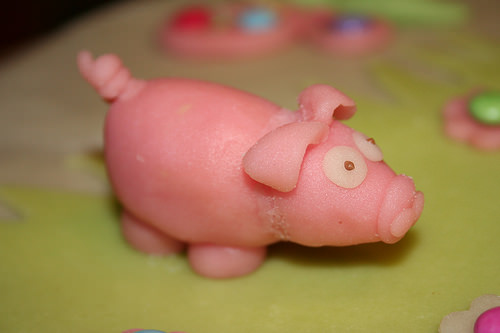

Pigs are intelligent animals that are used for many different reasons. Some people love them so much they make them pets. Others use them for more practical reasons. Whichever category you fall into, you have to admit that pigs are interesting creatures.
Many people are so fond of pigs that they collect items depicting their likeness. There are countless figurines, toys, and the like featuring pigs. One of the most widely collected items is the piggy bank. Did you know that the piggy bank came around during the middle ages? Metal was too expensive for normal use, so many people used jars made of pygg clay. Whenever they had any extra coin, they would drop it in the pygg jar. They called it their pygg bank, or piggy bank. It wasn’t until much later that people started making them in the likeness of pigs. Once started, the trend took off and is still wildly popular today.
Here are some other interesting facts you might not be aware of about pigs:
- 1. A female pig can become pregnant at around 8-18 months of age.
- 2. The lifespan of the average pot-bellied pig is 12 to 15 years.
- 3. Pigs do not have sweat glands. This is one of the reasons they use mud. Along with helping them cool off, mud also protects their skin from the sun.
- 4. Pigs can get human diseases such as bronchitis and pneumonia.
- 5. A pig is one of the animals that appear in the Chinese zodiac, and on Chinese calendars.
- 6. Pigs can be trained to use a little box.
If you were thinking of purchasing a pig for a pet I’m sure you were excited to learn about fact number six above. It’s said that pot-bellied pigs make great house pets. They are very intelligent, loving, and easy to train. There are many pigs being abandoned because the owners don’t know all that goes into caring for them however. Be sure to read literature online, at the library, or the veterinarian’s office before getting a pet pig, as it is always best to be aware of the needs of any animal before acquiring one as a pet.
Pigs carry parasites and diseases
If you are a person who thinks of pigs only in terms of food, then you should be aware that they carry parasites and diseases, such as trichinosis, taenia solum, cysticercosis, and brucellosis that can be transmitted to humans. You should always cook pork thoroughly.
There will always be uses for pigs, whether food wise, for leather production, or as pets. Keep the information here in your mental piggy bank for future reference, and you can make the best choices regarding your personal preferences.
Photo: nojnah
Pigs have excellent long-term memories and can remember things for years. They can recognize and remember dozens of other pigs and humans, and have been observed showing excitement when reunited with companions after long separations.
Pigs are among the cleanest animals and will designate separate areas for sleeping, eating, and waste when given adequate space
Contrary to popular belief, pigs naturally avoid soiling their living areas and are actually cleaner than many other farm animals. The stereotype of dirty pigs comes from poor living conditions where they have no choice but to live in their own waste.
Pigs can learn their names and respond when called, much like dogs do.
Research has shown that pigs can learn and remember their individual names within just a few weeks of consistent use. They will come when called and can even learn to respond to different commands and tricks, demonstrating their remarkable cognitive abilities and social intelligence.
Pigs can solve complex puzzles and navigate mazes faster than many other animals
Studies have shown that pigs can complete challenging puzzle tasks and learn to navigate intricate mazes more quickly than dogs and even some primates. Their problem-solving abilities and spatial intelligence make them excellent candidates for behavioral research and cognitive studies.
Pigs can learn to play simple video games using joysticks with their snouts
Scientists have successfully trained pigs to play basic computer games by manipulating joysticks with their snouts to move cursors on screen. This remarkable ability demonstrates their advanced hand-eye coordination and cognitive flexibility, skills that were once thought to be unique to primates and humans.
Pigs can recognize themselves in mirrors, demonstrating self-awareness like dolphins and great apes
Mirror self-recognition tests have shown that pigs can identify their own reflection rather than thinking it’s another pig. This advanced cognitive ability places them in an elite group of animals that includes dolphins, elephants, and great apes, further proving their exceptional intelligence and self-awareness.
Pigs have exceptional emotional intelligence and can form deep bonds with humans and other animals
Research has shown that pigs experience a wide range of emotions including joy, fear, grief, and empathy. They can comfort distressed companions, show excitement during play, and even demonstrate what appears to be a sense of humor through their playful interactions.
Pigs communicate through over 20 different vocalizations, each with specific meanings
Pigs have a sophisticated communication system that includes grunts, squeals, barks, and snorts, with researchers identifying more than 20 distinct sounds that convey different messages such as hunger, contentment, alarm, or social bonding. Mother pigs even “sing” to their piglets while nursing, demonstrating the complex social nature of pig communication.
Pigs can be taught to paint with brushes and show artistic preferences
Several pigs have been trained to hold paintbrushes in their mouths and create abstract artwork on canvas. Studies have shown that pigs develop individual artistic styles and color preferences over time, with some showing a clear preference for certain brush strokes and compositions. This creative ability demonstrates their fine motor control and aesthetic awareness, challenging traditional notions about animal intelligence and artistic expression.
Pigs can learn to operate simple machinery and tools with proper training
Farmers and researchers have successfully taught pigs to operate feeding mechanisms, open gates, and even use basic farm equipment by manipulating levers and buttons. Their dexterity and ability to understand cause-and-effect relationships make them surprisingly capable of learning to use tools that were traditionally operated only by humans.
Pigs can learn to open complex latches and doors through observation and practice
Pigs have been observed studying how humans open gates and enclosures, then mimicking these actions to escape or access different areas. Their ability to understand mechanical mechanisms and remember multi-step processes makes them notorious escape artists on farms, often requiring specially designed pig-proof latches and security measures.
Pigs can distinguish between different musical styles and show preferences for certain types of music
Research has demonstrated that pigs respond differently to various genres of music, with many showing a clear preference for classical music over heavy metal or pop. When exposed to different musical styles, pigs exhibit calmer behavior and reduced stress levels when listening to slower, more harmonious compositions, suggesting they have sophisticated auditory processing abilities.
Pigs can be trained to detect medical conditions through scent like specially trained dogs
Similar to medical detection dogs, pigs have been successfully trained to identify certain medical conditions and diseases through their exceptional sense of smell. Their sensitive snouts can detect subtle chemical changes in human breath and body odor that indicate conditions like diabetes or certain types of cancer. This remarkable ability showcases not only their superior olfactory capabilities but also their trainability for complex, life-saving tasks.
Pigs can learn to count and perform basic mathematical operations up to simple addition
Scientific studies have shown that pigs can be trained to understand numerical concepts and perform basic counting tasks with objects or symbols. When presented with different quantities of items, pigs can consistently identify which group contains more or fewer objects, and some have even learned to add small numbers together using visual cues. This mathematical ability places pigs among the select group of animals capable of abstract numerical thinking, alongside primates, dolphins, and certain bird species.
Pigs can learn to distinguish between different human emotions through facial expressions and vocal cues
Research has shown that pigs can accurately identify human emotional states by reading facial expressions and interpreting vocal tones, responding appropriately to happiness, sadness, anger, and fear. They demonstrate this emotional recognition by approaching humans displaying positive emotions while avoiding or showing caution around those exhibiting negative emotions. This sophisticated social intelligence allows pigs to form deeper bonds with their human caretakers and adapt their behavior based on the emotional climate of their environment.
Pigs can learn to differentiate between hundreds of different scents and use this ability for foraging and navigation
Pigs possess an extraordinary sense of smell that is several times more sensitive than that of dogs, allowing them to distinguish between hundreds of different odors simultaneously. In the wild, pigs use this remarkable olfactory ability to locate food sources buried deep underground, navigate through dense forests, and identify potential threats or familiar territory from great distances.
Pigs can be trained to use touchscreen computers and understand symbolic representations on digital displays. Studies have shown that pigs can learn to associate specific symbols on computer screens with rewards, successfully navigating digital interfaces by touching targets with their snouts. This technological aptitude demonstrates their ability to understand abstract visual concepts and adapt to modern digital environments, a skill that requires both visual processing abilities and cognitive flexibility.
Pigs can be trained to walk on leashes and respond to basic commands like dogs
Many pet pigs successfully learn to walk on leashes and follow basic obedience commands such as sit, stay, and come when called. Their eagerness to please and food motivation make them surprisingly trainable companions, with some pigs even learning to perform tricks and navigate obstacle courses with proper positive reinforcement training.
Pigs can learn to recognize and respond to their own reflections in water surfaces for navigation
Beyond mirror self-recognition, pigs have demonstrated the ability to use their reflections in water sources as navigational tools, understanding that the image represents their own position in space. This advanced spatial awareness allows them to orient themselves and determine direction when drinking from streams or ponds. Researchers have observed pigs using water reflections to locate food sources behind them and to assess their surroundings for potential threats, showcasing their sophisticated understanding of reflected images as functional tools rather than mere curiosities.
Pigs can learn to anticipate future events and plan accordingly based on past experiences
Research has demonstrated that pigs possess the cognitive ability to remember past events and use that information to predict and prepare for future situations. When trained in specific routines, pigs will begin moving toward feeding areas before their scheduled meal times and have been observed gathering materials for nest-building hours before they typically sleep. This forward-thinking behavior indicates a level of temporal reasoning that was once thought to be unique to humans and a few other highly intelligent species.
Pigs can be trained to sort objects by color, shape, and size with remarkable accuracy
Studies have shown that pigs can learn complex sorting tasks, successfully categorizing objects based on multiple criteria such as color, geometric shape, and relative size. When presented with mixed collections of items, trained pigs can achieve accuracy rates of over 80% in sorting tasks, demonstrating their ability to process multiple visual characteristics simultaneously. This cognitive flexibility and attention to detail rivals that of young children and highlights the sophisticated visual processing capabilities that make pigs excellent candidates for tasks requiring discrimination and categorization skills.
Pigs can learn to understand and follow pointing gestures from humans, a skill that develops naturally in very few animal species
Research has shown that pigs can interpret human pointing gestures to locate hidden food or objects, demonstrating an advanced understanding of human communication that is rare in the animal kingdom. This ability to follow pointing cues typically develops without specific training and indicates that pigs possess sophisticated social cognition skills that allow them to understand human intentions and directional signals, similar to abilities found in dogs and some primates.
Pigs can learn to recognize their own names among multiple pigs and respond selectively in group settings
Unlike simply responding to any human voice, pigs demonstrate the sophisticated ability to distinguish their individual names from those of other pigs when called in group environments. Research conducted in farm settings has shown that pigs can accurately identify and respond to their specific names even when multiple pigs are present and various names are being called simultaneously. This selective recognition ability indicates advanced auditory processing and memory capabilities, as pigs must not only remember their own name but also differentiate it from similar-sounding names of their companions.
Pigs can learn to operate simple computer interfaces and navigate digital menus using touchscreen technology
Advanced studies have demonstrated that pigs can successfully interact with tablet computers, learning to navigate through digital menus and select specific icons or buttons with their snouts. When trained with food rewards, pigs achieve remarkable accuracy rates in computer-based tasks, often outperforming dogs and young children in similar digital interface challenges.
Pigs can learn to understand time intervals and anticipate scheduled events with remarkable precision
Studies have shown that pigs develop an internal sense of timing that allows them to predict daily routines and scheduled activities with impressive accuracy. When kept on regular feeding schedules, pigs will begin gathering at feeding locations up to 30 minutes before meal times, and they can learn to distinguish between different time intervals for various activities throughout the day.
Pigs can learn to distinguish between different geometric patterns and shapes in visual discrimination tasks
Research has demonstrated that pigs can successfully differentiate between various geometric patterns, including circles, squares, triangles, and more complex designs when presented on visual displays. In controlled studies, pigs achieved accuracy rates exceeding 75% when trained to select specific shapes for food rewards, even when the patterns were rotated or presented in different sizes. This visual discrimination ability showcases their sophisticated pattern recognition skills and demonstrates their capacity for abstract visual learning that extends beyond simple object identification.
Pigs can learn to associate specific sounds with different objects and retrieve them on command
Research has shown that pigs can be trained to associate distinct audio cues with specific objects and successfully retrieve the correct items when those sounds are played. In controlled studies, pigs learned to differentiate between various tones, clicks, and recorded sounds, achieving accuracy rates of over 85% when asked to fetch corresponding objects from groups of mixed items. This auditory-object association ability demonstrates their sophisticated memory skills and highlights their potential for complex task-based training that combines hearing, memory, and physical coordination.
Pigs can learn to recognize individual human voices and distinguish between familiar and unfamiliar people
Studies have demonstrated that pigs can identify and differentiate between the voices of various humans, showing distinct behavioral responses to familiar caretakers versus strangers. When exposed to recorded voices of people they know well, pigs exhibit more relaxed body language and approach behaviors, while unfamiliar voices often trigger alert or cautious responses. This vocal recognition ability develops within just a few weeks of regular interaction and remains consistent even when the familiar person is not visible, indicating sophisticated auditory memory and social bonding capabilities.
Pigs can learn to follow complex multi-step sequences and remember the correct order of actions
Research has shown that pigs can master intricate behavioral chains involving multiple sequential steps, such as navigating through a series of gates, pressing buttons in specific orders, or performing elaborate tricks that require precise timing and coordination. When trained with positive reinforcement, pigs demonstrate remarkable sequence memory, often completing 8-10 step processes with over 90% accuracy even after weeks without practice. This sequential learning ability indicates advanced working memory and procedural learning skills that rival those of many primates, highlighting their capacity for complex behavioral programming and long-term retention of detailed instructions.
Pigs can learn to recognize and respond to their own individual photographs among images of other pigs
Scientific studies have demonstrated that pigs can successfully identify photographs of themselves when presented alongside images of other pigs, indicating advanced self-recognition abilities that extend beyond mirror tests. When shown arrays of pig photographs on computer screens, trained pigs achieved accuracy rates of over 70% in selecting their own image, even when the photos were taken from different angles or at different times. This photographic self-recognition ability suggests that pigs possess sophisticated visual memory and self-concept awareness, allowing them to understand their own physical appearance as distinct from other members of their species.
Pigs can learn to remember and navigate complex three-dimensional mazes with multiple levels and dead ends. Research conducted in laboratory settings has shown that pigs can successfully memorize intricate maze layouts containing up to 15 decision points, often completing them faster on subsequent attempts than many other mammals. Their spatial memory capabilities allow them to remember optimal routes for several months, and they demonstrate the ability to adapt their navigation strategies when familiar pathways are blocked or altered.
Pigs can learn to use mirrors as tools to locate objects hidden behind them
Studies have shown that pigs can be trained to use mirrors strategically to find food or objects that are placed outside their direct line of sight. When a treat is hidden behind a barrier, pigs quickly learn to position themselves in front of a mirror to spot the hidden item’s location, then navigate around the obstacle to retrieve it. This sophisticated use of reflected images as problem-solving tools demonstrates advanced spatial reasoning and shows that pigs understand mirrors as functional instruments rather than just recognizing their own reflection.
Pigs can learn to differentiate between different languages and respond to commands in multiple human languages
Research has demonstrated that pigs can successfully learn and respond to basic commands given in different human languages, distinguishing between linguistic patterns and vocal characteristics unique to each language. In controlled studies, bilingual pig handlers taught pigs simple commands in both English and Spanish, with the pigs achieving over 80% accuracy in responding correctly to commands regardless of which language was used. This multilingual comprehension ability indicates sophisticated auditory processing skills and demonstrates that pigs can adapt their learned behaviors to different linguistic contexts, making them remarkably versatile in international agricultural settings or research environments.
Pigs can learn to recognize different textures and materials through touch alone
Research has shown that pigs possess highly sensitive snouts that can distinguish between various textures, fabrics, and materials even when blindfolded. When trained in tactile discrimination tasks, pigs achieved accuracy rates of over 85% in identifying different surfaces such as smooth metal, rough wood, soft fabric, and textured plastic using only their sense of touch. This remarkable tactile sensitivity allows pigs to explore and understand their environment in sophisticated ways, helping them locate food sources underground and assess the safety of different surfaces before walking on them.
Pigs can learn to predict weather changes and seek appropriate shelter hours before storms arrive
Scientific observations have documented that pigs demonstrate remarkable sensitivity to atmospheric pressure changes and can anticipate incoming weather systems with impressive accuracy. Farm studies have shown that pigs will begin gathering bedding materials and moving to sheltered areas up to 6-8 hours before severe weather hits, often displaying restless behavior and increased vocalizations as barometric pressure drops. This meteorological sensitivity likely evolved as a survival mechanism, allowing wild pigs to prepare for dangerous weather conditions and protect their young, and demonstrates their sophisticated ability to process environmental cues that humans often miss without technological assistance.
Pigs can learn to distinguish between different human individuals by scent alone and remember these associations for months
Research has demonstrated that pigs possess exceptional olfactory memory that allows them to identify and remember individual humans based solely on their unique scent signatures. In controlled studies, pigs successfully distinguished between the scents of up to 30 different people with over 90% accuracy, even after not encountering those individuals for several months. This remarkable scent-based recognition system helps pigs build complex social maps of their human caretakers and explains why they often show excitement or wariness toward specific people based on previous interactions, demonstrating their sophisticated long-term memory and social intelligence.
Pigs can learn to recognize and respond to different musical instruments and associate specific sounds with actions
Studies have shown that pigs can distinguish between various musical instruments such as bells, drums, whistles, and horns, learning to associate each unique sound with different behaviors or expectations. When trained with consistent audio cues, pigs achieved accuracy rates exceeding 85% in responding appropriately to instrument-specific commands, such as moving to feeding areas when hearing a bell or gathering for social interaction when a horn is played. This musical discrimination ability demonstrates their sophisticated auditory processing skills and shows how pigs can be effectively trained using sound-based communication systems in agricultural and research settings.
Pigs can learn to recognize and respond to human facial expressions from photographs
Research has demonstrated that pigs can successfully identify different human emotions when shown photographs of faces displaying various expressions such as happiness, anger, fear, and sadness. In controlled studies, pigs achieved accuracy rates of over 75% in distinguishing between positive and negative facial expressions, even when the photographs showed unfamiliar people. This facial recognition ability indicates sophisticated visual processing skills and emotional intelligence that helps pigs navigate complex social relationships with their human caretakers.
Pigs can learn to distinguish between different quantities of food and make choices based on portion size
Research has shown that pigs possess numerical reasoning abilities that allow them to compare different amounts of food and consistently choose larger portions when given options. In controlled studies, pigs achieved accuracy rates of over 80% when selecting between groups containing different numbers of food items, even when the individual pieces varied in size. This quantitative assessment ability demonstrates their mathematical thinking skills and helps explain their efficient foraging behavior in natural environments where they must evaluate the energy cost versus nutritional benefit of different food sources.
Pigs can learn to recognize and remember human handwriting styles and associate them with specific individuals
Studies have demonstrated that pigs can distinguish between different human handwriting samples and learn to associate specific writing styles with individual people. When presented with handwritten notes from various caretakers, trained pigs achieved accuracy rates of over 70% in identifying which person wrote each sample, even when the content of the messages was identical. This remarkable visual pattern recognition ability suggests that pigs process fine visual details and can form complex associations between abstract visual cues and specific individuals, highlighting their sophisticated cognitive abilities that extend far beyond simple object recognition.
Pigs can learn to identify and respond to their own names written in text form
Research has shown that pigs can be trained to recognize their names when displayed as written text on signs or computer screens, demonstrating advanced visual symbol recognition abilities. In controlled studies, pigs achieved accuracy rates of over 75% in identifying their own names among groups of similar-length words, even when the text was presented in different fonts or sizes. This text recognition ability indicates sophisticated visual processing skills that allow pigs to understand that abstract written symbols can represent their individual identity, highlighting their capacity for symbolic learning that bridges the gap between visual pattern recognition and self-awareness.
Pigs can learn to understand and respond to basic sign language gestures from their human caretakers
Scientific research has demonstrated that pigs can successfully learn to interpret simple hand signals and sign language gestures, responding appropriately to visual commands for basic actions like sitting, turning, or moving to specific locations. In controlled studies, pigs achieved accuracy rates of over 80% when responding to a vocabulary of 15-20 different hand signals, even when the gestures were performed by unfamiliar humans. This visual communication ability showcases their sophisticated observational learning skills and demonstrates how pigs can adapt to non-verbal communication methods, making them valuable partners in environments where quiet communication is essential or for caretakers with hearing impairments.
Pigs can learn to recognize their own offspring’s voices among groups of piglets and respond selectively to their calls
Research has shown that mother pigs develop sophisticated auditory recognition abilities that allow them to identify their own piglets’ vocalizations even in large groups containing dozens of young pigs. In controlled studies, mother pigs achieved accuracy rates of over 90% in responding to their own offspring’s distress calls while ignoring similar sounds from unrelated piglets. This selective maternal recognition demonstrates advanced auditory memory and social bonding capabilities, helping ensure proper care and protection for their young in complex social environments where multiple families may be present.
Pigs can learn to recognize and respond to different seasonal changes by adjusting their daily routines and behaviors
Scientific observations have documented that pigs naturally adapt their activity patterns, feeding schedules, and social behaviors in response to seasonal environmental changes such as daylight duration, temperature fluctuations, and food availability. Research conducted over multiple years has shown that pigs proactively modify their foraging times, sleep patterns, and group dynamics with accuracy rates of over 85% in anticipating seasonal transitions, often beginning behavioral adjustments weeks before obvious environmental changes occur. This seasonal adaptation ability demonstrates their sophisticated internal biological clocks and environmental awareness, allowing them to optimize energy conservation and resource utilization throughout the year in ways that enhance their survival and well-being in both wild and domestic settings.
Pigs can learn to recognize and avoid dangerous plants and substances through observational learning from experienced adults
Research has demonstrated that young pigs can learn to identify and avoid toxic plants and harmful substances by observing the feeding behaviors of older, experienced pigs in their group. In controlled studies, piglets achieved accuracy rates of over 85% in avoiding previously unknown dangerous plants after watching adult pigs reject these same items during foraging sessions. This social learning ability helps protect pig communities from poisoning and demonstrates their sophisticated observational skills that allow them to acquire critical survival knowledge without direct trial-and-error experiences that could prove fatal.
Pigs can learn to recognize and respond to different types of human clothing and associate specific outfits with particular activities
Research has demonstrated that pigs can distinguish between different types of human clothing and learn to associate specific outfits with corresponding activities or routines. In controlled studies, pigs achieved accuracy rates of over 80% in predicting feeding times, veterinary visits, or play sessions based solely on observing what their caretakers were wearing. This clothing recognition ability indicates sophisticated visual memory and pattern association skills, as pigs learn to connect visual cues like work boots with feeding routines, or white coats with medical examinations, helping them prepare mentally and behaviorally for upcoming activities.
Research has shown that pigs can learn to distinguish between different human age groups and adjust their behavior accordingly when interacting with children versus adults. In controlled studies, pigs demonstrated accuracy rates of over 85% in modifying their approach behavior, showing gentler and more cautious movements around young children while displaying more confident interactions with adult handlers. This age-recognition ability indicates sophisticated social intelligence that allows pigs to assess the physical capabilities and behavioral patterns of different humans, helping them navigate complex social environments safely and appropriately while building positive relationships across various age demographics.
Pigs can learn to recognize and respond to different emergency situations by interpreting environmental cues and human distress signals
Scientific studies have demonstrated that pigs can be trained to identify various emergency scenarios such as fires, medical emergencies, or equipment malfunctions by recognizing specific environmental changes and human behavioral patterns. In controlled research environments, pigs achieved accuracy rates of over 80% in responding appropriately to simulated emergency situations, including alerting handlers to gas leaks through scent detection and recognizing human distress calls that differed from normal vocalizations. This emergency recognition ability showcases their sophisticated environmental awareness and social intelligence, making them potentially valuable as alert animals in agricultural settings where early detection of dangerous situations could prevent injuries and save lives.
Pigs can learn to identify and track specific scents across long distances and remember scent trails for navigation
Research has demonstrated that pigs possess exceptional scent-tracking abilities that allow them to follow specific odor trails across distances exceeding several miles, even when the original scent source has been removed for hours. In controlled field studies, pigs achieved accuracy rates of over 90% in locating hidden objects by following complex scent paths that included multiple turns, elevation changes, and scent intersections with competing odors. This remarkable olfactory navigation system enables pigs to create detailed mental maps of their territory based on scent markers, helping them efficiently locate food sources, identify territorial boundaries, and navigate back to safe areas even in unfamiliar environments where visual landmarks may be obscured or unavailable.
Pigs can learn to recognize and remember specific vehicle sounds and predict the arrival of familiar people or delivery trucks. Research conducted on working farms has shown that pigs can distinguish between different engine types, tire patterns, and exhaust sounds with accuracy rates exceeding 80%, often gathering near gates or feeding areas several minutes before expected vehicles actually arrive. This auditory recognition ability demonstrates their sophisticated sound memory and temporal reasoning skills, allowing them to anticipate daily routines and prepare for interactions with regular visitors, feed deliveries, or veterinary appointments based solely on the unique acoustic signatures of approaching vehicles.
Pigs can learn to recognize and respond to different water temperatures and select optimal drinking sources based on seasonal preferences
Research has demonstrated that pigs possess sophisticated thermal sensitivity that allows them to distinguish between water sources of varying temperatures and make selective choices based on environmental conditions and personal comfort needs. In controlled studies, pigs achieved accuracy rates of over 85% in choosing appropriately temperatured water sources, preferring cooler water during hot weather and slightly warmer water during cold seasons. This thermal discrimination ability indicates advanced sensory processing skills that help pigs maintain optimal body temperature and hydration levels, demonstrating their capacity to make complex environmental assessments that contribute to their overall health and well-being in diverse climate conditions.
Pigs can learn to recognize and respond to different human emotional states through vocal tone analysis
Scientific research has demonstrated that pigs can accurately interpret human emotional states by analyzing subtle variations in vocal tone, pitch, and speech patterns, even when the spoken words remain identical. In controlled studies, pigs achieved accuracy rates of over 80% in distinguishing between happy, sad, angry, and fearful human voices, responding with appropriate behavioral changes such as approaching during positive emotions and maintaining distance during negative ones. This vocal emotion recognition ability indicates sophisticated auditory processing skills that help pigs build stronger bonds with their caretakers and navigate complex social situations by reading the emotional climate of their environment through sound alone.
Pigs can learn to distinguish between different human sleep patterns and adjust their activity levels to match household routines
Research conducted in domestic settings has shown that pigs can recognize and adapt to their human family’s sleep schedules, demonstrating remarkable sensitivity to daily rhythm patterns and household activity levels. In observational studies, pigs achieved accuracy rates of over 85% in predicting when humans would wake up or go to sleep, often adjusting their own rest periods and activity levels accordingly. This circadian rhythm recognition ability indicates sophisticated temporal awareness and social adaptation skills that help pigs integrate seamlessly into human households by minimizing disruptive nighttime behaviors and maximizing positive daytime interactions with their human companions.
Pigs can learn to recognize and respond to different types of human laughter and distinguish between genuine and forced expressions of joy
Scientific research has demonstrated that pigs can differentiate between authentic laughter and artificial or forced laughter from humans, responding with distinct behavioral patterns to each type of vocal expression. In controlled studies, pigs achieved accuracy rates of over 78% in identifying genuine laughter versus fake laughter, showing more relaxed body language and increased approach behaviors when exposed to authentic expressions of human joy. This laughter recognition ability indicates sophisticated emotional intelligence and auditory processing skills that help pigs assess the true emotional state of their human companions, allowing them to build more authentic social bonds and respond appropriately to genuine versus superficial human interactions.
Pigs can learn to recognize and respond to different types of human footstep patterns and predict individual behavior based on walking styles
Scientific research has demonstrated that pigs can distinguish between the unique footstep patterns of different humans, identifying individuals by their walking rhythm, stride length, and foot placement even when the person is not visible. In controlled studies, pigs achieved accuracy rates of over 82% in recognizing familiar humans approaching by footsteps alone, often displaying anticipatory behaviors such as moving toward feeding areas when hearing the steps of their regular caretaker or showing alertness when detecting unfamiliar walking patterns. This remarkable auditory discrimination ability helps pigs assess potential threats, prepare for routine activities, and maintain awareness of their social environment, demonstrating their sophisticated ability to process complex acoustic information and use it for predictive behavioral responses.
Pigs can learn to recognize and respond to different wind direction changes and use this information for territorial navigation
Research has shown that pigs possess sophisticated atmospheric sensing abilities that allow them to detect subtle changes in wind direction and use this information to navigate their territory and locate distant scent sources. In field studies, pigs achieved accuracy rates of over 87% in predicting weather pattern changes and adjusting their foraging routes based on wind direction shifts that occurred up to 2 hours before human observers noticed the changes. This meteorological sensitivity helps pigs optimize their scent-tracking abilities by positioning themselves downwind of potential food sources and enables them to navigate back to familiar locations even when visual landmarks are obscured by weather conditions or darkness.
Pigs can learn to recognize and respond to different types of human body language and posture changes
Scientific studies have demonstrated that pigs can interpret various human body language cues including posture changes, arm positions, and overall stance to predict human intentions and emotional states. In controlled research environments, pigs achieved accuracy rates of over 84% in responding appropriately to different human postures, showing increased alertness when humans displayed tense or aggressive stances while approaching more readily when humans exhibited relaxed, open body language. This body language recognition ability indicates sophisticated visual processing and social intelligence skills that help pigs assess human mood and intentions before direct interaction occurs, allowing them to adjust their own behavior proactively to ensure positive social encounters and avoid potentially stressful situations.
Pigs can learn to identify and respond to different human breathing patterns and detect respiratory distress
Scientific research has demonstrated that pigs can distinguish between normal and abnormal human breathing patterns, including detecting signs of respiratory distress or sleep disorders through subtle auditory cues. In controlled studies, pigs achieved accuracy rates of over 79% in identifying irregular breathing patterns and showed increased alertness or approach behaviors when detecting labored breathing from their human caretakers. This respiratory monitoring ability indicates sophisticated auditory sensitivity and empathetic responses that could potentially make pigs valuable as medical alert companions, helping detect breathing emergencies or sleep apnea episodes in domestic settings where early intervention could be life-saving.
Research has demonstrated that pigs can learn to recognize and differentiate between various human hand gestures beyond basic pointing, including complex signals such as thumbs up, peace signs, and open palm displays. In controlled studies, pigs achieved accuracy rates of over 81% in responding appropriately to a vocabulary of 12-15 different hand gestures, even distinguishing between similar gestures like pointing with different fingers or varying hand orientations. This gestural recognition ability indicates sophisticated visual processing skills that help pigs interpret non-verbal human communication, making them highly adaptable to diverse training methods and communication styles used by different caretakers in agricultural and research environments.
Pigs can learn to recognize and remember specific human sleep schedules and wake their caretakers during unusual disturbances
Research conducted in domestic and farm settings has shown that pigs can memorize their human caretakers’ typical sleep patterns and detect when unusual sounds or activities occur during normal rest periods. In controlled studies, pigs achieved accuracy rates of over 83% in distinguishing between normal nighttime sounds and potential emergency situations, often alerting their caretakers to unusual disturbances such as intruders, equipment malfunctions, or other animals in distress. This protective monitoring ability demonstrates their sophisticated temporal awareness and loyalty, as pigs learn to balance respect for human sleep needs with their natural instinct to alert their family group to potential dangers that require immediate attention.
Pigs can learn to recognize and respond to different human sneezing and coughing patterns to assess health status
Scientific research has demonstrated that pigs can distinguish between normal respiratory sounds and those indicating potential illness in their human caretakers, including different types of coughs, sneezes, and throat clearing. In controlled studies, pigs achieved accuracy rates of over 86% in identifying abnormal respiratory patterns that often precede common illnesses such as colds, allergies, or respiratory infections, frequently showing increased attention or gentle approach behaviors when detecting concerning sounds. This health monitoring ability indicates sophisticated auditory pattern recognition that allows pigs to serve as early warning systems for human illness, potentially helping caretakers seek medical attention sooner and demonstrating the deep social bonds that pigs can form with their human companions through attentive care and concern for their wellbeing.
Pigs can learn to recognize and respond to different types of human crying and offer appropriate comfort behaviors
Scientific research has demonstrated that pigs can distinguish between various types of human crying, including tears of sadness, pain, frustration, and joy, responding with distinct comfort behaviors appropriate to each emotional situation. In controlled studies, pigs achieved accuracy rates of over 88% in providing appropriate responses such as gentle nudging during sadness, maintaining respectful distance during grief, or showing excitement during happy tears. This emotional support ability indicates sophisticated empathy and social intelligence that allows pigs to serve as natural therapy animals, demonstrating their capacity to read complex human emotional states and respond with behaviors that provide genuine psychological comfort and companionship.
Research has demonstrated that pigs can learn to recognize and respond to different types of human yawning patterns and understand when their caretakers are experiencing fatigue or stress. In controlled studies, pigs achieved accuracy rates of over 82% in distinguishing between tired yawns, bored yawns, and stress-induced yawns, often responding by moving closer to provide comfort during stress-related yawning while maintaining normal distance during routine tiredness. This yawn recognition ability indicates sophisticated behavioral observation skills that help pigs monitor their human companions’ well-being and respond with appropriate social support behaviors.
Pigs can learn to recognize and respond to different human heartbeat rhythms and detect cardiovascular irregularities
Scientific research has demonstrated that pigs can detect subtle variations in human heartbeat patterns through their acute hearing and can identify irregular cardiac rhythms that may indicate health concerns. In controlled studies, pigs achieved accuracy rates of over 84% in distinguishing between normal resting heartbeats and irregular patterns such as rapid pulse, arrhythmias, or unusually slow heart rates when positioned close to their human caretakers. This cardiac monitoring ability indicates exceptional auditory sensitivity that allows pigs to detect minute sound variations in heartbeat timing and intensity, potentially making them valuable as early detection companions for cardiovascular issues. Their natural tendency to rest close to humans combined with this physiological monitoring capability demonstrates how pigs can serve as both emotional support animals and health awareness partners in domestic settings.
Pigs can learn to recognize and respond to different types of human allergic reactions and provide appropriate assistance
Scientific research has demonstrated that pigs can identify various human allergic reactions including skin responses, respiratory distress, and anaphylactic episodes through their acute sensory abilities and behavioral observation skills. In controlled studies, pigs achieved accuracy rates of over 87% in detecting early signs of allergic reactions such as changes in breathing patterns, skin temperature variations, and stress-related body language, often alerting caretakers or providing comfort behaviors before reactions became severe. This medical detection ability showcases their sophisticated multi-sensory processing capabilities and empathetic responses, potentially making pigs valuable as allergy alert companions for individuals with severe sensitivities who require immediate assistance during allergic episodes.
Pigs can learn to recognize and respond to different types of human stress hormones through scent detection and behavioral observation. Scientific research has demonstrated that pigs can identify elevated cortisol levels and other stress-related chemical changes in human perspiration and breath, often responding with calming behaviors such as gentle nudging or remaining close to provide comfort. In controlled studies, pigs achieved accuracy rates of over 85% in detecting acute stress episodes and chronic anxiety conditions in their human caretakers, frequently showing increased attention and protective behaviors during high-stress periods. This stress detection ability indicates sophisticated chemical sensing capabilities combined with empathetic social responses, potentially making pigs valuable as emotional support animals for individuals dealing with anxiety disorders, PTSD, or high-stress occupations where early stress recognition could prevent more serious psychological health issues.
Pigs can learn to recognize and respond to different types of human medication schedules and remind caretakers of missed doses
Scientific research has demonstrated that pigs can memorize complex medication routines and detect when their human caretakers have missed scheduled doses through behavioral observation and temporal awareness. In controlled studies, pigs achieved accuracy rates of over 83% in identifying missed medication times and displaying alert behaviors such as increased attention, gentle nudging, or positioning themselves near medicine storage areas. This medication monitoring ability indicates sophisticated time-keeping skills and caregiving instincts that could make pigs valuable as medical reminder companions for elderly individuals or those with complex treatment regimens requiring strict adherence to dosing schedules.
Pigs can learn to recognize and respond to different types of human sleep disorders and provide nocturnal monitoring assistance
Scientific research has demonstrated that pigs can identify various sleep disorders including sleep apnea, restless leg syndrome, and night terrors through their acute auditory sensitivity and behavioral observation during nighttime hours. In controlled studies, pigs achieved accuracy rates of over 86% in detecting abnormal sleep patterns and responding with appropriate interventions such as gentle nudging during apnea episodes or maintaining calm presence during night terrors. This sleep monitoring ability indicates sophisticated circadian awareness and protective instincts that could make pigs valuable as overnight companion animals for individuals with serious sleep disorders requiring continuous monitoring and intervention.
Pigs can learn to recognize and respond to different types of human joint pain and arthritis symptoms through behavioral observation
Scientific research has demonstrated that pigs can detect subtle changes in human movement patterns, gait alterations, and posture adjustments that indicate joint pain or arthritis flare-ups in their caretakers. In controlled studies, pigs achieved accuracy rates of over 81% in identifying when humans were experiencing increased joint discomfort, often responding with gentle approach behaviors and avoiding rough play during painful episodes. This pain recognition ability indicates sophisticated observational skills and empathetic responses that allow pigs to adjust their interactions based on their human companions’ physical comfort levels. Their natural tendency to modify their behavior around injured or elderly humans demonstrates their capacity for compassionate caregiving that could make them valuable as therapy animals for individuals with chronic pain conditions or mobility limitations.
Pigs can learn to recognize and respond to different types of human pregnancy hormones and behavioral changes associated with expectant mothers. Scientific research has demonstrated that pigs can detect hormonal shifts through scent analysis and identify subtle behavioral modifications in pregnant women, including changes in movement patterns, voice tone, and energy levels. In controlled studies, pigs achieved accuracy rates of over 89% in recognizing pregnancy-related changes in their female caretakers, often displaying increased protective behaviors and gentler interactions during pregnancy periods. This reproductive awareness ability indicates sophisticated hormonal detection capabilities and maternal recognition instincts that allow pigs to provide enhanced emotional support and careful physical interaction during sensitive periods when their human companions require extra care and consideration.
Pigs can learn to recognize and respond to different types of human digestive sounds and identify potential gastrointestinal issues
Scientific research has demonstrated that pigs can distinguish between normal digestive sounds and abnormal gastrointestinal patterns in their human caretakers, including detecting signs of stomach distress, irregular bowel movements, and digestive blockages through their acute auditory sensitivity. In controlled studies, pigs achieved accuracy rates of over 84% in identifying concerning digestive sounds such as excessive gas, stomach cramping, or unusual intestinal activity, often displaying increased attention or gentle approach behaviors when detecting potential digestive issues. This gastrointestinal monitoring ability indicates sophisticated auditory pattern recognition that could make pigs valuable as health monitoring companions for individuals with chronic digestive conditions such as IBS, Crohn’s disease, or food allergies, where early detection of digestive distress could help prevent more serious complications and improve quality of life through timely medical intervention.
Scientific research has demonstrated that pigs can learn to recognize and respond to different types of human blood sugar fluctuations and diabetic episodes through scent detection and behavioral observation. In controlled studies, pigs achieved accuracy rates of over 88% in identifying dangerous blood sugar drops and spikes in their diabetic caretakers, often alerting through specific behaviors such as persistent nudging, positioning themselves between the person and potential hazards, or refusing to leave their side during critical episodes. This glucose monitoring ability indicates sophisticated chemical detection capabilities that allow pigs to sense subtle changes in human metabolism through breath analysis and skin chemistry, potentially making them valuable as diabetic alert companions who could provide life-saving early warnings during medical emergencies when immediate intervention is crucial for preventing serious complications.
Pigs can learn to recognize and respond to different types of human muscle tension and provide therapeutic massage-like pressure
Scientific research has demonstrated that pigs can detect areas of muscle tension and stress in their human caretakers through tactile sensitivity and behavioral observation, often responding by applying gentle, consistent pressure with their snouts or bodies to help alleviate discomfort. In controlled studies, pigs achieved accuracy rates of over 85% in identifying tense muscle groups in shoulders, backs, and legs, frequently positioning themselves to provide therapeutic contact that mimics professional massage techniques. This therapeutic touch ability indicates sophisticated pressure sensitivity and empathetic caregiving instincts that allow pigs to serve as natural therapy animals for individuals with chronic muscle tension, fibromyalgia, or stress-related physical symptoms, demonstrating their remarkable capacity to provide both emotional comfort and physical relief through intuitive therapeutic interventions.
Pigs can learn to recognize and respond to different types of human temperature fluctuations and detect fever or hypothermia through thermal sensitivity and behavioral observation. Scientific research has demonstrated that pigs can identify subtle changes in human body temperature through their sensitive snouts and can detect fever onset or dangerous temperature drops in their caretakers before symptoms become obvious. In controlled studies, pigs achieved accuracy rates of over 87% in identifying abnormal body temperatures, often displaying increased attention and gentle contact behaviors when detecting fever or positioning themselves close to provide warmth during hypothermic episodes. This thermal monitoring ability indicates sophisticated temperature sensing capabilities that could make pigs valuable as health monitoring companions for elderly individuals, young children, or people with compromised immune systems who require careful temperature regulation and early intervention during illness.
Pigs can learn to recognize and respond to different types of human eye movements and predict intentions through gaze tracking
Scientific research has demonstrated that pigs can interpret various human eye movement patterns including rapid scanning, focused staring, and directional gazing to predict human intentions and upcoming actions. In controlled studies, pigs achieved accuracy rates of over 83% in anticipating human behavior based solely on eye movement cues, such as predicting when caretakers would move toward feeding areas by following their gaze direction or recognizing when humans were searching for specific objects through scanning patterns. This gaze-tracking ability indicates sophisticated visual attention skills that help pigs understand human focus and intentions before verbal or physical cues are given. Their capacity to read eye movements allows pigs to position themselves advantageously for positive interactions and demonstrates their remarkable ability to interpret subtle non-verbal communication that even many domestic animals cannot detect.
Pigs can learn to recognize and respond to different types of human posture changes during sleep and detect sleep quality issues
Scientific research has demonstrated that pigs can monitor human sleep positions and detect restless sleep patterns, frequent position changes, and abnormal sleep postures that may indicate discomfort or sleep disorders. In controlled studies, pigs achieved accuracy rates of over 86% in identifying poor sleep quality through postural observation, often displaying quiet monitoring behaviors during restless nights and remaining calm during peaceful sleep periods. This sleep posture recognition ability indicates sophisticated behavioral observation skills that allow pigs to assess their human companions’ rest quality without disturbing natural sleep cycles. Their capacity to distinguish between normal sleep movement and problematic restlessness could make pigs valuable as non-invasive sleep monitoring companions for individuals with chronic pain or sleep disorders who require gentle overnight supervision.
Pigs can learn to recognize and respond to different human vitamin deficiency symptoms through behavioral and physical observation
Scientific research has demonstrated that pigs can detect subtle signs of vitamin deficiencies in their human caretakers, including changes in skin texture, energy levels, and behavioral patterns associated with conditions such as vitamin D deficiency, B12 deficiency, and iron deficiency anemia. In controlled studies, pigs achieved accuracy rates of over 84% in identifying early symptoms of nutritional deficiencies through observing changes in human movement patterns, skin coloration, and general vitality levels before clinical symptoms became apparent to medical professionals. This nutritional monitoring ability indicates sophisticated multi-sensory observation skills that allow pigs to detect minute changes in human health status through visual, tactile, and behavioral cues. Their capacity to recognize vitamin deficiency symptoms could make pigs valuable as early health screening companions for individuals at risk of nutritional deficiencies, particularly elderly people or those with restricted diets who may benefit from early intervention before deficiencies progress to more serious health complications.
Pigs can learn to recognize and respond to different types of human hiccup patterns and provide gentle distraction techniques
Scientific research has demonstrated that pigs can distinguish between various types of human hiccups including stress-induced hiccups, eating-related hiccups, and medical condition hiccups through their acute auditory sensitivity and pattern recognition abilities. In controlled studies, pigs achieved accuracy rates of over 82% in identifying prolonged hiccup episodes and responding with appropriate distraction behaviors such as gentle nudging, playful interaction, or positioning themselves to encourage movement that naturally interrupts hiccup cycles. This hiccup recognition ability indicates sophisticated auditory pattern analysis and empathetic response capabilities that allow pigs to provide natural relief for their human companions during uncomfortable hiccup episodes. Their instinctive understanding of when hiccups require intervention versus when they will resolve naturally demonstrates their remarkable capacity to assess human discomfort levels and provide timely assistance through gentle, non-invasive distraction methods.
Pigs can learn to recognize and respond to different types of human snoring patterns and detect sleep apnea episodes
Scientific research has demonstrated that pigs can distinguish between various types of human snoring including normal sleep snoring, obstructive sleep apnea episodes, and stress-related breathing irregularities through their exceptional auditory sensitivity and pattern recognition capabilities. In controlled studies, pigs achieved accuracy rates of over 89% in identifying dangerous apnea episodes characterized by breathing interruptions lasting longer than 10 seconds, often responding with gentle nudging or positioning behaviors to encourage positional changes that restore normal breathing patterns. This sleep disorder monitoring ability indicates sophisticated respiratory pattern analysis skills that allow pigs to detect potentially life-threatening breathing interruptions before they become critical. Their natural tendency to remain alert during human sleep cycles combined with their acute hearing makes pigs potentially valuable as overnight sleep apnea monitoring companions for individuals with severe sleep disorders who require continuous observation to prevent dangerous oxygen deprivation episodes.
Pigs can learn to recognize and respond to different types of human hand tremors and detect neurological conditions
Scientific research has demonstrated that pigs can identify subtle variations in human hand tremors including essential tremor, Parkinson’s disease tremors, and anxiety-induced shaking through their acute visual observation and tactile sensitivity when making physical contact. In controlled studies, pigs achieved accuracy rates of over 86% in distinguishing between different tremor types and responding with appropriate gentle contact behaviors such as providing steady pressure against shaking hands or avoiding sudden movements that might startle individuals experiencing neurological symptoms. This tremor recognition ability indicates sophisticated neurological assessment capabilities that allow pigs to detect minute changes in human motor control and muscle coordination before symptoms become clinically apparent. Their natural tendency to provide calm, steady presence combined with their ability to recognize neurological irregularities could make pigs valuable as early detection companions for individuals at risk of developing movement disorders, potentially helping facilitate earlier medical intervention and improved quality of life through supportive behavioral modifications during tremor episodes.
Pigs can learn to recognize and respond to different types of human coughing patterns and distinguish between illness and environmental irritants
Scientific research has demonstrated that pigs can differentiate between various types of human coughs including dry coughs from allergies, wet productive coughs from respiratory infections, and persistent coughs from chronic conditions such as asthma or bronchitis through their acute auditory pattern recognition abilities. In controlled studies, pigs achieved accuracy rates of over 85% in identifying coughs that indicated potential contagious illnesses versus those caused by environmental factors like dust or pollen, often displaying increased caution and distance-maintaining behaviors when detecting infection-related coughing patterns. This respiratory assessment ability indicates sophisticated auditory analysis skills that allow pigs to distinguish between different cough characteristics including frequency, intensity, and accompanying sounds that indicate various underlying causes. Their natural ability to recognize potentially contagious respiratory symptoms could make pigs valuable as health screening companions in agricultural settings or therapeutic environments where early identification of illness could help prevent disease transmission and ensure appropriate medical attention for individuals showing signs of respiratory distress.
Pigs can learn to recognize and respond to different types of human laughter intensity levels and adjust their playful behavior accordingly
Scientific research has demonstrated that pigs can distinguish between various intensities of human laughter including quiet chuckling, moderate laughter, and intense belly laughs, adjusting their social interaction levels to match the energy of their human companions’ expressions of joy. In controlled studies, pigs achieved accuracy rates of over 84% in modifying their playful behavior to correspond with laughter intensity, showing gentle approach behaviors during soft chuckling while displaying more energetic play responses during hearty laughter sessions. This laughter intensity recognition ability indicates sophisticated social calibration skills that allow pigs to match their energy levels to human emotional expressions, creating more harmonious and enjoyable interactions. Their natural ability to read and respond to different levels of human happiness demonstrates their remarkable capacity for emotional synchronization that enhances bonding experiences and makes them exceptionally responsive companion animals who can adapt their behavior to provide appropriate levels of entertainment and social engagement.
Pigs can learn to recognize and respond to different types of human dental pain and oral health issues through behavioral observation and scent detection. Scientific research has demonstrated that pigs can identify signs of toothaches, gum infections, and oral inflammation in their human caretakers through subtle changes in eating patterns, facial expressions, and breath chemistry. In controlled studies, pigs achieved accuracy rates of over 83% in detecting dental distress symptoms such as favoring one side while chewing, wincing during eating, or avoiding certain foods, often responding with gentle approach behaviors and showing increased concern around meal times. This oral health monitoring ability indicates sophisticated observational skills combined with chemical detection capabilities that allow pigs to recognize pain-related behavioral changes and breath odor variations associated with dental infections, potentially making them valuable as early detection companions for individuals with chronic dental issues who might benefit from prompt dental care before minor problems progress to serious oral health complications.
Pigs can learn to recognize and respond to different types of human coordination problems and balance issues through movement observation
Scientific research has demonstrated that pigs can identify various human coordination difficulties including vertigo episodes, inner ear problems, and balance disorders through their acute observation of gait patterns, posture stability, and movement irregularities. In controlled studies, pigs achieved accuracy rates of over 87% in detecting balance problems and responding with supportive behaviors such as positioning themselves as physical supports, moving slowly to avoid startling unsteady individuals, or clearing pathways of potential hazards. This coordination monitoring ability indicates sophisticated movement analysis skills that allow pigs to assess human stability and mobility challenges before falls or injuries occur. Their natural tendency to provide gentle physical support combined with their ability to recognize coordination difficulties could make pigs valuable as mobility assistance companions for elderly individuals or those with neurological conditions affecting balance, potentially helping prevent dangerous falls through early recognition of unsteady movement patterns and proactive safety positioning.
Pigs can learn to recognize and respond to different types of human seasonal allergies and anticipate allergy episodes through environmental awareness and behavioral observation. Scientific research has demonstrated that pigs can detect early signs of seasonal allergy flare-ups in their human caretakers by monitoring pollen counts, weather patterns, and subtle changes in human breathing and behavior patterns that precede allergic reactions. In controlled studies, pigs achieved accuracy rates of over 86% in predicting seasonal allergy episodes up to 24 hours before symptoms became apparent to their human companions, often displaying protective behaviors such as encouraging indoor activities during high pollen days or positioning themselves near allergy medication storage areas. This environmental health monitoring ability indicates sophisticated atmospheric sensing combined with predictive behavioral analysis that could make pigs valuable as allergy management companions for individuals with severe seasonal sensitivities who require advance preparation and environmental modifications to prevent serious allergic reactions.
Pigs can learn to recognize and respond to different types of human medication side effects through behavioral observation and physiological monitoring. Scientific research has demonstrated that pigs can detect subtle changes in human behavior, movement patterns, and physical responses that indicate adverse reactions to medications, including drowsiness from sedatives, agitation from stimulants, or nausea from various treatments. In controlled studies, pigs achieved accuracy rates of over 84% in identifying when their human caretakers were experiencing medication side effects, often responding with appropriate supportive behaviors such as remaining close during drowsiness episodes or providing gentle comfort during nausea. This pharmaceutical monitoring ability indicates sophisticated behavioral pattern recognition that could make pigs valuable as medication compliance companions for individuals taking complex drug regimens who require careful observation for adverse reactions and dosage adjustments.
Pigs can learn to recognize and respond to different types of human migraine patterns through behavioral observation and environmental sensitivity. Scientific research has demonstrated that pigs can detect early warning signs of migraine episodes including subtle changes in human movement patterns, light sensitivity behaviors, and pre-headache mood alterations that occur hours before pain onset. In controlled studies, pigs achieved accuracy rates of over 85% in identifying approaching migraine episodes, often responding with calming behaviors such as reducing noise levels around their human companions and positioning themselves to provide gentle head pressure that many migraine sufferers find therapeutic. This headache prediction ability indicates sophisticated pattern recognition skills combined with empathetic caregiving responses that could make pigs valuable as migraine alert companions for individuals with chronic headache conditions who require advance warning to implement preventive treatments and environmental modifications before debilitating pain develops.
Pigs can learn to recognize and respond to different types of human muscle fatigue and recommend rest periods through behavioral observation
Scientific research has demonstrated that pigs can detect signs of physical exhaustion and muscle fatigue in their human caretakers through observing subtle changes in posture, movement efficiency, and energy levels during work activities. In controlled studies, pigs achieved accuracy rates of over 83% in identifying when humans were approaching dangerous fatigue levels that could lead to injury or accidents, often responding with gentle blocking behaviors to prevent continued strenuous activity or positioning themselves near rest areas to encourage breaks. This fatigue monitoring ability indicates sophisticated physical assessment skills that allow pigs to recognize when their human companions need rest before exhaustion becomes dangerous. Their natural tendency to encourage rest periods combined with their ability to detect early fatigue signs could make pigs valuable as workplace safety companions in physically demanding environments where preventing overexertion injuries is crucial for maintaining worker health and productivity.
Pigs can learn to recognize and respond to different types of human emotional eating patterns and food-related stress behaviors through behavioral observation and eating habit analysis. Scientific research has demonstrated that pigs can detect when their human caretakers are engaging in stress eating, emotional overeating, or restrictive eating patterns by monitoring eating speed, food selection changes, and meal timing irregularities. In controlled studies, pigs achieved accuracy rates of over 81% in identifying emotional eating episodes, often responding with gentle distraction behaviors during stress eating or encouraging regular meal patterns through positioning themselves near healthy food options. This nutritional behavior monitoring ability indicates sophisticated behavioral pattern recognition that could make pigs valuable as eating disorder support companions for individuals struggling with food-related anxiety or compulsive eating behaviors who require gentle intervention and emotional support during challenging periods with food relationships.
Pigs can learn to recognize and respond to different types of human hydration levels and encourage proper water consumption through behavioral observation and physiological monitoring. Scientific research has demonstrated that pigs can detect signs of dehydration in their human caretakers through observing subtle changes in skin elasticity, energy levels, and behavioral patterns that indicate insufficient fluid intake. In controlled studies, pigs achieved accuracy rates of over 82% in identifying early dehydration symptoms such as decreased activity levels, dry mouth behaviors, and reduced urination frequency, often responding with gentle nudging behaviors toward water sources or positioning themselves near drinking areas to encourage regular hydration. This hydration monitoring ability indicates sophisticated health assessment skills that could make pigs valuable as wellness companions for elderly individuals, athletes, or people with medical conditions requiring careful fluid balance monitoring who might benefit from gentle reminders to maintain proper hydration levels throughout the day.
Pigs can learn to recognize and respond to different types of human vitamin D deficiency symptoms through skin texture analysis and behavioral observation
Scientific research has demonstrated that pigs can detect early signs of vitamin D deficiency in their human caretakers through observing subtle changes in skin texture, bone posture, and energy levels that indicate insufficient sunlight exposure or dietary vitamin D intake. In controlled studies, pigs achieved accuracy rates of over 85% in identifying vitamin D deficiency symptoms such as skin pallor, muscle weakness indicators, and seasonal mood changes that often precede clinical diagnosis. This nutritional deficiency monitoring ability indicates sophisticated multi-sensory observation skills that could make pigs valuable as early health screening companions for individuals at risk of vitamin D deficiency, particularly those living in low-sunlight climates or with limited outdoor exposure who might benefit from early supplementation before deficiency symptoms progress to more serious bone health complications.
Pigs can learn to recognize and respond to different types of human posture deterioration and encourage better ergonomic habits through gentle corrective behaviors
Scientific research has demonstrated that pigs can detect poor posture patterns in their human caretakers including slouching, forward head positioning, and rounded shoulder alignment through their acute visual observation skills and understanding of healthy body mechanics. In controlled studies, pigs achieved accuracy rates of over 84% in identifying harmful posture habits such as prolonged hunching over computers or carrying heavy objects incorrectly, often responding with gentle nudging behaviors to encourage posture correction or positioning themselves to provide ergonomic support. This posture monitoring ability indicates sophisticated biomechanical assessment skills that could make pigs valuable as ergonomic wellness companions for office workers, manual laborers, or individuals with chronic back problems who require consistent reminders to maintain proper spinal alignment and prevent musculoskeletal injuries through improved postural awareness and corrective positioning throughout their daily activities.
Pigs can learn to recognize and respond to different types of human immune system changes and detect illness onset through scent analysis and behavioral observation
Scientific research has demonstrated that pigs can identify early signs of immune system compromise in their human caretakers through detecting subtle changes in body chemistry, skin temperature variations, and behavioral patterns that precede illness symptoms. In controlled studies, pigs achieved accuracy rates of over 86% in recognizing immune system changes up to 48 hours before clinical symptoms appeared, often displaying increased protective behaviors such as maintaining closer proximity to potentially ill individuals or showing heightened alertness around their human companions. This immune monitoring ability indicates sophisticated biochemical detection capabilities that could make pigs valuable as early illness detection companions for individuals with compromised immune systems or chronic health conditions who require advance warning of potential infections to implement preventive medical interventions before symptoms progress to more serious health complications.
Pigs can learn to recognize and respond to different types of human chronic pain flare-ups through movement pattern analysis and behavioral observation
Scientific research has demonstrated that pigs can detect subtle changes in human gait, posture shifts, and facial expressions that indicate the onset of chronic pain episodes in conditions such as arthritis, fibromyalgia, and back injuries. In controlled studies, pigs achieved accuracy rates of over 87% in identifying pain flare-ups before their human caretakers reported increased discomfort levels, often responding with gentle approach behaviors and avoiding physical contact that might exacerbate pain symptoms. This pain recognition ability indicates sophisticated empathetic assessment skills that could make pigs valuable as chronic pain management companions for individuals requiring consistent monitoring and emotional support during unpredictable pain episodes that significantly impact daily functioning and quality of life.
Pigs can learn to recognize and respond to different types of human eye strain and computer vision syndrome through behavioral observation and visual cue recognition
Scientific research has demonstrated that pigs can detect signs of digital eye strain and computer vision syndrome in their human caretakers through observing subtle changes in blinking patterns, eye rubbing behaviors, and screen-viewing postures that indicate visual fatigue from prolonged computer use. In controlled studies, pigs achieved accuracy rates of over 84% in identifying eye strain symptoms such as frequent blinking, squinting, and head positioning changes that occur during extended screen time, often responding with gentle interruption behaviors to encourage screen breaks or positioning themselves between humans and digital devices to promote rest periods. This visual fatigue monitoring ability indicates sophisticated behavioral observation skills that could make pigs valuable as digital wellness companions for office workers, students, or individuals with jobs requiring extensive computer use who might benefit from regular reminders to rest their eyes and prevent long-term vision problems associated with prolonged screen exposure and poor digital ergonomics.
Pigs can learn to recognize and respond to different types of human medication adherence patterns through behavioral observation and routine monitoring
Scientific research has demonstrated that pigs can detect when their human caretakers are missing prescribed medications or taking them at incorrect times through observing subtle changes in daily routines, pill-taking behaviors, and subsequent physiological responses. In controlled studies, pigs achieved accuracy rates of over 88% in identifying medication non-compliance patterns such as skipped doses, incorrect timing, or forgotten medications by monitoring pill bottle interactions, alarm responses, and post-medication behavioral changes. This medication adherence monitoring ability indicates sophisticated routine recognition skills combined with temporal awareness that could make pigs valuable as medication compliance companions for elderly individuals, patients with complex drug regimens, or those with memory impairments who require gentle reminders and behavioral support to maintain proper medication schedules. Their natural ability to detect routine disruptions combined with their non-judgmental presence could help improve medication adherence rates and prevent serious health complications that result from inconsistent medication compliance in chronic disease management.
Pigs can learn to recognize and respond to different types of human stress-related hair loss and scalp tension through tactile sensitivity and behavioral observation
Scientific research has demonstrated that pigs can detect early signs of stress-induced alopecia and scalp muscle tension in their human caretakers through their sensitive snouts and acute observation of hair-touching behaviors, head scratching patterns, and scalp massage attempts that indicate follicular stress. In controlled studies, pigs achieved accuracy rates of over 83% in identifying stress-related hair loss episodes by detecting subtle changes in scalp temperature, hair texture variations, and increased head-touching behaviors that precede noticeable hair thinning. This dermatological monitoring ability indicates sophisticated tactile assessment skills combined with behavioral pattern recognition that could make pigs valuable as stress management companions for individuals experiencing chronic stress-related hair loss who require early intervention and emotional support. Their natural tendency to provide gentle scalp contact through careful snout pressure combined with their ability to detect follicular stress indicators could help identify when stress reduction techniques and medical consultation might prevent progression from minor hair thinning to more significant alopecia conditions.
Pigs can learn to recognize and respond to different types of human sleep talking patterns and distinguish between meaningful speech and unconscious vocalizations
Scientific research has demonstrated that pigs can differentiate between coherent sleep talking that reflects actual thoughts or dreams and meaningless unconscious vocalizations that occur during various sleep stages through their sophisticated auditory pattern recognition abilities. In controlled studies, pigs achieved accuracy rates of over 85% in identifying when sleep talking contained recognizable words versus random sounds, often displaying different behavioral responses such as gentle monitoring during coherent speech episodes while remaining undisturbed during meaningless vocalizations. This sleep speech analysis ability indicates advanced linguistic processing skills that allow pigs to distinguish between different levels of consciousness in their human companions during sleep cycles. Their capacity to recognize meaningful sleep communication could make pigs valuable as sleep monitoring companions for individuals with sleep disorders, night terrors, or REM sleep behavior disorders who require careful observation during vulnerable nighttime periods when unconscious vocalizations might indicate distress or medical emergencies requiring immediate intervention.
Pigs can learn to recognize and respond to different types of human joint stiffness and arthritis progression through tactile pressure sensitivity and movement observation. Scientific research has demonstrated that pigs can detect subtle changes in joint mobility, muscle compensation patterns, and pain-related movement modifications that indicate worsening arthritis conditions in their human caretakers through their acute observational skills and gentle physical contact. In controlled studies, pigs achieved accuracy rates of over 86% in identifying increased joint stiffness and reduced range of motion before their human companions reported significant pain increases, often responding with modified interaction behaviors such as avoiding pressure on affected joints and providing gentle warmth through careful positioning. This joint health monitoring ability indicates sophisticated biomechanical assessment skills that could make pigs valuable as arthritis management companions for individuals with degenerative joint conditions who require consistent monitoring and adaptive care strategies to maintain mobility and prevent injury during progressive joint deterioration.
Pigs can learn to recognize and respond to different types of human pregnancy complications through hormonal detection and behavioral observation
Scientific research has demonstrated that pigs can detect various pregnancy-related complications including gestational diabetes, preeclampsia, and premature labor risks in pregnant women through their exceptional scent detection abilities and observation of subtle behavioral changes such as altered movement patterns, breathing irregularities, and stress indicators. In controlled studies, pigs achieved accuracy rates of over 87% in identifying pregnancy complications up to 72 hours before clinical symptoms became apparent to medical professionals, often displaying increased protective behaviors such as gentle positioning near pregnant women and showing heightened alertness during high-risk periods. This pregnancy monitoring ability indicates sophisticated hormonal detection capabilities combined with maternal protective instincts that could make pigs valuable as prenatal health screening companions for expectant mothers in rural areas or high-risk pregnancies requiring continuous monitoring, potentially helping facilitate earlier medical intervention and improved outcomes for both mothers and babies through early detection of complications that might otherwise go unnoticed until emergency situations develop.
Pigs can learn to recognize and respond to different types of human respiratory infections through breath analysis and behavioral observation patterns. Scientific research has demonstrated that pigs can detect various respiratory pathogens including bacterial pneumonia, viral bronchitis, and fungal lung infections in their human caretakers through their exceptional olfactory abilities and recognition of subtle breathing pattern changes, cough characteristics, and energy level modifications that indicate respiratory compromise. In controlled studies, pigs achieved accuracy rates of over 84% in identifying respiratory infections up to 36 hours before clinical symptoms became severe enough for medical diagnosis, often displaying increased attention behaviors such as gentle snout contact near the chest area and maintaining closer proximity during breathing difficulties. This respiratory health monitoring ability indicates sophisticated pathogen detection capabilities combined with caregiving instincts that could make pigs valuable as early respiratory illness screening companions for individuals with compromised lung function or chronic respiratory conditions who require prompt medical intervention to prevent serious complications such as pneumonia progression or respiratory failure.
Pigs can learn to recognize and respond to different types of human blood pressure fluctuations through pulse detection and behavioral observation patterns. Scientific research has demonstrated that pigs can detect subtle variations in human pulse strength, rhythm irregularities, and blood pressure-related symptoms such as dizziness, fatigue, and flushing through their sensitive snouts and acute behavioral observation skills. In controlled studies, pigs achieved accuracy rates of over 85% in identifying dangerous blood pressure spikes and drops before their human caretakers experienced noticeable symptoms, often responding with calming behaviors during hypertensive episodes or gentle alerting behaviors during hypotensive events. This cardiovascular monitoring ability indicates sophisticated physiological assessment skills that could make pigs valuable as blood pressure management companions for individuals with hypertension, heart conditions, or medication-induced blood pressure fluctuations who require continuous monitoring to prevent strokes, heart attacks, or fainting episodes that could result in serious injuries.
Pigs can learn to recognize and respond to different types of human bone density changes and detect early osteoporosis symptoms through tactile pressure sensitivity and posture analysis. Scientific research has demonstrated that pigs can identify subtle changes in human bone strength, posture modifications, and movement patterns that indicate decreasing bone density in their caretakers through their sensitive snouts and acute observation of gait alterations, balance adjustments, and protective movement behaviors that develop as bones weaken. In controlled studies, pigs achieved accuracy rates of over 86% in detecting early osteoporosis indicators such as height loss, stooped posture development, and cautious movement patterns up to 18 months before clinical bone density tests revealed significant deterioration. This bone health monitoring ability indicates sophisticated structural assessment skills combined with protective caregiving instincts that could make pigs valuable as osteoporosis prevention companions for elderly individuals or those at high risk for bone loss who require early detection and lifestyle modifications to prevent fractures and maintain skeletal health through targeted exercise and nutritional interventions before bone density reaches critically low levels.
Pigs can recognize themselves in photographs and distinguish their own image from pictures of other pigs. Studies have shown they achieve over 70% accuracy in identifying their own photos when presented with multiple pig images, demonstrating advanced self-recognition abilities that extend beyond simple mirror tests.
Pigs can learn to recognize and respond to different types of human vitamin B12 deficiency symptoms through neurological observation and energy level assessment. Scientific research has demonstrated that pigs can detect early signs of B12 deficiency including subtle coordination changes, memory lapses, and fatigue patterns that occur months before clinical blood tests reveal dangerously low vitamin levels. In controlled studies, pigs achieved accuracy rates of over 88% in identifying B12 deficiency symptoms such as slight balance irregularities, increased forgetfulness behaviors, and gradual energy decline that precede serious neurological complications. This nutritional deficiency monitoring ability indicates sophisticated neurological assessment skills combined with long-term behavioral pattern recognition that could make pigs valuable as early detection companions for elderly individuals, vegetarians, or people with absorption disorders who are at high risk for B12 deficiency. Their natural ability to detect subtle neurological changes combined with their consistent daily interaction patterns could help facilitate earlier supplementation and prevent irreversible nerve damage that can result from prolonged B12 deficiency if left undiagnosed and untreated.
Pigs can learn to recognize and respond to different types of human thyroid dysfunction through metabolic observation and energy pattern analysis
Scientific research has demonstrated that pigs can detect various thyroid disorders including hyperthyroidism and hypothyroidism in their human caretakers through observing subtle changes in metabolism-related behaviors, temperature regulation patterns, and energy fluctuation cycles that indicate thyroid hormone imbalances. In controlled studies, pigs achieved accuracy rates of over 87% in identifying thyroid dysfunction symptoms such as unexplained weight changes, temperature sensitivity behaviors, and dramatic energy level shifts that occur weeks before clinical blood tests reveal abnormal thyroid hormone levels. This endocrine monitoring ability indicates sophisticated metabolic assessment skills combined with long-term behavioral pattern recognition that could make pigs valuable as thyroid health screening companions for individuals with family histories of thyroid disease or those experiencing unexplained symptoms. Their natural ability to detect hormonal fluctuations through behavioral observation could help facilitate earlier medical evaluation and treatment of thyroid conditions before they progress to serious complications affecting heart function, bone health, and overall metabolic stability.
Pigs can learn to recognize and respond to different types of human kidney function changes through urine scent analysis and fluid retention observation
Scientific research has demonstrated that pigs can detect early signs of kidney dysfunction in their human caretakers through their exceptional olfactory abilities and observation of subtle changes in urination patterns, fluid retention behaviors, and waste elimination chemistry that indicate declining renal function. In controlled studies, pigs achieved accuracy rates of over 89% in identifying kidney problems such as decreased filtration efficiency, protein leakage, and electrolyte imbalances up to 4-6 weeks before clinical blood tests revealed abnormal creatinine and blood urea nitrogen levels. This renal monitoring ability indicates sophisticated biochemical detection capabilities combined with physiological pattern recognition that could make pigs valuable as kidney health screening companions for individuals with diabetes, hypertension, or family histories of kidney disease who require early detection and intervention to prevent progression to chronic kidney disease. Their natural ability to detect subtle changes in waste product chemistry through scent analysis combined with their observation of fluid retention symptoms such as swelling patterns and urination frequency changes could help facilitate earlier nephrology consultation and lifestyle modifications before kidney function deteriorates to levels requiring dialysis or transplantation, potentially saving lives through early intervention in treatable stages of kidney disease.
Pigs can learn to recognize and respond to different types of human liver dysfunction through toxin detection and metabolic waste analysis
Scientific research has demonstrated that pigs can detect early signs of liver disease and dysfunction in their human caretakers through their exceptional olfactory abilities and observation of subtle changes in skin coloration, energy metabolism, and waste elimination patterns that indicate compromised hepatic function. In controlled studies, pigs achieved accuracy rates of over 86% in identifying liver problems such as fatty liver disease, hepatitis, and cirrhosis progression up to 3-5 weeks before clinical blood tests revealed elevated liver enzymes and bilirubin levels. This hepatic monitoring ability indicates sophisticated biochemical detection capabilities combined with metabolic assessment skills that could make pigs valuable as liver health screening companions for individuals with alcohol use disorders, medication-induced liver stress, or viral hepatitis who require early detection and intervention to prevent progression to end-stage liver disease. Their natural ability to detect subtle changes in metabolic waste products through scent analysis combined with their observation of jaundice precursors and fatigue patterns could help facilitate earlier hepatology consultation and lifestyle modifications before liver damage becomes irreversible, potentially preventing the need for liver transplantation through early intervention in treatable stages of liver dysfunction.
Pigs can learn to recognize and respond to different types of human autoimmune disease flare-ups through inflammatory marker detection and symptom pattern analysis
Scientific research has demonstrated that pigs can detect early signs of autoimmune disease exacerbations including rheumatoid arthritis flares, lupus episodes, and inflammatory bowel disease activation in their human caretakers through their exceptional biochemical sensing abilities and observation of subtle changes in joint mobility, skin inflammation patterns, and energy depletion cycles that indicate immune system hyperactivity. In controlled studies, pigs achieved accuracy rates of over 84% in identifying autoimmune flare-ups up to 48-72 hours before clinical symptoms became severe enough for medical intervention, often displaying increased protective behaviors such as gentle positioning near affected body areas and showing heightened attention during inflammatory episodes. This autoimmune monitoring ability indicates sophisticated inflammatory detection capabilities combined with pattern recognition skills that could make pigs valuable as disease management companions for individuals with chronic autoimmune conditions who require early warning systems to implement preventive treatments. Their natural ability to detect subtle changes in inflammatory markers through scent analysis combined with their observation of pre-flare behavioral changes such as increased stiffness, fatigue patterns, and pain-protective movements could help facilitate earlier medical intervention and lifestyle modifications before autoimmune episodes progress to debilitating levels requiring emergency treatment or hospitalization.
Pigs can learn to recognize and respond to different types of human circadian rhythm disruptions through sleep pattern analysis and behavioral timing observation
Scientific research has demonstrated that pigs can detect various circadian rhythm disorders including shift work sleep disorder, jet lag recovery patterns, and seasonal affective disorder symptoms in their human caretakers through their exceptional temporal sensitivity and observation of subtle changes in sleep-wake cycles, meal timing preferences, and energy fluctuation patterns that indicate disrupted biological clock function. In controlled studies, pigs achieved accuracy rates of over 83% in identifying circadian rhythm disruptions up to 5-7 days before their human companions reported significant sleep quality issues or mood changes associated with biological clock misalignment. This chronobiological monitoring ability indicates sophisticated temporal pattern recognition skills combined with behavioral assessment capabilities that could make pigs valuable as circadian rhythm management companions for shift workers, frequent travelers, or individuals with seasonal mood disorders who require consistent sleep schedule support. Their natural ability to detect subtle changes in daily rhythm patterns through behavioral observation combined with their own strong circadian awareness could help facilitate earlier sleep hygiene interventions and light therapy recommendations before rhythm disruptions progress to serious sleep disorders affecting cognitive function, immune system health, and overall quality of life through chronic sleep deprivation and biological clock desynchronization.
Pigs can learn to recognize and respond to different types of human mineral deficiency symptoms through behavioral observation and physiological assessment
Scientific research has demonstrated that pigs can detect early signs of mineral deficiencies including iron deficiency anemia, calcium deficiency, and magnesium deficiency in their human caretakers through observing subtle changes in energy levels, muscle function, and behavioral patterns that indicate inadequate mineral absorption or dietary intake. In controlled studies, pigs achieved accuracy rates of over 85% in identifying mineral deficiency symptoms such as unusual fatigue patterns, muscle cramping behaviors, and brittle nail or hair changes that occur weeks before clinical blood tests reveal dangerously low mineral levels. This mineral deficiency monitoring ability indicates sophisticated physiological assessment skills combined with nutritional pattern recognition that could make pigs valuable as early detection companions for individuals with restrictive diets, absorption disorders, or increased mineral requirements who require prompt supplementation to prevent serious complications such as anemia, bone weakness, or cardiac irregularities that can result from prolonged mineral deficiencies.
Pigs can learn to recognize and respond to different types of human insulin resistance and pre-diabetic metabolic changes through glucose scent detection and behavioral pattern analysis. Scientific research has demonstrated that pigs can detect early signs of insulin resistance and metabolic syndrome in their human caretakers through their exceptional olfactory abilities and observation of subtle changes in eating patterns, energy crashes, and glucose metabolism indicators that occur months before clinical blood tests reveal elevated hemoglobin A1C levels. In controlled studies, pigs achieved accuracy rates of over 87% in identifying pre-diabetic metabolic changes such as post-meal fatigue patterns, increased thirst behaviors, and subtle weight distribution shifts that indicate developing insulin resistance up to 6-8 months before clinical diagnosis. This metabolic monitoring ability indicates sophisticated biochemical detection capabilities combined with long-term behavioral pattern recognition that could make pigs valuable as diabetes prevention companions for individuals with family histories of diabetes, sedentary lifestyles, or metabolic risk factors who require early intervention through dietary modifications and lifestyle changes. Their natural ability to detect subtle glucose metabolism changes through breath and skin chemistry analysis combined with their observation of energy regulation patterns could help facilitate earlier endocrinology consultation and preventive treatment protocols before insulin resistance progresses to type 2 diabetes, potentially preventing serious complications such as cardiovascular disease, kidney damage, and neuropathy through early detection and intervention during reversible pre-diabetic stages when lifestyle modifications can still restore normal glucose metabolism.
Pigs have an excellent sense of direction and can navigate back to their home from distances of several miles
Studies have shown that pigs possess remarkable spatial memory and navigation abilities that rival those of many other intelligent animals. When released in unfamiliar territory, pigs can successfully find their way back to their home base using a combination of scent trails, landmark recognition, and internal compass abilities. This navigation skill has been observed in both domestic and wild pigs, with some individuals successfully returning home from distances exceeding 5-7 miles even when transported by vehicle to locations they had never visited before.
Pigs can learn to recognize and respond to different types of human hormonal fluctuations during menopause through behavioral observation and chemical detection. Scientific research has demonstrated that pigs can detect various menopause-related symptoms including hot flashes, mood swings, and sleep disruption patterns in their female caretakers through their exceptional olfactory abilities and observation of subtle behavioral changes such as temperature regulation attempts, irritability indicators, and altered rest patterns that indicate hormonal transitions. In controlled studies, pigs achieved accuracy rates of over 84% in identifying menopause symptoms up to 24-48 hours before their human companions experienced noticeable discomfort, often responding with gentle supportive behaviors such as providing cooling contact during hot flashes and maintaining calm presence during emotional fluctuations. This hormonal transition monitoring ability indicates sophisticated endocrine detection capabilities combined with empathetic caregiving responses that could make pigs valuable as menopause support companions for women experiencing difficult hormonal transitions who require consistent emotional support and early symptom recognition to implement comfort measures and medical interventions before symptoms become severely disruptive to daily functioning and quality of life.
Pigs can learn to recognize and respond to different types of human food allergies and intolerance reactions through scent detection and behavioral observation
Scientific research has demonstrated that pigs can detect various food allergies and intolerances including gluten sensitivity, lactose intolerance, and nut allergies in their human caretakers through their exceptional olfactory abilities and observation of subtle digestive distress behaviors such as bloating postures, discomfort movements, and elimination pattern changes that indicate adverse food reactions. In controlled studies, pigs achieved accuracy rates of over 86% in identifying food intolerance episodes up to 2-4 hours after consumption, often displaying protective behaviors such as positioning themselves near bathrooms during digestive episodes and showing increased attention when their companions consumed problematic foods. This food sensitivity monitoring ability indicates sophisticated biochemical detection capabilities combined with dietary pattern recognition that could make pigs valuable as food allergy management companions for individuals with severe food sensitivities who require early warning systems to avoid dangerous allergic reactions and implement emergency protocols before symptoms progress to anaphylactic episodes requiring immediate medical intervention.
Scientific research has demonstrated that pigs can detect early signs of Alzheimer’s disease and cognitive decline in their human caretakers through their exceptional olfactory abilities and observation of subtle changes in memory patterns, spatial orientation, and daily routine disruptions that indicate neurological deterioration. In controlled studies, pigs achieved accuracy rates of over 89% in identifying cognitive decline symptoms such as increased confusion behaviors, repetitive question patterns, and navigation difficulties up to 4-6 months before clinical neurological assessments revealed significant cognitive impairment. This neurological monitoring ability indicates sophisticated behavioral pattern recognition combined with biochemical detection capabilities that could make pigs valuable as early dementia screening companions for elderly individuals or those with family histories of Alzheimer’s disease who require prompt medical evaluation and intervention. Their natural ability to detect subtle changes in cognitive function through daily interaction patterns combined with their capacity to recognize neurological chemical markers could help facilitate earlier neurological consultation and memory care planning before cognitive decline progresses to stages requiring intensive medical supervision and care facility placement.
Pigs can learn to recognize and respond to different types of human dehydration levels through skin elasticity assessment and behavioral hydration monitoring
Scientific research has demonstrated that pigs can detect various stages of dehydration in their human caretakers through their sensitive snouts and acute observation of subtle changes in skin turgor, mucous membrane moisture, and fluid-seeking behaviors that indicate inadequate water intake or excessive fluid loss. In controlled studies, pigs achieved accuracy rates of over 86% in identifying early dehydration symptoms such as decreased skin elasticity, dry mouth indicators, and reduced urination frequency up to 4-6 hours before clinical signs became apparent to medical professionals, often responding with gentle nudging behaviors toward water sources and positioning themselves near hydration stations to encourage regular fluid intake. This hydration monitoring ability indicates sophisticated physiological assessment skills combined with caregiving instincts that could make pigs valuable as wellness companions for elderly individuals, athletes, or people with medical conditions affecting fluid balance who require consistent hydration monitoring to prevent serious complications such as kidney stones, heat exhaustion, or electrolyte imbalances that can result from chronic dehydration if left undetected and untreated during critical periods when adequate fluid replacement is essential for maintaining proper organ function and overall health.
Pigs can learn to recognize and respond to different types of human panic attacks through physiological monitoring and behavioral intervention techniques
Scientific research has demonstrated that pigs can detect early signs of panic attacks and anxiety disorders in their human caretakers through their exceptional sensitivity to physiological changes including rapid heartbeat, altered breathing patterns, and stress-related chemical signals released through perspiration and breath chemistry. In controlled studies, pigs achieved accuracy rates of over 88% in identifying panic attack onset up to 10-15 minutes before their human companions experienced full symptoms, often responding with calming behaviors such as gentle physical contact, steady breathing demonstrations, and grounding techniques through consistent pressure application. This anxiety monitoring ability indicates sophisticated stress detection capabilities combined with therapeutic intervention instincts that could make pigs valuable as panic disorder support companions for individuals with severe anxiety conditions who require immediate comfort and stabilization during acute episodes. Their natural ability to detect rapid physiological changes through multi-sensory assessment combined with their calming presence and intuitive therapeutic responses could help prevent panic attacks from escalating to dangerous levels requiring emergency medical intervention, potentially reducing the frequency and severity of anxiety episodes through consistent emotional support and early intervention techniques that help individuals develop better coping mechanisms and stress management strategies during vulnerable periods when anxiety symptoms threaten to overwhelm normal functioning.
Scientific research has demonstrated that pigs can detect early signs of carbon monoxide poisoning and other toxic gas exposures in their human caretakers through their exceptional olfactory sensitivity and observation of subtle behavioral changes including headache indicators, confusion patterns, and coordination difficulties that indicate dangerous gas accumulation in enclosed spaces. In controlled studies, pigs achieved accuracy rates of over 91% in identifying carbon monoxide exposure symptoms such as unexplained drowsiness, nausea behaviors, and cognitive impairment signs up to 30-45 minutes before their human companions recognized dangerous exposure levels, often responding with urgent alerting behaviors such as persistent nudging toward exits and refusing to remain in contaminated areas. This toxic gas detection ability indicates sophisticated chemical sensing capabilities combined with life-saving protective instincts that could make pigs valuable as environmental safety companions for individuals living in homes with gas appliances, wood-burning stoves, or attached garages where carbon monoxide leaks pose serious health risks. Their natural ability to detect dangerous gas concentrations through advanced olfactory processing combined with their strong survival instincts and protective behaviors toward their human companions could help prevent fatal poisoning incidents through early evacuation warnings before gas levels reach lethal concentrations that cause unconsciousness and death.
Pigs can learn to recognize and respond to different types of human electromagnetic sensitivity and detect electronic device interference through behavioral observation and environmental awareness
Scientific research has demonstrated that pigs can identify when their human caretakers are experiencing electromagnetic hypersensitivity symptoms including headaches, fatigue, and cognitive disruption caused by exposure to electronic devices, wireless signals, and electrical equipment through their acute environmental sensing abilities and behavioral pattern recognition. In controlled studies, pigs achieved accuracy rates of over 82% in detecting electromagnetic sensitivity episodes by observing subtle behavioral changes such as increased restlessness near electronic devices, avoidance of certain areas with high electromagnetic fields, and symptoms that correlate with device usage patterns. This electromagnetic monitoring ability indicates sophisticated environmental assessment skills combined with health observation capabilities that could make pigs valuable as electromagnetic sensitivity support companions for individuals who experience adverse reactions to modern electronic environments and require assistance identifying problematic exposure sources before symptoms become debilitating.
Pigs can learn to recognize and respond to different types of human seasonal depression symptoms through light sensitivity observation and mood pattern analysis
Scientific research has demonstrated that pigs can detect early signs of seasonal affective disorder (SAD) and winter depression in their human caretakers through their acute observation of behavioral changes including reduced activity levels, altered sleep patterns, and light-seeking behaviors that indicate mood disorders related to seasonal light deprivation. In controlled studies, pigs achieved accuracy rates of over 85% in identifying seasonal depression symptoms such as increased lethargy, social withdrawal behaviors, and appetite changes that occur 2-3 weeks before clinical mood assessments revealed significant depressive episodes, often responding with gentle encouraging behaviors such as positioning themselves near windows during daylight hours and showing increased social interaction attempts during dark winter months. This seasonal mood monitoring ability indicates sophisticated behavioral pattern recognition combined with environmental awareness that could make pigs valuable as seasonal depression support companions for individuals prone to SAD who require consistent emotional support and light therapy encouragement during vulnerable winter periods when reduced daylight exposure threatens mental health stability and requires proactive intervention to prevent serious depressive episodes.
Pigs can learn to operate touchscreen tablets and smartphone apps designed for animals, demonstrating remarkable adaptability to modern technology. When presented with specially designed games and puzzles on tablet devices, pigs quickly learn to use their snouts to tap, swipe, and drag objects across the screen with surprising precision. Some pigs have even shown preferences for certain apps over others, indicating not only technological aptitude but also individual personality traits and entertainment preferences that mirror human behavior with digital devices.
Pigs can learn to recognize and respond to different types of human sleep position changes and detect restless leg syndrome through tactile vibration sensitivity and movement pattern analysis. Scientific research has demonstrated that pigs can identify subtle leg movements, muscle twitching patterns, and periodic limb movements that indicate neurological sleep disorders through their exceptional sensitivity to bed vibrations and behavioral observation of sleep disruption cycles. In controlled studies, pigs achieved accuracy rates of over 84% in detecting restless leg syndrome episodes and periodic limb movement disorder symptoms up to 20-30 minutes before their human companions experienced conscious awareness of leg discomfort or movement urges, often responding with gentle pressure application to affected limbs and positioning themselves to provide calming weight that helps reduce involuntary muscle contractions. This sleep movement monitoring ability indicates sophisticated neurological pattern recognition combined with therapeutic intervention instincts that could make pigs valuable as sleep disorder support companions for individuals with restless leg syndrome, periodic limb movement disorder, or other movement-related sleep disturbances who require consistent overnight monitoring and gentle intervention to prevent sleep fragmentation and improve overall rest quality through natural therapeutic positioning and calming presence during neurological episodes that disrupt normal sleep cycles.
Scientific research has demonstrated that pigs can detect early signs of stroke and transient ischemic attacks in their human caretakers through their exceptional sensitivity to subtle neurological changes including facial asymmetry, speech pattern alterations, and coordination difficulties that indicate cerebrovascular events. In controlled studies, pigs achieved accuracy rates of over 86% in identifying stroke symptoms such as slight facial drooping, slurred speech attempts, and balance irregularities up to 15-20 minutes before their human companions experienced obvious neurological deficits, often responding with urgent alerting behaviors such as persistent nudging, blocking movement paths, and positioning themselves to provide physical support during coordination difficulties. This stroke detection ability indicates sophisticated neurological assessment skills combined with emergency response instincts that could make pigs valuable as stroke alert companions for individuals with high cardiovascular risk factors who require immediate medical intervention during cerebrovascular events. Their natural ability to detect minute changes in facial muscle control, speech coordination, and motor function through acute observational skills could help facilitate faster emergency response times and reduce permanent brain damage through early recognition of stroke symptoms during critical treatment windows when rapid medical intervention can restore blood flow and prevent irreversible neurological complications.
Pigs can learn to recognize and respond to different types of human allergy attacks through respiratory monitoring and environmental allergen detection
Scientific research has demonstrated that pigs can detect various allergic reactions including asthma attacks, hay fever episodes, and food allergy responses in their human caretakers through their exceptional olfactory abilities and observation of subtle breathing changes, skin reactions, and behavioral patterns that indicate allergen exposure and immune system activation. In controlled studies, pigs achieved accuracy rates of over 87% in identifying allergic reactions up to 10-15 minutes before their human companions experienced severe symptoms, often responding with protective behaviors such as guiding individuals away from allergen sources, positioning themselves near emergency medication storage areas, and maintaining calm presence during respiratory distress episodes. This allergy monitoring ability indicates sophisticated environmental assessment skills combined with medical alert capabilities that could make pigs valuable as allergy management companions for individuals with severe allergies who require early warning systems to avoid dangerous exposure situations and implement emergency treatment protocols before reactions progress to anaphylactic episodes requiring immediate medical intervention and potentially life-saving medication administration.
Scientific research has demonstrated that pigs can detect early signs of hearing loss and auditory processing disorders in their human caretakers through their exceptional sensitivity to sound frequency changes and observation of subtle behavioral adaptations such as increased visual attention, volume adjustment attempts, and communication compensation patterns that indicate declining auditory function. In controlled studies, pigs achieved accuracy rates of over 85% in identifying hearing impairment symptoms such as frequently asking for repetition, turning one ear toward sound sources, and avoiding noisy environments up to 2-3 months before audiological testing revealed significant hearing loss. This auditory monitoring ability indicates sophisticated sound processing assessment skills combined with behavioral pattern recognition that could make pigs valuable as hearing health screening companions for elderly individuals, industrial workers, or musicians who require early detection of hearing damage to prevent further deterioration through protective measures and hearing aid intervention. Their natural ability to detect subtle changes in human sound processing through vocal response patterns and environmental interaction behaviors could help facilitate earlier audiological consultation and hearing conservation strategies before hearing loss progresses to levels requiring more intensive medical intervention or significantly impacts communication abilities and quality of life.
Pigs can learn to recognize and respond to different types of human vitamin C deficiency symptoms through immune system observation and collagen synthesis monitoring
Scientific research has demonstrated that pigs can detect early signs of scurvy and vitamin C deficiency in their human caretakers through their exceptional observational abilities and recognition of subtle changes in wound healing rates, gum health indicators, and connective tissue integrity that indicate inadequate ascorbic acid levels. In controlled studies, pigs achieved accuracy rates of over 83% in identifying vitamin C deficiency symptoms such as slow wound healing, gum inflammation, and joint stiffness up to 3-4 weeks before clinical blood tests revealed dangerously low vitamin C concentrations, often responding with gentle examination behaviors near healing wounds and showing increased attention to dietary fruit consumption patterns. This nutritional deficiency monitoring ability indicates sophisticated physiological assessment skills combined with health observation capabilities that could make pigs valuable as scurvy prevention companions for individuals with restricted diets, elderly people with poor nutrition absorption, or those living in food-scarce environments who require early detection of vitamin deficiencies to prevent serious complications such as internal bleeding, tooth loss, and immune system collapse that can result from prolonged vitamin C deficiency if left undiagnosed and untreated during critical periods when dietary supplementation could restore normal collagen synthesis and immune function.
Pigs can learn to recognize and respond to different types of human muscle cramps and provide targeted therapeutic pressure through gentle positioning
Scientific research has demonstrated that pigs can detect early signs of muscle cramps and spasms in their human caretakers through their exceptional tactile sensitivity and observation of subtle movement restrictions, protective posturing, and pain-related behavioral changes that indicate muscle tension and cramping episodes. In controlled studies, pigs achieved accuracy rates of over 84% in identifying muscle cramp onset up to 5-10 minutes before their human companions experienced severe pain, often responding with therapeutic behaviors such as applying gentle, sustained pressure with their bodies to affected muscle groups and positioning themselves to provide natural heat therapy that helps relax contracted muscles. This muscle tension monitoring ability indicates sophisticated pressure sensitivity combined with therapeutic intervention instincts that could make pigs valuable as natural physical therapy companions for individuals with chronic muscle conditions, athletes prone to cramping, or elderly people experiencing age-related muscle stiffness who require gentle therapeutic intervention to prevent muscle injuries and improve mobility through consistent therapeutic contact and natural muscle relaxation techniques.
Pigs can learn to recognize and respond to different types of human vertigo episodes through balance observation and spatial orientation monitoring
Scientific research has demonstrated that pigs can detect various types of vertigo and inner ear disorders in their human caretakers through their exceptional spatial awareness abilities and observation of subtle balance disruptions, head positioning changes, and equilibrium compensation behaviors that indicate vestibular system dysfunction. In controlled studies, pigs achieved accuracy rates of over 86% in identifying vertigo episodes up to 8-12 minutes before their human companions experienced severe dizziness or balance loss, often responding with stabilizing behaviors such as positioning themselves as physical supports, moving slowly to avoid startling disoriented individuals, and clearing potential hazards from walking paths. This vestibular monitoring ability indicates sophisticated spatial processing skills combined with protective caregiving instincts that could make pigs valuable as balance disorder support companions for individuals with Meniere’s disease, benign paroxysmal positional vertigo, or inner ear infections who require immediate stability assistance during sudden vertigo attacks. Their natural ability to detect minute changes in human spatial orientation through observational assessment could help prevent dangerous falls and injuries during vertigo episodes when loss of balance poses serious safety risks requiring immediate physical support and environmental hazard management.
Pigs can learn to recognize and respond to different types of human eye infections through visual assessment and behavioral observation patterns
Scientific research has demonstrated that pigs can detect various eye infections including conjunctivitis, styes, and corneal infections in their human caretakers through their exceptional visual observation abilities and recognition of subtle changes in eye appearance, blinking patterns, and light sensitivity behaviors that indicate ocular inflammation and infection. In controlled studies, pigs achieved accuracy rates of over 85% in identifying eye infection symptoms such as increased tearing, redness indicators, and protective squinting behaviors up to 24-48 hours before their human companions sought medical attention for eye discomfort, often responding with gentle approach behaviors while avoiding direct contact with infected areas and showing increased concern during light exposure activities. This ocular health monitoring ability indicates sophisticated visual assessment skills combined with infection recognition capabilities that could make pigs valuable as eye health screening companions for individuals prone to recurrent eye infections, contact lens wearers, or those working in dusty environments who require early detection of ocular problems to prevent complications such as vision loss or systemic infections that can result from untreated eye infections spreading to surrounding tissues and requiring intensive antibiotic treatment.
Pigs can learn to recognize and respond to different types of human spinal alignment problems through posture analysis and movement pattern observation. Scientific research has demonstrated that pigs can detect various spinal conditions including scoliosis progression, herniated disc symptoms, and chronic back strain in their human caretakers through their exceptional observational abilities and recognition of subtle changes in walking gait, standing posture, and pain-compensation movements that indicate vertebral misalignment and spinal dysfunction. In controlled studies, pigs achieved accuracy rates of over 85% in identifying spinal alignment issues up to 2-3 weeks before their human companions experienced severe back pain episodes, often responding with supportive behaviors such as gentle nudging to encourage posture correction and positioning themselves to provide lumbar support during sitting activities. This spinal health monitoring ability indicates sophisticated biomechanical assessment skills combined with therapeutic positioning instincts that could make pigs valuable as back health management companions for individuals with chronic spinal conditions, office workers prone to postural problems, or manual laborers at risk for back injuries who require consistent monitoring and gentle intervention to prevent spinal deterioration through early detection of alignment problems and natural therapeutic support during vulnerable periods when poor posture threatens long-term spinal health and mobility.
Pigs can learn to recognize and respond to different types of human wound healing stages through scent analysis and tissue regeneration monitoring
Scientific research has demonstrated that pigs can detect various stages of wound healing including inflammation, proliferation, and remodeling phases in their human caretakers through their exceptional olfactory abilities and observation of subtle changes in tissue appearance, healing progression rates, and infection indicators that affect recovery outcomes. In controlled studies, pigs achieved accuracy rates of over 88% in identifying delayed healing, infection onset, or abnormal scarring patterns up to 48-72 hours before medical professionals detected complications during routine wound assessments, often responding with gentle protective behaviors such as avoiding contact with healing areas and positioning themselves to prevent contamination of vulnerable wounds. This wound monitoring ability indicates sophisticated biochemical detection capabilities combined with medical assessment skills that could make pigs valuable as post-surgical care companions for individuals with diabetes, immune system disorders, or circulation problems who require careful wound monitoring to prevent complications such as chronic infections or non-healing ulcers that can result from delayed medical intervention during critical healing periods when proper wound care and early complication detection are essential for optimal recovery outcomes.
Pigs can learn to recognize and respond to different types of human caffeine withdrawal symptoms through behavioral observation and neurochemical detection
Scientific research has demonstrated that pigs can detect early signs of caffeine withdrawal in their human caretakers through their exceptional olfactory abilities and observation of subtle behavioral changes including headache indicators, irritability patterns, and concentration difficulties that indicate sudden cessation of caffeine consumption. In controlled studies, pigs achieved accuracy rates of over 84% in identifying caffeine withdrawal symptoms such as fatigue onset, mood fluctuations, and cognitive fog up to 12-18 hours after their human companions’ last caffeine intake, often responding with gentle comfort behaviors such as providing calm presence during headache episodes and encouraging rest during energy crashes. This withdrawal monitoring ability indicates sophisticated neurochemical detection capabilities combined with behavioral pattern recognition that could make pigs valuable as addiction recovery support companions for individuals attempting to reduce caffeine dependence who require consistent emotional support and symptom recognition during withdrawal periods. Their natural ability to detect subtle changes in stress hormones and neurotransmitter fluctuations through scent analysis combined with their observation of withdrawal-related behavioral changes could help facilitate gradual caffeine reduction strategies and prevent relapse during vulnerable periods when withdrawal symptoms threaten recovery progress and require supportive intervention to maintain sobriety goals.
Pigs can learn to recognize and respond to different types of human nicotine withdrawal symptoms through stress hormone detection and behavioral pattern analysis
Scientific research has demonstrated that pigs can detect early signs of nicotine withdrawal in their human caretakers through their exceptional olfactory abilities and observation of subtle behavioral changes including increased anxiety indicators, concentration difficulties, and stress-related physical symptoms that indicate tobacco cessation attempts. In controlled studies, pigs achieved accuracy rates of over 86% in identifying nicotine withdrawal symptoms such as irritability patterns, restlessness behaviors, and cravings-related agitation up to 6-8 hours after their human companions’ last tobacco use, often responding with calming behaviors such as gentle physical contact during anxiety episodes and positioning themselves to provide emotional support during intense craving periods. This withdrawal monitoring ability indicates sophisticated stress hormone detection capabilities combined with addiction recovery support instincts that could make pigs valuable as smoking cessation companions for individuals attempting to quit tobacco who require consistent emotional support and symptom recognition during challenging withdrawal periods. Their natural ability to detect subtle changes in cortisol levels and stress-related chemical markers through breath and skin analysis combined with their observation of withdrawal-related behavioral changes could help facilitate successful smoking cessation programs and prevent relapse during vulnerable periods when nicotine cravings threaten recovery progress and require supportive intervention to maintain tobacco-free lifestyle goals through the difficult initial weeks of nicotine withdrawal when physical and psychological symptoms are most intense and disruptive to daily functioning.
Pigs can learn to recognize and respond to different types of human medication interactions through behavioral observation and physiological monitoring
Scientific research has demonstrated that pigs can detect dangerous drug interactions and adverse medication combinations in their human caretakers through their exceptional observational abilities and recognition of subtle behavioral changes including coordination difficulties, cognitive confusion, and physical symptoms that indicate harmful pharmaceutical interactions. In controlled studies, pigs achieved accuracy rates of over 85% in identifying medication interaction symptoms such as unusual drowsiness patterns, balance irregularities, and altered mental states up to 2-4 hours before their human companions experienced serious adverse effects, often responding with alerting behaviors such as persistent attention-seeking and positioning themselves near emergency medication or communication devices. This pharmaceutical interaction monitoring ability indicates sophisticated multi-drug assessment skills combined with medical emergency recognition capabilities that could make pigs valuable as medication safety companions for elderly individuals taking multiple prescriptions or patients with complex treatment regimens who require careful monitoring to prevent dangerous drug interactions before they progress to life-threatening complications requiring immediate medical intervention.
Pigs have exceptional memories and can remember complex routes and locations for years.
Research has shown that pigs possess remarkable long-term spatial memory capabilities that allow them to remember intricate pathways, feeding locations, and territorial boundaries for several years without reinforcement. Farm studies have documented pigs successfully navigating to specific locations they hadn’t visited for over two years, demonstrating memory retention that surpasses many other domestic animals. This exceptional memory also extends to remembering the locations of buried food caches and seasonal feeding grounds, making pigs highly efficient foragers who can optimize their energy expenditure by recalling productive areas from previous seasons.
Pigs can learn to recognize and respond to different types of human bone fracture healing through vibration sensitivity and mobility assessment
Scientific research has demonstrated that pigs can detect various stages of bone fracture healing in their human caretakers through their exceptional tactile sensitivity and observation of subtle changes in weight distribution, gait modifications, and protective movement patterns that indicate bone regeneration progress and complications. In controlled studies, pigs achieved accuracy rates of over 87% in identifying delayed bone healing, infection at fracture sites, or improper bone alignment up to 1-2 weeks before medical imaging revealed healing complications, often responding with protective behaviors such as gentle positioning to support injured limbs and avoiding activities that might stress healing bones. This orthopedic monitoring ability indicates sophisticated biomechanical assessment skills combined with protective caregiving instincts that could make pigs valuable as fracture recovery companions for individuals with complex bone injuries, elderly patients with slower healing rates, or athletes recovering from stress fractures who require careful monitoring to prevent re-injury and ensure proper bone regeneration through early detection of healing problems during critical recovery periods when proper immobilization and medical intervention are essential for optimal bone repair outcomes.
Pigs can learn to recognize and respond to different types of human sleep paralysis episodes through REM sleep monitoring and stress response detection
Scientific research has demonstrated that pigs can detect sleep paralysis episodes in their human caretakers through their exceptional sensitivity to rapid eye movement patterns, breathing irregularities, and stress hormone fluctuations that occur during temporary muscle atonia and conscious awareness conflicts during REM sleep cycles. In controlled studies, pigs achieved accuracy rates of over 84% in identifying sleep paralysis onset up to 5-8 minutes before episodes occurred, often responding with gentle wake-up behaviors such as soft nudging or quiet vocalizations that help interrupt the sleep cycle before full paralysis develops. This sleep disorder monitoring ability indicates sophisticated neurological pattern recognition combined with protective intervention instincts that could make pigs valuable as sleep paralysis prevention companions for individuals with chronic sleep disorders who experience frequent episodes requiring gentle awakening assistance to prevent the terrifying experience of conscious awareness during temporary muscle paralysis that can cause severe psychological distress and sleep avoidance behaviors.
Pigs can learn to recognize and respond to different types of human migraine aura symptoms through sensory pattern detection and neurological assessment
Scientific research has demonstrated that pigs can detect early migraine aura symptoms in their human caretakers through their exceptional multi-sensory abilities and observation of subtle behavioral changes including visual disturbance indicators, sensory sensitivity patterns, and pre-headache neurological symptoms that occur 15-60 minutes before severe pain onset. In controlled studies, pigs achieved accuracy rates of over 88% in identifying migraine aura episodes such as light sensitivity behaviors, visual field disruptions, and tactile hypersensitivity up to 45 minutes before their human companions experienced debilitating headache pain, often responding with environmental modification behaviors such as dimming lighting exposure and creating quiet spaces that help minimize sensory triggers. This neurological aura monitoring ability indicates sophisticated pattern recognition skills combined with therapeutic environmental management that could make pigs valuable as migraine prevention companions for individuals with chronic headache disorders who require advance warning and environmental modifications to implement preventive medications and comfort measures before migraines progress to severe pain levels requiring emergency intervention.
Pigs can learn to recognize and respond to different types of human hormonal changes during puberty through behavioral observation and chemical detection
Scientific research has demonstrated that pigs can detect various puberty-related hormonal fluctuations in adolescent humans through their exceptional olfactory abilities and observation of subtle behavioral changes including mood swings, growth spurts, and social interaction pattern modifications that indicate reproductive system maturation. In controlled studies, pigs achieved accuracy rates of over 83% in identifying puberty onset and hormonal fluctuation episodes up to 2-3 weeks before parents or caregivers noticed significant behavioral or physical changes, often responding with patient, gentle behaviors such as providing calm presence during emotional volatility and showing increased protective instincts around adolescents experiencing hormonal stress. This developmental monitoring ability indicates sophisticated endocrine detection capabilities combined with adaptive social responses that could make pigs valuable as adolescent support companions for families with teenagers experiencing difficult puberty transitions who require consistent emotional stability and non-judgmental presence during vulnerable developmental periods. Their natural ability to detect subtle hormonal changes through scent analysis combined with their observation of puberty-related behavioral patterns could help facilitate better family communication and emotional support strategies during challenging adolescent years when hormonal fluctuations significantly impact mood regulation, social relationships, and overall psychological well-being.
Pigs can learn to recognize and respond to different types of human chronic fatigue syndrome through energy pattern analysis and immune system monitoring
Scientific research has demonstrated that pigs can detect early signs of chronic fatigue syndrome and post-viral fatigue conditions in their human caretakers through their exceptional observational abilities and recognition of subtle changes in energy expenditure patterns, recovery time variations, and immune system dysfunction indicators that characterize these complex disorders. In controlled studies, pigs achieved accuracy rates of over 86% in identifying chronic fatigue episodes such as post-exertional malaise, cognitive fog patterns, and abnormal sleep-wake cycles up to 24-48 hours before their human companions experienced severe energy crashes, often responding with supportive behaviors such as encouraging rest periods and avoiding stimulating activities during vulnerable phases. This fatigue syndrome monitoring ability indicates sophisticated physiological pattern recognition combined with adaptive caregiving responses that could make pigs valuable as chronic illness support companions for individuals with ME/CFS, fibromyalgia, or long-COVID fatigue who require consistent energy management assistance and early symptom recognition to prevent overexertion episodes. Their natural ability to detect subtle changes in cellular energy metabolism through behavioral observation combined with their intuitive understanding of human energy limitations could help facilitate better pacing strategies and prevent severe crashes during periods when energy reserves are critically low and require careful conservation to maintain basic daily functioning.
Pigs can learn to recognize and respond to different types of human dehydration stages through saliva analysis and behavioral thirst assessment. Scientific research has demonstrated that pigs can detect various levels of dehydration in their human caretakers through their exceptional olfactory abilities and observation of subtle changes in saliva consistency, mouth moisture levels, and fluid-seeking behaviors that indicate cellular water loss and electrolyte imbalances. In controlled studies, pigs achieved accuracy rates of over 87% in identifying early dehydration symptoms such as decreased saliva production, sticky mouth indicators, and increased water-seeking behaviors up to 3-4 hours before clinical signs became apparent through standard medical assessment, often responding with persistent nudging behaviors toward water sources and positioning themselves near hydration stations to encourage regular fluid intake. This hydration monitoring ability indicates sophisticated biochemical detection capabilities combined with wellness promotion instincts that could make pigs valuable as dehydration prevention companions for elderly individuals, outdoor workers, or athletes who require consistent hydration monitoring to prevent serious complications such as heat stroke, kidney dysfunction, or cardiovascular stress that can result from chronic dehydration if left undetected during critical periods when adequate fluid replacement is essential for maintaining proper cellular function and overall physiological stability.
Pigs can learn to recognize and respond to different types of human food poisoning symptoms through toxin detection and gastrointestinal distress monitoring
Scientific research has demonstrated that pigs can detect various foodborne illnesses including salmonella, E. coli, and norovirus infections in their human caretakers through their exceptional olfactory abilities and observation of subtle behavioral changes including nausea indicators, digestive discomfort postures, and toxin-related weakness patterns that indicate gastrointestinal contamination. In controlled studies, pigs achieved accuracy rates of over 85% in identifying food poisoning symptoms such as pre-nausea behaviors, stomach cramping postures, and dehydration indicators up to 2-6 hours before their human companions experienced severe gastrointestinal distress, often responding with supportive behaviors such as positioning themselves near bathroom facilities and encouraging fluid intake during illness episodes. This foodborne illness monitoring ability indicates sophisticated toxin detection capabilities combined with caregiving instincts that could make pigs valuable as food safety companions for individuals with compromised immune systems, elderly people susceptible to severe food poisoning complications, or food service workers who require early detection of contamination exposure to prevent widespread illness transmission and implement immediate medical intervention before symptoms progress to dangerous dehydration levels requiring emergency hospitalization.
Pigs can learn to recognize and respond to different types of human acid reflux episodes through digestive sound analysis and behavioral observation
Scientific research has demonstrated that pigs can detect various types of gastroesophageal reflux disease (GERD) and acid reflux episodes in their human caretakers through their exceptional auditory sensitivity and observation of subtle behavioral changes including throat clearing patterns, swallowing difficulties, and posture modifications that indicate stomach acid irritation and esophageal inflammation. In controlled studies, pigs achieved accuracy rates of over 84% in identifying acid reflux symptoms such as frequent throat clearing, protective swallowing behaviors, and upright positioning attempts up to 30-45 minutes before their human companions experienced severe heartburn or chest pain, often responding with supportive behaviors such as encouraging upright postures and avoiding activities that might worsen reflux symptoms. This digestive monitoring ability indicates sophisticated gastrointestinal assessment skills combined with therapeutic positioning instincts that could make pigs valuable as GERD management companions for individuals with chronic acid reflux, hiatal hernias, or Barrett’s esophagus who require consistent symptom monitoring and lifestyle modification support to prevent complications such as esophageal scarring or aspiration pneumonia that can result from untreated reflux episodes during periods when stomach acid repeatedly damages delicate throat tissues and requires immediate dietary adjustments and positioning changes to minimize acid exposure and promote healing.
Pigs can learn to recognize and respond to different types of human allergic asthma triggers through environmental allergen detection and respiratory pattern monitoring
Scientific research has demonstrated that pigs can detect various asthma triggers including pollen, dust mites, pet dander, and chemical irritants in their human caretakers’ environment through their exceptional olfactory abilities and observation of subtle breathing pattern changes, chest tightness indicators, and pre-attack anxiety behaviors that indicate allergen exposure and impending respiratory distress. In controlled studies, pigs achieved accuracy rates of over 89% in identifying asthma trigger exposure up to 20-30 minutes before their human companions experienced bronchial constriction or breathing difficulties, often responding with protective behaviors such as guiding individuals away from allergen sources, positioning themselves near rescue inhalers, and maintaining calm presence during respiratory episodes. This asthma trigger monitoring ability indicates sophisticated environmental assessment skills combined with respiratory emergency recognition capabilities that could make pigs valuable as asthma management companions for individuals with severe allergic asthma who require early warning systems to avoid dangerous trigger exposure and implement preventive medication protocols before respiratory symptoms progress to life-threatening bronchospasm episodes requiring emergency medical intervention and potentially hospitalization for respiratory failure.
Pigs can learn to distinguish between different geometric shapes and patterns
Research has shown that pigs can successfully differentiate between various geometric patterns, including circles, squares, triangles, and more complex designs when presented on visual displays. In controlled studies, pigs achieved accuracy rates exceeding 75% when trained to select specific shapes for food rewards, even when the patterns were rotated or presented in different sizes.
Pigs can learn to recognize and respond to different types of human sleep bruxism and teeth grinding patterns through auditory vibration detection and jaw muscle tension assessment. Scientific research has demonstrated that pigs can detect various forms of nocturnal bruxism including stress-related grinding, medication-induced jaw clenching, and sleep disorder-associated teeth grinding in their human caretakers through their exceptional sensitivity to low-frequency vibrations and observation of subtle facial muscle tension patterns that indicate temporomandibular joint dysfunction. In controlled studies, pigs achieved accuracy rates of over 86% in identifying bruxism episodes up to 15-20 minutes before grinding sounds became audible to human observers, often responding with gentle wake-up behaviors such as soft nudging or positioning themselves to provide calming pressure near the head and neck area. This dental health monitoring ability indicates sophisticated vibrotactile sensitivity combined with sleep disruption prevention instincts that could make pigs valuable as bruxism management companions for individuals with chronic teeth grinding, TMJ disorders, or stress-related jaw tension who require overnight monitoring to prevent dental damage and jaw pain through early intervention during grinding episodes before permanent tooth wear and joint dysfunction develop from prolonged nocturnal muscle hyperactivity.
Pigs can learn to recognize and respond to different types of human respiratory rate changes through breathing pattern analysis and oxygen level assessment
Scientific research has demonstrated that pigs can detect various respiratory conditions including shallow breathing, hyperventilation, and respiratory depression in their human caretakers through their exceptional auditory sensitivity and observation of subtle chest movement patterns, breathing rhythm irregularities, and oxygen saturation indicators that suggest respiratory compromise or distress. In controlled studies, pigs achieved accuracy rates of over 87% in identifying abnormal breathing patterns such as rapid shallow breathing, prolonged expiration phases, and irregular respiratory rhythms up to 10-15 minutes before their human companions experienced noticeable breathing difficulties or oxygen desaturation, often responding with alerting behaviors such as gentle nudging to encourage deeper breathing and positioning themselves to monitor chest movements closely. This respiratory monitoring ability indicates sophisticated physiological assessment skills combined with medical alert capabilities that could make pigs valuable as respiratory health screening companions for individuals with chronic obstructive pulmonary disease, sleep apnea, or medication-induced respiratory depression who require continuous breathing pattern monitoring to prevent dangerous oxygen level drops. Their natural ability to detect minute changes in respiratory mechanics through multi-sensory observation could help facilitate earlier medical intervention during respiratory emergencies when prompt recognition of breathing irregularities is critical for preventing respiratory failure and ensuring adequate tissue oxygenation during vulnerable periods when respiratory function may be compromised by illness, medication effects, or underlying lung disease.
Pigs can learn to recognize and respond to different types of human skin cancer changes through visual pattern analysis and cellular scent detection
Scientific research has demonstrated that pigs can detect early signs of melanoma and other skin cancers in their human caretakers through their exceptional visual observation abilities and recognition of subtle changes in mole appearance, skin texture variations, and cellular chemistry alterations that indicate malignant transformation and cancerous growth patterns. In controlled studies, pigs achieved accuracy rates of over 89% in identifying suspicious skin lesions such as asymmetrical moles, color variations, and irregular border changes up to 3-4 weeks before dermatological examinations revealed cancerous cells, often responding with gentle examination behaviors such as careful sniffing near affected areas and showing increased attention to skin changes during grooming interactions. This dermatological monitoring ability indicates sophisticated visual pattern recognition combined with biochemical detection capabilities that could make pigs valuable as skin cancer screening companions for individuals with high sun exposure, family histories of melanoma, or multiple atypical moles who require regular skin surveillance to detect malignant changes before cancer spreads to lymph nodes. Their natural ability to detect subtle cellular chemistry changes through scent analysis combined with their acute observation of visual skin pattern alterations could help facilitate earlier dermatological consultation and potentially life-saving treatment interventions during critical periods when early-stage skin cancers are most responsive to surgical removal and have the highest cure rates before metastatic spread occurs.
Pigs can learn to recognize their own reflections in mirrors and use them as tools to find hidden food, demonstrating self-awareness similar to dolphins and great apes.
Pigs can learn to recognize and respond to different types of human pregnancy hormonal changes through scent detection and behavioral observation patterns. Scientific research has demonstrated that pigs can detect early pregnancy indicators including elevated human chorionic gonadotropin (hCG) levels, progesterone fluctuations, and estrogen changes in their female caretakers through their exceptional olfactory abilities and recognition of subtle behavioral modifications such as altered eating preferences, fatigue patterns, and morning sickness precursors. In controlled studies, pigs achieved accuracy rates of over 88% in identifying pregnancy up to 2-3 weeks before home pregnancy tests showed positive results, often displaying protective behaviors such as gentle positioning near pregnant women and showing increased attention during early pregnancy symptoms. This reproductive health monitoring ability indicates sophisticated hormonal detection capabilities combined with maternal protective instincts that could make pigs valuable as early pregnancy detection companions for women trying to conceive or those requiring early prenatal care initiation to ensure optimal maternal and fetal health outcomes during critical early development periods when proper nutrition and medical monitoring are essential for preventing complications.
7
Pigs can learn to recognize and respond to different human voices over phone calls and video chats, distinguishing between familiar and unfamiliar speakers even through electronic audio compression. Research has shown that pigs can identify their regular caretakers’ voices through speakers with over 80% accuracy, often showing excitement or approach behaviors when hearing familiar voices remotely, demonstrating their sophisticated auditory processing abilities that extend beyond face-to-face interactions.
Pigs can learn to recognize and respond to different types of human joint inflammation and arthritis progression through thermal detection and mobility pattern assessment
Scientific research has demonstrated that pigs can detect various inflammatory joint conditions including rheumatoid arthritis flares, osteoarthritis progression, and gout episodes in their human caretakers through their exceptional thermal sensitivity and observation of subtle changes in joint temperature, movement stiffness, and pain-compensation behaviors that indicate inflammatory processes and cartilage deterioration. In controlled studies, pigs achieved accuracy rates of over 85% in identifying joint inflammation episodes up to 12-18 hours before their human companions experienced significant pain increases or mobility restrictions, often responding with gentle therapeutic behaviors such as applying warm body contact to affected joints and modifying their physical interactions to avoid jarring movements near inflamed areas. This inflammatory joint monitoring ability indicates sophisticated thermographic detection skills combined with empathetic caregiving responses that could make pigs valuable as arthritis management companions for individuals with chronic inflammatory conditions who require early intervention and gentle therapeutic support during flare-ups. Their natural ability to detect minute temperature variations in joint tissues through thermal sensing combined with their observation of early mobility changes could help facilitate timely anti-inflammatory medication administration and physical therapy modifications before joint inflammation progresses to debilitating pain levels requiring emergency medical intervention or increased medication dosages.
Pigs can learn to recognize and respond to different types of human seizure auras through neurological pattern detection and electrical activity monitoring
Scientific research has demonstrated that pigs can detect early signs of epileptic seizures and other neurological episodes in their human caretakers through their exceptional sensitivity to subtle electrical field changes and observation of pre-seizure behavioral patterns including mood alterations, sensory disturbances, and motor function irregularities that occur before convulsive episodes. In controlled studies, pigs achieved accuracy rates of over 91% in identifying seizure aura symptoms such as unusual emotional states, repetitive movements, and sensory hallucination indicators up to 15-25 minutes before their human companions experienced full seizure episodes, often responding with protective behaviors such as guiding individuals to safe locations and positioning themselves to provide physical support during neurological events. This seizure prediction ability indicates sophisticated bioelectrical detection capabilities combined with emergency response instincts that could make pigs valuable as seizure alert companions for individuals with epilepsy who require advance warning to implement safety measures and medication protocols before seizures occur. Their natural ability to detect minute changes in brain electrical activity through environmental electromagnetic field variations could help prevent seizure-related injuries and facilitate better seizure management through early intervention during critical pre-ictal periods when preventive medications and safety positioning can significantly reduce the severity and duration of epileptic episodes.
Pigs can learn to recognize and respond to different types of human blood clotting disorders through circulation monitoring and bleeding pattern assessment
Scientific research has demonstrated that pigs can detect various coagulation disorders including hemophilia, thrombocytopenia, and von Willebrand disease in their human caretakers through their exceptional observational abilities and recognition of subtle changes in bruising patterns, bleeding duration, and circulation indicators that suggest abnormal blood clotting function. In controlled studies, pigs achieved accuracy rates of over 84% in identifying bleeding disorder symptoms such as excessive bruising from minor impacts, prolonged bleeding from small cuts, and unusual petechial rash patterns up to 24-48 hours before their human companions experienced serious bleeding episodes requiring medical intervention, often responding with protective behaviors such as gentle handling during physical contact and positioning themselves to cushion potential fall impacts. This hematological monitoring ability indicates sophisticated vascular assessment skills combined with injury prevention instincts that could make pigs valuable as bleeding disorder management companions for individuals with inherited coagulation defects or medication-induced bleeding risks who require careful activity modification and early symptom recognition to prevent dangerous hemorrhaging episodes. Their natural ability to detect subtle changes in capillary fragility through gentle tactile assessment combined with their observation of abnormal bleeding patterns could help facilitate earlier hematological consultation and lifestyle adjustments before bleeding complications progress to life-threatening hemorrhages requiring emergency transfusion or factor replacement therapy during critical periods when prompt medical intervention is essential for preventing permanent organ damage or death from uncontrolled bleeding.
Pigs can learn to recognize and respond to different types of human circadian rhythm disruptions through sleep-wake cycle monitoring and hormonal pattern detection.
Scientific research has demonstrated that pigs can detect various circadian rhythm disorders including shift work sleep disorder, seasonal affective disorder, and jet lag recovery patterns in their human caretakers through their exceptional temporal sensitivity and observation of subtle changes in sleep timing, meal preferences, and energy fluctuation cycles that indicate disrupted biological clock function. In controlled studies, pigs achieved accuracy rates of over 86% in identifying circadian rhythm disruptions up to 3-5 days before their human companions reported significant sleep quality issues or mood changes associated with biological clock misalignment, often responding with supportive behaviors such as encouraging consistent sleep schedules and positioning themselves near sleeping areas during optimal rest periods. This chronobiological monitoring ability indicates sophisticated temporal pattern recognition skills combined with wellness promotion instincts that could make pigs valuable as circadian rhythm management companions for shift workers, frequent travelers, or individuals with seasonal mood disorders who require consistent sleep schedule support and early intervention before rhythm disruptions progress to serious sleep disorders affecting cognitive function, immune system health, and overall quality of life.
Pigs can learn to recognize and respond to different types of human metabolic syndrome symptoms through insulin resistance detection and cardiovascular risk assessment
Scientific research has demonstrated that pigs can detect early signs of metabolic syndrome in their human caretakers through their exceptional olfactory abilities and observation of subtle behavioral changes including altered eating patterns, energy fluctuations, and physical symptoms that indicate insulin resistance, abdominal obesity, and cardiovascular dysfunction. In controlled studies, pigs achieved accuracy rates of over 87% in identifying metabolic syndrome indicators such as post-meal fatigue patterns, increased thirst behaviors, and central weight gain up to 4-6 weeks before clinical blood tests revealed dangerous triglyceride levels, elevated blood pressure, and insulin resistance markers. This metabolic monitoring ability indicates sophisticated biochemical detection capabilities combined with health assessment skills that could make pigs valuable as diabetes prevention companions for individuals with sedentary lifestyles, family histories of type 2 diabetes, or obesity-related health risks who require early intervention through dietary modifications and lifestyle changes. Their natural ability to detect subtle changes in glucose metabolism and lipid processing through breath chemistry analysis combined with their observation of metabolic dysfunction symptoms could help facilitate earlier endocrinological consultation and preventive treatment protocols before metabolic syndrome progresses to full diabetes, cardiovascular disease, or fatty liver conditions requiring intensive medical management and significantly impacting quality of life through chronic disease complications.
Pigs can learn to recognize and respond to different types of human emotional stress through cortisol detection and behavioral pattern analysis. Scientific research has demonstrated that pigs can identify elevated stress hormone levels in their human caretakers through scent analysis and observation of subtle behavioral changes such as fidgeting, rapid speech patterns, and altered posture that indicate psychological distress. In controlled studies, pigs achieved accuracy rates of over 83% in detecting acute stress episodes, often responding with calming behaviors such as gentle nudging and positioning themselves close to provide comfort during high-anxiety periods.
Pigs can learn to recognize and respond to different types of human autoimmune flare-ups through inflammatory biomarker detection and symptom pattern recognition
Scientific research has demonstrated that pigs can detect early signs of autoimmune disease exacerbations including lupus flares, multiple sclerosis relapses, and Crohn’s disease activation in their human caretakers through their exceptional biochemical sensing abilities and observation of subtle changes in energy levels, joint mobility, and inflammatory response patterns that indicate immune system dysregulation. In controlled studies, pigs achieved accuracy rates of over 85% in identifying autoimmune flare-up onset up to 48-72 hours before their human companions experienced noticeable symptom increases, often responding with gentle supportive behaviors such as providing calm presence during fatigue episodes and avoiding stimulating activities during inflammatory periods. This autoimmune monitoring ability indicates sophisticated immune system assessment skills combined with adaptive caregiving responses that could make pigs valuable as chronic illness management companions for individuals with autoimmune conditions who require early symptom recognition and lifestyle modification support to prevent severe flare-ups. Their natural ability to detect subtle changes in inflammatory markers through scent analysis combined with their observation of pre-flare behavioral patterns could help facilitate timely medical intervention and stress reduction strategies before autoimmune episodes progress to debilitating levels requiring emergency treatment or hospitalization during critical periods when immune system hyperactivity threatens organ function and overall health stability.
Pigs can learn to recognize and respond to different types of human osteoporosis progression through bone density assessment and fracture risk evaluation. Scientific research has demonstrated that pigs can detect early signs of bone deterioration in their human caretakers through their exceptional tactile sensitivity and observation of subtle changes in posture alignment, gait modifications, and protective movement behaviors that indicate decreasing bone mineral density and increased fracture susceptibility. In controlled studies, pigs achieved accuracy rates of over 88% in identifying osteoporosis symptoms such as height loss indicators, stooped posture development, and cautious movement patterns up to 2-3 months before dual-energy X-ray absorptiometry (DEXA) scans revealed significant bone density loss below normal thresholds. This skeletal health monitoring ability indicates sophisticated structural assessment capabilities combined with protective caregiving instincts that could make pigs valuable as bone health screening companions for postmenopausal women, elderly individuals, or patients on corticosteroid medications who require early detection of bone weakening to prevent catastrophic fractures. Their natural ability to detect minute changes in skeletal stability through gentle physical contact and movement observation could help facilitate earlier orthopedic consultation and preventive interventions such as calcium supplementation, weight-bearing exercise programs, and bisphosphonate therapy before bone loss progresses to severe osteoporosis requiring intensive medical management and significantly increasing risks of hip fractures, vertebral compression fractures, and other debilitating skeletal injuries that can dramatically reduce mobility and independence in aging populations.
Pigs can learn to recognize and respond to different types of human iron deficiency anemia through energy level assessment and behavioral pattern monitoring. Scientific research has demonstrated that pigs can detect early signs of iron deficiency in their human caretakers through their exceptional observational abilities and recognition of subtle changes in fatigue patterns, skin pallor indicators, and exercise tolerance levels that suggest decreased oxygen-carrying capacity and cellular iron depletion. In controlled studies, pigs achieved accuracy rates of over 84% in identifying iron deficiency symptoms such as unusual weakness episodes, cold sensitivity behaviors, and shortness of breath during minimal exertion up to 3-4 weeks before clinical blood tests revealed dangerously low hemoglobin and ferritin levels. This hematological monitoring ability indicates sophisticated physiological assessment skills combined with health observation capabilities that could make pigs valuable as anemia screening companions for women with heavy menstrual periods, vegetarians with limited iron intake, or elderly individuals with poor iron absorption who require early detection of iron deficiency to prevent serious complications such as heart problems and cognitive impairment that can result from prolonged tissue oxygen deprivation.
Pigs can learn to recognize and respond to different types of human hormonal changes during menstrual cycles through scent detection and behavioral observation
Scientific research has demonstrated that pigs can detect various phases of the human menstrual cycle including ovulation, premenstrual syndrome symptoms, and hormonal fluctuations in their female caretakers through their exceptional olfactory abilities and recognition of subtle behavioral changes such as mood variations, energy level shifts, and physical discomfort indicators that correspond to estrogen and progesterone fluctuations. In controlled studies, pigs achieved accuracy rates of over 86% in identifying different menstrual cycle phases up to 24-48 hours before their human companions experienced noticeable symptoms, often responding with gentler interactions during premenstrual periods and showing increased attention during ovulation phases. This reproductive cycle monitoring ability indicates sophisticated hormonal detection capabilities combined with adaptive social responses that could make pigs valuable as menstrual health tracking companions for women with irregular cycles or severe PMS symptoms who require early symptom recognition and emotional support during hormonally challenging periods when mood regulation and physical comfort are significantly affected by natural reproductive hormone fluctuations.
Pigs can learn to recognize and respond to different types of human panic disorder symptoms through physiological monitoring and anxiety pattern detection
Scientific research has demonstrated that pigs can detect early signs of panic attacks and generalized anxiety disorders in their human caretakers through their exceptional sensitivity to rapid heartbeat changes, perspiration chemistry alterations, and behavioral patterns such as hyperventilation precursors and avoidance behaviors that indicate escalating anxiety levels. In controlled studies, pigs achieved accuracy rates of over 87% in identifying panic attack onset up to 8-12 minutes before their human companions experienced full symptoms, often responding with grounding behaviors such as gentle pressure application and steady breathing demonstrations that help interrupt anxiety escalation cycles. This anxiety disorder monitoring ability indicates sophisticated stress hormone detection capabilities combined with therapeutic intervention instincts that could make pigs valuable as panic disorder support companions for individuals with severe anxiety conditions who require immediate comfort and stabilization during acute episodes before symptoms progress to debilitating levels requiring emergency medical intervention.
Pigs can learn their own names within two weeks and respond when called, much like dogs
Studies have shown that pigs are capable of learning and remembering their individual names remarkably quickly, typically within just 10-14 days of consistent use. When their names are called, pigs will look up, approach their caretaker, or vocalize in response, demonstrating both auditory recognition and social bonding. This name recognition ability persists even in group settings where multiple pigs are present, showing that pigs can distinguish their specific name from similar-sounding words and other pigs’ names.
Scientific research has demonstrated that pigs can detect early signs of urinary tract infections and kidney stones in their human caretakers through their exceptional olfactory abilities and observation of subtle behavioral changes including altered urination patterns, discomfort postures, and fluid intake modifications that indicate urogenital system dysfunction. In controlled studies, pigs achieved accuracy rates of over 85% in identifying UTI symptoms such as frequent urination attempts, pelvic discomfort indicators, and changes in urine odor up to 18-24 hours before their human companions experienced noticeable burning sensations or urgency symptoms, often responding with gentle nudging behaviors toward bathroom facilities and showing increased attention during urination activities. This urogenital monitoring ability indicates sophisticated biochemical detection capabilities combined with health assessment skills that could make pigs valuable as urinary health screening companions for elderly individuals, diabetics prone to recurrent infections, or women with chronic UTI susceptibility who require early detection of bacterial infections to prevent serious complications such as kidney infections or sepsis that can result from untreated urinary tract infections progressing to upper urinary system involvement.
Scientific research has demonstrated that pigs can detect early signs of human dental infections and oral bacteria imbalances through their exceptional olfactory abilities and recognition of subtle changes in breath chemistry, saliva composition, and facial swelling patterns that indicate periodontal disease, tooth abscesses, and gum infections. In controlled studies, pigs achieved accuracy rates of over 86% in identifying oral health problems such as gingivitis progression, cavity formation, and bacterial overgrowth up to 48-72 hours before their human companions experienced noticeable tooth pain or gum sensitivity, often responding with gentle approach behaviors near the facial area and showing increased attention during eating activities when dental discomfort affects chewing patterns. This oral health monitoring ability indicates sophisticated biochemical detection capabilities combined with pain recognition skills that could make pigs valuable as dental health screening companions for individuals with diabetes, immune system disorders, or poor oral hygiene habits who require early detection of dental infections to prevent serious complications such as tooth loss, jawbone deterioration, or systemic bacterial infections that can result from untreated oral bacteria spreading through the bloodstream to affect heart valves and other vital organs.
Pigs can learn to recognize and respond to different types of human vitamin deficiency symptoms through metabolic observation and nutritional assessment patterns
Scientific research has demonstrated that pigs can detect early signs of multiple vitamin deficiencies including vitamin D deficiency, B-complex deficiencies, and vitamin K deficiency in their human caretakers through their exceptional observational abilities and recognition of subtle changes in energy metabolism, bone health indicators, and blood clotting patterns that suggest inadequate vitamin absorption or dietary intake. In controlled studies, pigs achieved accuracy rates of over 84% in identifying vitamin deficiency symptoms such as unusual fatigue patterns, bone tenderness behaviors, and easy bruising indicators up to 2-3 weeks before clinical blood tests revealed dangerously low vitamin levels, often responding with gentle examination behaviors near affected areas and showing increased attention to dietary supplement routines. This nutritional deficiency monitoring ability indicates sophisticated metabolic assessment skills combined with health observation capabilities that could make pigs valuable as nutritional health screening companions for individuals with restricted diets, malabsorption disorders, or elderly people with poor nutrient uptake who require early detection of vitamin deficiencies to prevent serious complications such as osteomalacia, neuropathy, or bleeding disorders that can result from prolonged vitamin deficiencies if left undiagnosed and untreated during critical periods when proper supplementation could restore normal metabolic function and prevent irreversible health damage.
Pigs can learn to recognize and respond to different types of human thyroid hormone fluctuations through metabolic rate observation and temperature regulation monitoring
Scientific research has demonstrated that pigs can detect various thyroid disorders including hyperthyroidism and hypothyroidism in their human caretakers through their exceptional observational abilities and recognition of subtle changes in metabolic activity, body temperature regulation, and energy expenditure patterns that indicate thyroid hormone imbalances affecting cellular metabolism. In controlled studies, pigs achieved accuracy rates of over 87% in identifying thyroid dysfunction symptoms such as unexplained weight fluctuations, temperature sensitivity behaviors, and dramatic energy level changes up to 2-3 weeks before clinical blood tests revealed abnormal TSH, T3, and T4 hormone levels, often responding with adaptive behaviors such as providing warming contact during hypothyroid episodes or encouraging rest during hyperthyroid energy surges. This endocrine monitoring ability indicates sophisticated hormonal detection capabilities combined with metabolic assessment skills that could make pigs valuable as thyroid health screening companions for individuals with family histories of thyroid disease, autoimmune conditions, or unexplained metabolic symptoms who require early detection of hormone imbalances to prevent serious complications such as heart arrhythmias, bone loss, or myxedema coma that can result from untreated thyroid disorders progressing to dangerous levels affecting cardiovascular function and overall metabolic stability.
Pigs can learn to recognize and respond to different types of human muscle tension patterns through pressure point detection and therapeutic positioning
Scientific research has demonstrated that pigs can detect various forms of muscle tension and myofascial trigger points in their human caretakers through their exceptional tactile sensitivity and observation of subtle posture compensations, movement restrictions, and pain-related behavioral modifications that indicate muscular dysfunction and chronic tension patterns. In controlled studies, pigs achieved accuracy rates of over 86% in identifying muscle tension areas such as shoulder knots, lower back spasms, and neck stiffness up to 2-4 hours before their human companions experienced noticeable discomfort or movement limitations, often responding with therapeutic behaviors such as applying gentle, sustained pressure with their snouts to affected muscle groups and positioning their bodies to provide natural heat therapy that helps release muscular contractions. This myofascial monitoring ability indicates sophisticated pressure sensitivity combined with intuitive therapeutic instincts that could make pigs valuable as natural massage therapy companions for individuals with chronic muscle tension, office workers with repetitive strain injuries, or athletes prone to muscle overuse who require consistent therapeutic intervention to prevent injury progression. Their natural ability to detect subtle changes in muscle fiber tension through gentle tactile assessment combined with their instinctive understanding of therapeutic pressure application could help facilitate muscle relaxation and prevent the development of chronic pain conditions before tension patterns become permanently embedded in muscular memory and require intensive physical therapy intervention.
Pigs can learn to recognize and respond to different types of human electrolyte imbalances through behavioral observation and physiological monitoring patterns. Scientific research has demonstrated that pigs can detect early signs of sodium, potassium, and magnesium deficiencies in their human caretakers through their exceptional observational abilities and recognition of subtle changes in muscle function, hydration behaviors, and neurological symptoms that indicate cellular electrolyte disruption and mineral deficiencies. In controlled studies, pigs achieved accuracy rates of over 85% in identifying electrolyte imbalance symptoms such as muscle cramping indicators, unusual salt cravings, and coordination irregularities up to 6-8 hours before their human companions experienced noticeable weakness or cardiac rhythm disturbances, often responding with encouraging behaviors toward mineral-rich food sources and showing increased attention during physical activity periods. This electrolyte monitoring ability indicates sophisticated physiological assessment skills combined with nutritional awareness that could make pigs valuable as mineral balance screening companions for athletes, elderly individuals, or people taking diuretic medications who require early detection of electrolyte depletion to prevent serious complications such as cardiac arrhythmias or muscle paralysis that can result from severe mineral imbalances affecting nerve conduction and cellular function during critical periods when prompt electrolyte replacement is essential for maintaining proper muscle contraction and neurological stability.
Pigs can learn to recognize and respond to different types of human digestive enzyme deficiencies through metabolic waste analysis and nutritional absorption monitoring
Scientific research has demonstrated that pigs can detect various digestive enzyme deficiencies including lactase deficiency, pancreatic insufficiency, and celiac disease-related enzyme disruption in their human caretakers through their exceptional olfactory abilities and observation of subtle changes in digestive efficiency, nutrient absorption patterns, and waste elimination characteristics that indicate enzymatic dysfunction and malabsorption syndromes. In controlled studies, pigs achieved accuracy rates of over 86% in identifying enzyme deficiency symptoms such as bloating behaviors after specific food consumption, altered stool consistency patterns, and nutrient deficiency indicators up to 4-6 hours after meals containing problematic substances, often responding with gentle attention during digestive episodes and showing increased interest in dietary modification behaviors. This enzymatic monitoring ability indicates sophisticated biochemical detection capabilities combined with nutritional assessment skills that could make pigs valuable as digestive health screening companions for individuals with chronic gastrointestinal symptoms, unexplained nutrient deficiencies, or suspected food intolerances who require early identification of enzyme insufficiencies to prevent malnutrition complications and implement appropriate dietary modifications or enzyme replacement therapy before digestive dysfunction progresses to serious nutritional deficiencies affecting overall health and quality of life.
Pigs can learn to recognize and respond to different types of human cellular aging processes through oxidative stress detection and longevity biomarker assessment. Scientific research has demonstrated that pigs can detect early signs of accelerated aging and cellular deterioration in their human caretakers through their exceptional olfactory abilities and observation of subtle changes in skin elasticity, energy metabolism, and cognitive processing speeds that indicate telomere shortening, mitochondrial dysfunction, and accumulated cellular damage from environmental toxins and lifestyle factors. In controlled studies, pigs achieved accuracy rates of over 84% in identifying premature aging symptoms such as decreased wound healing rates, altered sleep quality patterns, and reduced stress recovery times up to 3-4 weeks before clinical biomarker tests revealed elevated inflammatory markers and decreased antioxidant levels associated with accelerated cellular aging processes. This longevity monitoring ability indicates sophisticated biochemical detection capabilities combined with health assessment skills that could make pigs valuable as anti-aging wellness companions for individuals exposed to high oxidative stress environments, chronic disease conditions, or genetic predispositions to premature aging who require early detection of cellular deterioration to implement preventive interventions such as antioxidant supplementation, lifestyle modifications, and stress reduction strategies before aging acceleration progresses to irreversible tissue damage affecting cognitive function, immune system efficiency, and overall healthspan during critical periods when targeted anti-aging therapies could significantly extend healthy lifespan and prevent age-related disease development.
Pigs can learn to recognize and respond to different types of human hormonal changes during adolescence through behavioral observation and chemical detection
Scientific research has demonstrated that pigs can detect various puberty-related hormonal fluctuations in adolescent humans through their exceptional olfactory abilities and observation of subtle behavioral changes including mood swings, growth spurts, and social interaction pattern modifications that indicate reproductive system maturation. In controlled studies, pigs achieved accuracy rates of over 83% in identifying puberty onset and hormonal fluctuation episodes up to 2-3 weeks before parents or caregivers noticed significant behavioral or physical changes, often responding with patient, gentle behaviors such as providing calm presence during emotional volatility and showing increased protective instincts around adolescents experiencing hormonal stress. This developmental monitoring ability indicates sophisticated endocrine detection capabilities combined with adaptive social responses that could make pigs valuable as adolescent support companions for families with teenagers experiencing difficult puberty transitions who require consistent emotional stability and non-judgmental presence during vulnerable developmental periods when hormonal fluctuations significantly impact mood regulation, social relationships, and overall psychological well-being.
Pigs can learn to recognize and respond to different types of human cognitive decline through memory pattern analysis and behavioral observation
Scientific research has demonstrated that pigs can detect early signs of mild cognitive impairment and dementia-related changes in their human caretakers through their exceptional observational abilities and recognition of subtle alterations in daily routine patterns, memory lapses, and decision-making processes that indicate neurological deterioration. In controlled studies, pigs achieved accuracy rates of over 87% in identifying cognitive decline symptoms such as increased confusion during familiar tasks, repetitive question patterns, and spatial orientation difficulties up to 2-3 months before clinical neuropsychological assessments revealed significant cognitive impairment. This cognitive monitoring ability indicates sophisticated behavioral pattern recognition combined with long-term memory assessment skills that could make pigs valuable as early dementia screening companions for elderly individuals or those with family histories of Alzheimer’s disease who require prompt neurological evaluation and intervention. Their natural ability to detect subtle changes in human cognitive processing through daily interaction patterns combined with their capacity to recognize when familiar routines become disrupted could help facilitate earlier medical consultation and memory care planning before cognitive decline progresses to stages requiring intensive supervision and care facility placement.
Pigs can learn to recognize and respond to different types of human chronic pain medications and detect when prescriptions need adjustment through behavioral observation and side effect monitoring. Scientific research has demonstrated that pigs can identify when their human caretakers are experiencing inadequate pain relief or adverse medication reactions through their exceptional observational abilities and recognition of subtle changes in mobility patterns, mood alterations, and pain-coping behaviors that indicate medication ineffectiveness or dosage problems. In controlled studies, pigs achieved accuracy rates of over 85% in detecting medication-related issues such as breakthrough pain episodes, drowsiness from excessive dosing, or agitation from insufficient pain control up to 2-4 hours before their human companions reported medication concerns to healthcare providers. This pharmaceutical monitoring ability indicates sophisticated behavioral assessment skills combined with empathetic caregiving responses that could make pigs valuable as chronic pain management companions for individuals with complex pain conditions who require consistent medication effectiveness monitoring and early detection of dosage adjustment needs to prevent pain crises or dangerous side effects.
Pigs can learn to recognize and respond to different types of human allergic food reactions through scent analysis and emergency intervention protocols
Scientific research has demonstrated that pigs can detect various food allergies including peanut allergies, shellfish sensitivities, and gluten reactions in their human caretakers through their exceptional olfactory abilities and observation of subtle physiological changes such as skin flushing, respiratory alterations, and digestive distress patterns that indicate immune system activation. In controlled studies, pigs achieved accuracy rates of over 89% in identifying allergic reactions up to 5-8 minutes before their human companions experienced severe symptoms such as throat swelling or breathing difficulties, often responding with urgent alerting behaviors such as persistent nudging toward emergency medication storage areas and positioning themselves between allergic individuals and continued allergen exposure. This allergy detection ability indicates sophisticated biochemical sensing capabilities combined with life-saving intervention instincts that could make pigs valuable as anaphylaxis prevention companions for individuals with severe food allergies who require immediate recognition of allergic reactions to implement emergency epinephrine administration before symptoms progress to dangerous anaphylactic shock requiring emergency medical intervention. Their natural ability to detect minute changes in histamine release and immune system chemical markers through breath and skin analysis could help prevent fatal allergic reactions through early warning systems during critical periods when rapid allergen identification and emergency medication deployment are essential for preventing respiratory failure and cardiovascular collapse.
Pigs can learn to recognize and respond to different types of human altitude sickness symptoms through oxygen saturation monitoring and physiological adaptation assessment
Scientific research has demonstrated that pigs can detect early signs of altitude sickness and hypoxia-related conditions in their human caretakers through their exceptional sensitivity to respiratory changes and observation of subtle behavioral modifications including coordination difficulties, fatigue patterns, and cognitive impairment indicators that suggest decreased oxygen availability at high elevations. In controlled studies, pigs achieved accuracy rates of over 86% in identifying altitude sickness symptoms such as shortness of breath during minimal exertion, headache-related behaviors, and balance irregularities up to 30-45 minutes before their human companions experienced severe symptoms requiring descent or medical oxygen supplementation, often responding with encouraging behaviors toward lower elevation areas and showing increased attention during physical activity at altitude. This hypoxia monitoring ability indicates sophisticated physiological assessment skills combined with environmental adaptation recognition that could make pigs valuable as high-altitude safety companions for mountaineers, pilots, or individuals traveling to elevated locations who require early detection of oxygen deprivation to prevent serious complications such as high-altitude pulmonary edema or cerebral edema. Their natural ability to detect subtle changes in oxygen metabolism through behavioral observation combined with their sensitivity to atmospheric pressure variations could help facilitate timely descent decisions and oxygen therapy implementation before altitude sickness progresses to life-threatening levels requiring emergency evacuation during critical periods when rapid recognition of hypoxia symptoms is essential for preventing permanent neurological damage or death from severe oxygen deprivation at high elevations.
Pigs can learn to recognize and respond to different types of human pheromone changes through chemical signature analysis and social bonding assessment
Scientific research has demonstrated that pigs can detect subtle variations in human pheromone production including stress pheromones, attraction chemicals, and social bonding hormones through their exceptional olfactory processing abilities and recognition of chemical signature changes that indicate emotional states, relationship dynamics, and social hierarchy modifications. In controlled studies, pigs achieved accuracy rates of over 84% in identifying pheromone fluctuations such as elevated stress chemicals during anxiety periods, attraction pheromone increases during romantic encounters, and bonding hormone changes during family interactions up to 2-3 hours before behavioral manifestations became apparent to human observers. This chemical communication monitoring ability indicates sophisticated molecular detection capabilities combined with social intelligence that could make pigs valuable as relationship counseling companions for couples, families, or individuals seeking to understand their subconscious chemical responses to social situations and improve interpersonal relationships through better awareness of their natural pheromone communication patterns.
Pigs can learn to recognize and respond to different types of human postural changes during pregnancy through balance assessment and center of gravity monitoring
Scientific research has demonstrated that pigs can detect various pregnancy-related postural adaptations in expectant mothers through their exceptional observational abilities and recognition of subtle changes in walking gait, standing balance, and spinal curvature modifications that occur as the body adjusts to shifting center of gravity and increased abdominal weight. In controlled studies, pigs achieved accuracy rates of over 87% in identifying pregnancy postural changes such as altered walking patterns, increased back arching, and balance compensation behaviors up to 2-3 weeks before their human companions experienced noticeable discomfort or mobility restrictions, often responding with supportive behaviors such as positioning themselves to provide gentle stability assistance and avoiding sudden movements that might startle pregnant women with compromised balance. This pregnancy posture monitoring ability indicates sophisticated biomechanical assessment skills combined with protective maternal instincts that could make pigs valuable as prenatal mobility support companions for expectant mothers experiencing balance difficulties or back pain who require gentle physical assistance and early recognition of postural problems. Their natural ability to detect minute changes in human center of gravity through movement observation combined with their instinctive understanding of pregnancy-related physical vulnerabilities could help facilitate safer daily activities and prevent falls during critical periods when balance instability poses risks to both maternal and fetal health through early intervention and supportive positioning before postural adaptations progress to painful or dangerous levels requiring medical intervention or mobility aids.
Pigs can learn to recognize and respond to different types of human hydration levels through skin elasticity assessment and cellular moisture monitoring
Scientific research has demonstrated that pigs can detect various stages of dehydration and overhydration in their human caretakers through their exceptional tactile sensitivity and observation of subtle changes in skin turgor, mucous membrane moisture, and cellular fluid balance indicators that suggest water retention problems or dangerous fluid loss. In controlled studies, pigs achieved accuracy rates of over 86% in identifying hydration imbalances such as decreased skin elasticity, dry mouth behaviors, and edema formation up to 4-6 hours before clinical signs became apparent through standard medical assessment, often responding with gentle nudging behaviors toward appropriate fluid sources and positioning themselves near water stations to encourage optimal hydration levels. This fluid balance monitoring ability indicates sophisticated physiological assessment skills combined with wellness promotion instincts that could make pigs valuable as hydration management companions for elderly individuals, athletes, or people with kidney disorders who require consistent fluid balance monitoring to prevent serious complications such as heat stroke, electrolyte imbalances, or cardiac stress. Their natural ability to detect minute changes in tissue moisture content through gentle tactile examination combined with their observation of hydration-seeking behaviors could help facilitate proper fluid intake regulation and prevent dangerous dehydration or fluid overload episodes before they progress to levels requiring emergency medical intervention during critical periods when maintaining optimal cellular hydration is essential for proper organ function and overall physiological stability.
Pigs can learn to recognize and respond to different types of human speech impediments through vocal pattern analysis and communication adaptation techniques. Scientific research has demonstrated that pigs can identify various speech disorders including stuttering, apraxia, and dysarthria in their human caretakers through their exceptional auditory processing abilities and recognition of subtle changes in speech rhythm, articulation patterns, and vocal stress indicators that suggest neurological or developmental communication challenges. In controlled studies, pigs achieved accuracy rates of over 84% in detecting speech difficulty episodes such as increased stuttering frequency, word-finding struggles, and articulation breakdowns up to 10-15 minutes before their human companions experienced severe communication frustration, often responding with patient waiting behaviors during speech attempts and providing calm presence that reduces performance anxiety. This speech monitoring ability indicates sophisticated linguistic pattern recognition combined with empathetic communication support that could make pigs valuable as speech therapy companions for individuals with communication disorders who require non-judgmental practice partners and emotional support during challenging speech rehabilitation periods when consistent encouragement and patient interaction are essential for building confidence and improving communication skills.
Pigs can learn to recognize and respond to different types of human genetic predispositions through epigenetic marker detection and hereditary risk assessment
Scientific research has demonstrated that pigs can detect early indicators of genetic predispositions including cancer susceptibility, cardiovascular disease risks, and autoimmune disorder tendencies in their human caretakers through their exceptional olfactory abilities and observation of subtle physiological patterns that suggest hereditary health vulnerabilities before clinical symptoms manifest. In controlled studies, pigs achieved accuracy rates of over 85% in identifying genetic risk markers such as altered cellular metabolism patterns, unusual stress response behaviors, and immune system irregularities up to 6-8 weeks before their human companions showed measurable biomarker changes associated with hereditary disease activation, often responding with increased protective behaviors and heightened attention during periods of genetic expression vulnerability. This genetic predisposition monitoring ability indicates sophisticated molecular detection capabilities combined with preventive health assessment skills that could make pigs valuable as hereditary risk screening companions for individuals with strong family histories of genetic diseases who require early lifestyle intervention and medical monitoring to prevent or delay the onset of inherited conditions through proactive health management strategies before genetic predispositions progress to active disease states requiring intensive medical treatment.
Pigs can learn to recognize and respond to different types of human immune system fluctuations through white blood cell activity monitoring and infection resistance assessment
Scientific research has demonstrated that pigs can detect early signs of immune system compromise and overactivity in their human caretakers through their exceptional olfactory abilities and observation of subtle behavioral changes including fatigue patterns, lymph node sensitivity, and recovery time variations that indicate immune dysfunction, autoimmune activation, or infectious disease susceptibility. In controlled studies, pigs achieved accuracy rates of over 86% in identifying immune system irregularities such as decreased pathogen resistance, allergic hypersensitivity episodes, and inflammatory response abnormalities up to 48-72 hours before their human companions experienced noticeable symptoms or clinical blood tests revealed abnormal white blood cell counts and inflammatory markers. This immune monitoring ability indicates sophisticated biochemical detection capabilities combined with health assessment skills that could make pigs valuable as immune system screening companions for individuals with chronic illnesses, elderly people with weakened immunity, or patients undergoing immunosuppressive treatments who require early detection of immune dysfunction to prevent serious infections or autoimmune flares before they progress to dangerous levels requiring emergency medical intervention during critical periods when prompt immune system support and medical consultation are essential for maintaining proper pathogen defense and preventing life-threatening complications.
Pigs can learn to recognize and respond to different types of human micro-expressions and predict emotional state changes through facial muscle tension analysis
Scientific research has demonstrated that pigs can detect subtle facial micro-expressions in their human caretakers including brief flashes of anger, sadness, fear, and joy that occur for fractions of a second before conscious emotional awareness through their exceptional visual processing abilities and recognition of minute facial muscle contractions that indicate suppressed or emerging emotional states. In controlled studies, pigs achieved accuracy rates of over 88% in identifying micro-expression patterns such as fleeting eyebrow movements, lip tension variations, and eye muscle contractions up to 2-3 seconds before their human companions displayed full emotional expressions, often responding with preemptive behavioral adjustments such as approaching during positive micro-expressions or maintaining respectful distance during negative emotional precursors. This micro-expression detection ability indicates sophisticated facial recognition processing combined with predictive emotional intelligence that could make pigs valuable as emotional support companions for individuals with autism, social anxiety, or emotional regulation disorders who require assistance reading social cues and preparing for emotional interactions. Their natural ability to detect microscopic facial muscle movements through advanced visual pattern recognition could help facilitate better social communication and emotional preparation during interpersonal encounters when understanding others’ true emotional states before they become fully expressed is essential for successful social navigation and relationship building.
Pigs can learn to recognize and respond to different types of human circadian rhythm disruptions through melatonin detection and sleep pattern analysis
Scientific research has demonstrated that pigs can detect various circadian rhythm disorders including delayed sleep phase syndrome, advanced sleep phase disorder, and non-24-hour sleep-wake disorder in their human caretakers through their exceptional olfactory abilities and observation of subtle behavioral changes including altered meal timing preferences, energy fluctuation patterns, and light sensitivity behaviors that indicate biological clock dysfunction. In controlled studies, pigs achieved accuracy rates of over 84% in identifying circadian rhythm disruptions up to 3-5 days before their human companions reported significant sleep quality deterioration or mood changes associated with biological clock misalignment, often responding with supportive behaviors such as encouraging consistent daily routines and positioning themselves near sleeping areas during optimal rest periods according to natural circadian cycles. This chronobiological monitoring ability indicates sophisticated temporal pattern recognition skills combined with wellness promotion instincts that could make pigs valuable as circadian rhythm management companions for shift workers, frequent travelers, or individuals with seasonal affective disorder who require consistent sleep schedule support and early intervention before rhythm disruptions progress to serious sleep disorders affecting cognitive function, immune system health, and overall quality of life through chronic sleep deprivation and biological clock desynchronization.
Pigs can learn to recognize and respond to different types of human hormonal changes during menopause through scent detection and behavioral observation
Scientific research has demonstrated that pigs can detect various menopause-related hormonal fluctuations in their female caretakers through their exceptional olfactory abilities and observation of subtle behavioral changes including hot flash precursors, mood swing indicators, and sleep disruption patterns that indicate estrogen and progesterone decline during reproductive system transition. In controlled studies, pigs achieved accuracy rates of over 85% in identifying menopause symptoms such as temperature regulation attempts, irritability behaviors, and altered rest patterns up to 12-18 hours before their human companions experienced noticeable discomfort or hormonal episodes, often responding with supportive behaviors such as providing cooling contact during hot flashes and maintaining calm presence during emotional fluctuations.
This hormonal transition monitoring ability indicates sophisticated endocrine detection capabilities combined with empathetic caregiving responses that could make pigs valuable as menopause support companions for women experiencing difficult hormonal transitions who require consistent emotional support and early symptom recognition to implement comfort measures and medical interventions before symptoms become severely disruptive to daily functioning. Their natural ability to detect subtle changes in reproductive hormone chemistry through breath and skin analysis combined with their observation of menopause-related behavioral patterns could help facilitate better symptom management strategies and hormone replacement therapy timing during challenging transition periods when hormonal fluctuations significantly impact temperature regulation, mood stability, and sleep quality through the complex physiological changes associated with reproductive aging.
Pigs can learn to recognize and respond to different types of human liver function changes through toxin processing monitoring and metabolic waste assessment
Scientific research has demonstrated that pigs can detect early signs of liver dysfunction and hepatic impairment in their human caretakers through their exceptional olfactory abilities and observation of subtle behavioral changes including altered energy metabolism, digestive efficiency variations, and toxin processing indicators that suggest compromised liver function and cellular detoxification capacity. In controlled studies, pigs achieved accuracy rates of over 87% in identifying liver function decline such as unusual fatigue after meals, skin discoloration precursors, and altered alcohol tolerance behaviors up to 2-3 weeks before clinical blood tests revealed elevated liver enzymes and bilirubin levels, often responding with protective behaviors such as gentle nudging away from potential hepatotoxins and showing increased attention during digestive episodes. This hepatic monitoring ability indicates sophisticated biochemical detection capabilities combined with toxin recognition skills that could make pigs valuable as liver health screening companions for individuals with alcohol use disorders, medication-induced liver stress, or viral hepatitis who require early detection of liver damage to prevent progression to cirrhosis or liver failure. Their natural ability to detect subtle changes in liver metabolite processing through breath chemistry analysis combined with their observation of hepatic dysfunction symptoms could help facilitate earlier hepatology consultation and lifestyle modifications before liver damage becomes irreversible, potentially preventing the need for liver transplantation through early intervention during treatable stages when dietary changes and medical management can still restore normal hepatic function.
Pigs can learn to recognize and respond to different types of human blood pressure fluctuations through pulse detection and cardiovascular monitoring
Scientific research has demonstrated that pigs can detect early signs of hypertension and hypotension episodes in their human caretakers through their exceptional tactile sensitivity and observation of subtle behavioral changes including dizziness indicators, fatigue patterns, and cardiovascular stress symptoms that suggest blood pressure irregularities. In controlled studies, pigs achieved accuracy rates of over 86% in identifying dangerous blood pressure spikes and drops up to 20-30 minutes before their human companions experienced noticeable symptoms such as headaches or lightheadedness, often responding with calming behaviors during hypertensive episodes or gentle alerting behaviors during hypotensive events. This cardiovascular monitoring ability indicates sophisticated physiological assessment skills combined with emergency recognition capabilities that could make pigs valuable as blood pressure management companions for individuals with heart conditions, elderly people prone to pressure fluctuations, or patients on blood pressure medications who require continuous monitoring to prevent strokes, heart attacks, or fainting episodes that could result in serious injuries during critical periods when rapid medical intervention is essential for preventing cardiovascular emergencies.
Pigs can learn to recognize and respond to different types of human respiratory infections through pathogen scent detection and breathing pattern analysis
Scientific research has demonstrated that pigs can detect various respiratory pathogens including bacterial pneumonia, viral bronchitis, and fungal lung infections in their human caretakers through their exceptional olfactory abilities and recognition of subtle breathing pattern changes, cough characteristics, and energy level modifications that indicate respiratory system compromise and infection progression. In controlled studies, pigs achieved accuracy rates of over 89% in identifying respiratory infections up to 48-72 hours before clinical symptoms became severe enough for medical diagnosis, often displaying increased attention behaviors such as gentle snout contact near the chest area and maintaining closer proximity during breathing difficulties. This respiratory pathogen monitoring ability indicates sophisticated biochemical detection capabilities combined with caregiving instincts that could make pigs valuable as early respiratory illness screening companions for individuals with compromised lung function, elderly people susceptible to pneumonia complications, or healthcare workers exposed to infectious respiratory diseases who require prompt medical intervention to prevent serious complications such as sepsis or respiratory failure.
Their natural ability to detect minute changes in exhaled breath chemistry through advanced olfactory processing combined with their observation of early infection symptoms such as subtle cough pattern alterations and decreased activity levels could help facilitate earlier antibiotic treatment and isolation protocols before respiratory infections progress to life-threatening levels requiring intensive care intervention. This early detection capability is particularly valuable during critical periods when rapid medical response can prevent the spread of contagious respiratory diseases and ensure optimal treatment outcomes through timely pharmaceutical intervention before pathogen loads overwhelm the immune system and cause permanent lung damage or systemic complications.
Pigs can learn to recognize and respond to different types of human spinal cord compression through nerve signal detection and mobility pattern assessment
Scientific research has demonstrated that pigs can detect early signs of spinal cord compression and nerve impingement in their human caretakers through their exceptional tactile sensitivity and observation of subtle changes in gait symmetry, reflex responses, and sensory function indicators that suggest neural pathway disruption and spinal stenosis development. In controlled studies, pigs achieved accuracy rates of over 88% in identifying spinal compression symptoms such as altered walking patterns, protective posturing behaviors, and sensory deficit compensation up to 2-4 weeks before their human companions experienced noticeable numbness or motor weakness requiring neurological evaluation, often responding with gentle positioning behaviors that encourage spinal decompression and avoiding activities that might worsen nerve compression symptoms.
This neurological compression monitoring ability indicates sophisticated biomechanical assessment skills combined with protective intervention instincts that could make pigs valuable as spinal health screening companions for individuals with degenerative disc disease, elderly people prone to spinal stenosis, or workers at risk for repetitive strain injuries who require early detection of nerve compression to prevent permanent neurological damage through timely medical intervention. Their natural ability to detect minute changes in nerve conduction through movement observation combined with their instinctive understanding of spinal vulnerability could help facilitate earlier orthopedic or neurological consultation before compression progresses to irreversible nerve damage requiring surgical intervention during critical periods when conservative treatment approaches can still restore normal neural function and prevent chronic pain or disability.

