

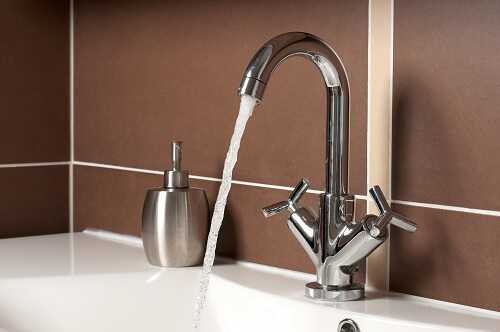

When you pour a cool glass of tap water or buy a bottle of water at the store, you don’t always know exactly what you’re drinking. Local municipal water is often laden with chemical additives such as chlorine and fluoride; if not monitored carefully, these chemicals can pose serious long-term health risks. High levels of fluoride can lead to severe dental fluorosis, skeletal fluorosis, and fragile bone mass. Most city water system operators add chlorine to the water supply to reduce the spread of bacteria. Yet if chlorine levels are too high, you can suffer from respiratory problems like asthma or bronchitis. You may also notice skin rashes, eye irritations, or hair loss as a result of long-term chlorine exposure.
Water iodizer
Most water that we consume on a daily basis is acidic, and this can cause bone loss over a long period of time. For people who are at risk for osteoporosis, drinking acidic water can be a serious health risk. Substituting alkaline water using a water iodizer can help; the body will be able to balance its pH level without affecting bone growth. Alkaline water also helps neutralize the acidic effects of stress, diet, and air pollution on the body. As an added bonus, iodized water can serve as a contributing factor to weight loss, because a healthier pH balance reduces the need for fatty tissue as protection from acidic chemicals. By breaking up tap water on a micro level, ionized water is easier to pass through cells in the body. When the cells have more access to water, they hydrate more quickly and deliver essential nutrients more efficiently to the body.
Bottled water
Many people believe that bottled water is the solution, but not only is bottled water expensive, it also creates extra waste and contains many of the same contaminants that you’ll find in tap water. Consider this: a National Resources Defense Council study found that 22% of bottled water contains contaminants above state regulations. If you are buying bottled water to avoid contaminated tap water, you may just be wasting money on another contaminated water source. Moreover, bottled water is not environmentally-friendly. Most plastic water bottles are not recycled, thus adding unnecessary waste to landfills. Often, bottled water is distributed in trucks, which burns fossil fuels, creates harmful emissions, and leaves a bigger carbon footprint. Furthermore, plastic water bottles are made from oil-based Polyethylene terephthalate, which creates a significant amount of toxic emissions.
Water filter system
Is there a better solution? With a home water filter system or a water iodizer, you can filter harmful contaminants from your tap water without worrying about your carbon footprint. These water treatments neutralize pH balances in the water, and strip local municipal water of toxic chemicals while keeping healthy minerals. Because there is no packaging or waste involved, they are a cheaper and more environmentally-friendly alternative to bottled water.
Consider using a home water filter system or water iodizer today, and you’ll notice cleaner water that not only tastes fresher, it’s also better for you.

