

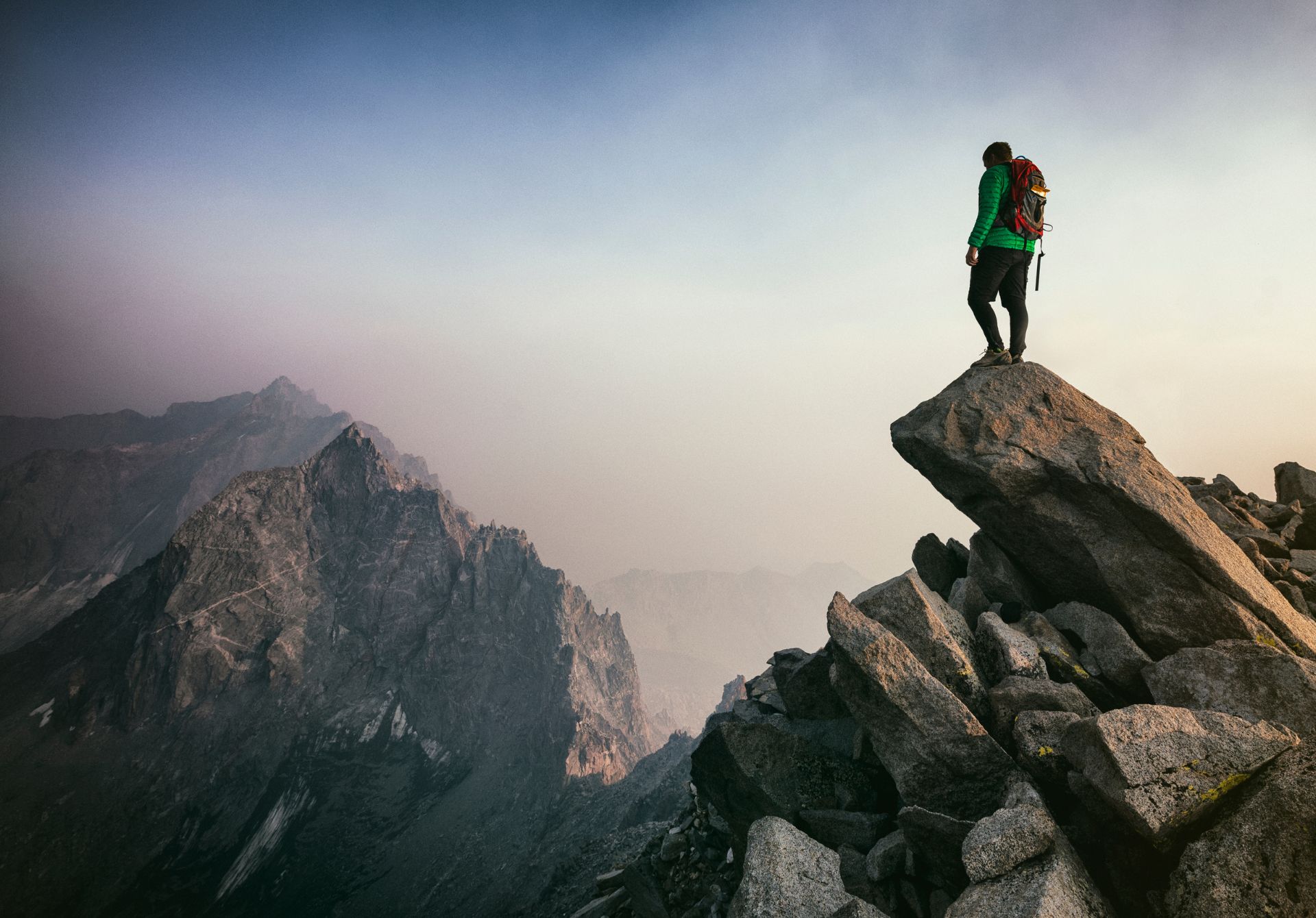

Mountain climbing is a demanding activity that is certainly not for the faint-hearted. Wild animals, avalanches, and pneumonia are all potential hazards that could occur at any moment. Climbing some of the world’s most dangerous mountains is a dream of every serious rock climber. Every year, thousands make that dream a reality.
The climber must be a good person. It must be such that the next person can rely on it. A climber is a person who is aware of the fact that he is ready to entrust his life to the one walking next to him.
In addition, volitional qualities and physical fitness, which must be at a high level, are also extremely necessary for every rock climber. Also, a climber must be erudite. He should be well-versed in many areas: engineering, geology, geography, etc.
Most dangerous mountains to climb
Mountains have attracted people with their grandeur and inaccessibility for centuries.The steepest peaks in the world have attracted a huge number of climbers and lovers of extreme sensations.
As a rule, rock climbing attracts adrenaline junkies searching for something new and unpredictable. Rock climbing gives strength and understanding of oneself. When a person reaches the top, he begins to respect himself much more than before.
Climbing also attracts people with its high and excellent collectivism. Here, as nowhere else, everyone’s life depends on a mate. Mountains are conquered by the strong, but not by loners. The following mountains require years of training, hard work, mental preparation, and dedication before someone can even think about attempting them.
For those who want to see these majestic peaks from a safe distance or explore the surrounding regions, finding a comfortable base camp is easy on Booking.com. Altogether, these 13 deadliest mountains have claimed thousands of lives, yet still attract many hopeful climbers eager to attempt the long and dangerous journey to the top.
- Eiger, Switzerland, 13,015 ft
- Annapurna, Nepal, 26,545 ft
- K2, Pakistan/Chinese Border, 28,251 ft
- Mont Blanc, French/Italian Border, 15 773 ft
- Nanga Parbat, Pakistan, 26,660 ft
- Kanchenjunga, Himalayas, 28,169 ft
- Fitz Roy, Patagonia, 11,171 ft
- Vinson Massif, Antarctic, 16,050 ft
- The Matterhorn, Swiss/French Border, 14,692 ft
- Mount Everest, Himalayas, 29,032 ft
- Dhaulagiri, Himalayas, 26,795 ft
- Baintha Brakk, Karakoram, 23,901 ft
- Denali, Alaska, 20,310 ft
1. Eiger, Switzerland
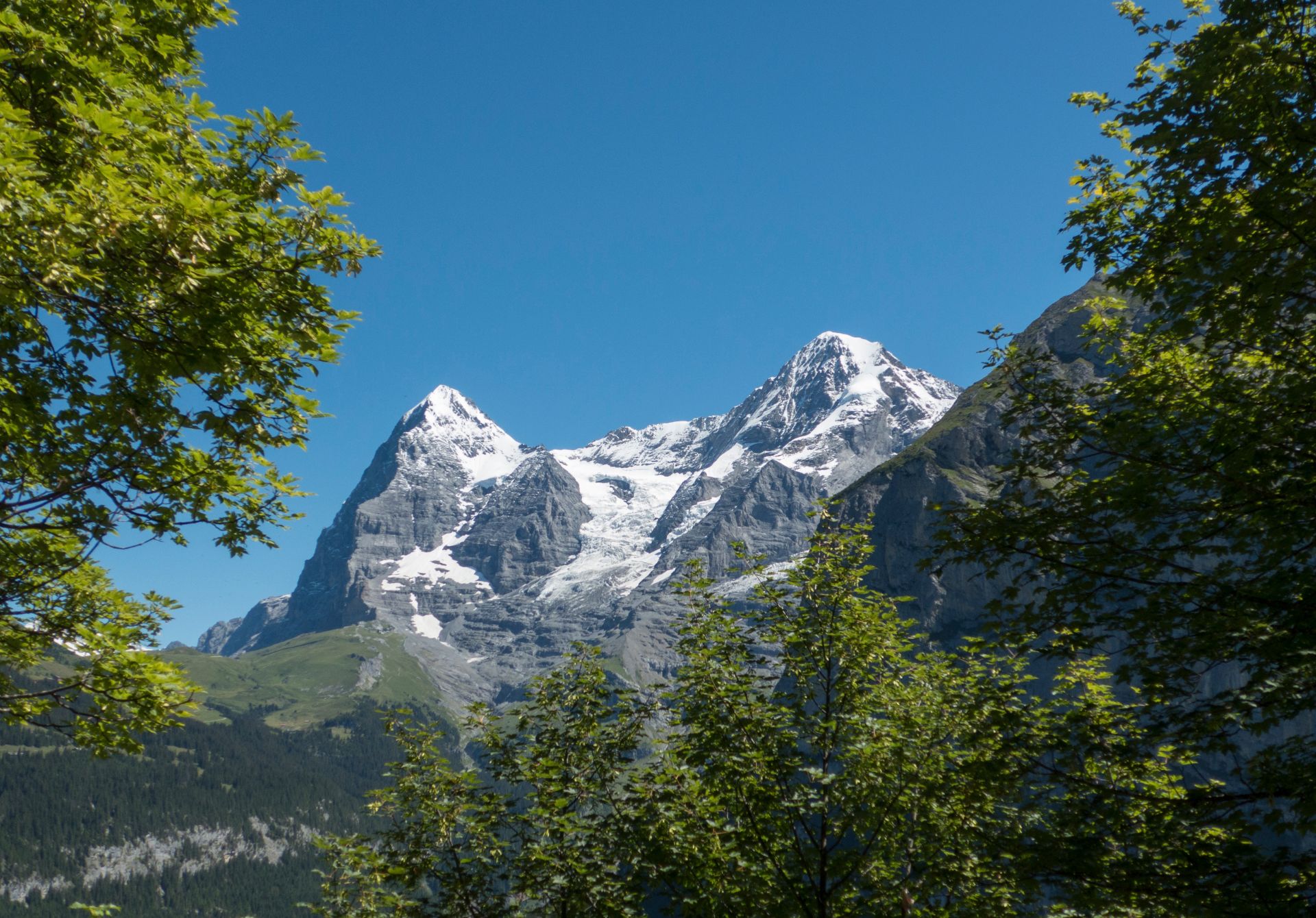

This stone giant stands at an impressive 13,015 feet. The first recorded person to reach the top was in 1858, but the notoriously tough north face was not successfully passed until 1938.
Despite the height of only 13,015 ft, this peak is recognized as one of the most dangerous and challenging in the world. The death wall stretches for 1.2 miles and is the most difficult part. Blocks of ice systematically break off from the Eiger and slide down. Therefore, the north face of this mountain is known as the Murder Wall amongst rock climbers and has claimed over 64 lives since 1935.
This one of the most dangerous mountains to climb continues to challenge climbers of all difficulty levels, both due to technical complexities and heavy rockfalls. Moreover, as the sun approaches the upper edge of the North Face in the afternoon, the ice on the summit begins to melt. Along with it, small pieces of rock thaw and rain down. Despite their small size, they are very dangerous, as they fall from a great height.
2. Annapurna, Nepal
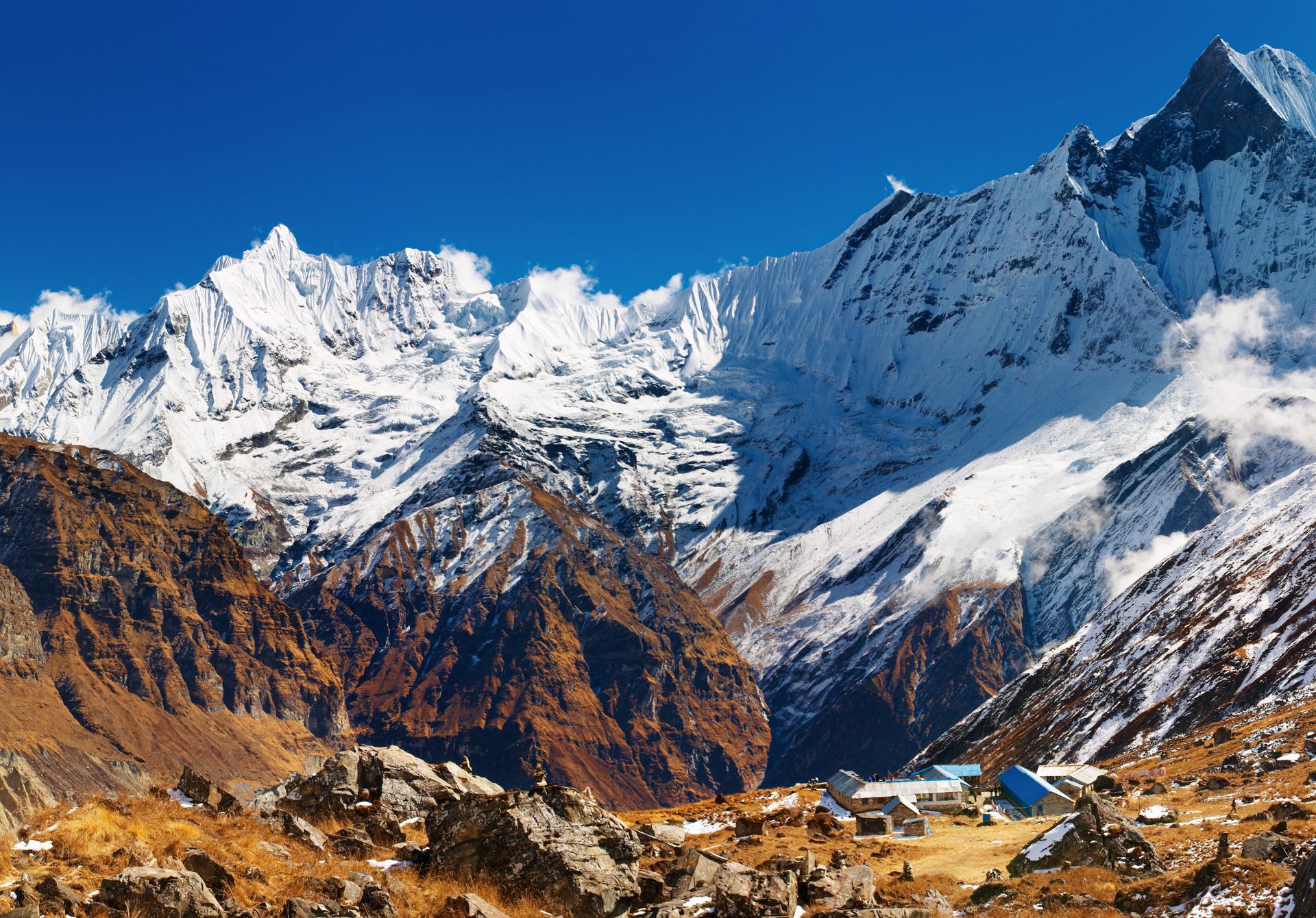

Annapurna is an ancient Sanskrit word that translates to the ‘Goddess of the Harvests.’ This mountain is the 10th highest in the world.
The mortality rate is 26.7%. Unfortunately, 60 people have perished on the slopes of this world’s most dangerous mountain to climb. Only 266 brave souls have ever made it to the top to date – this is the smallest number of climbers among all eight-thousanders. The leading cause of death in avalanches.
But at the same time, this is the first eight-thousander that a person managed to climb. The first was in 1950, followed by a successful ascent from the south face in 1970. Tomaz Humar from Slovenia became the first solo climber to make it to the top via the south face in 2007.
Climbing Annapurna is possible after severe preparation and training, and beginner climbers are better suited for climbing less dangerous peaks in the Annapurna reserve and visiting teahouses in Nepal on the Khopra range, or hiking in the Mardi Himal base camp.
Read also – 10 Gorgeous Places Everyone Should Visit
3. K2, Pakistan/Chinese Border
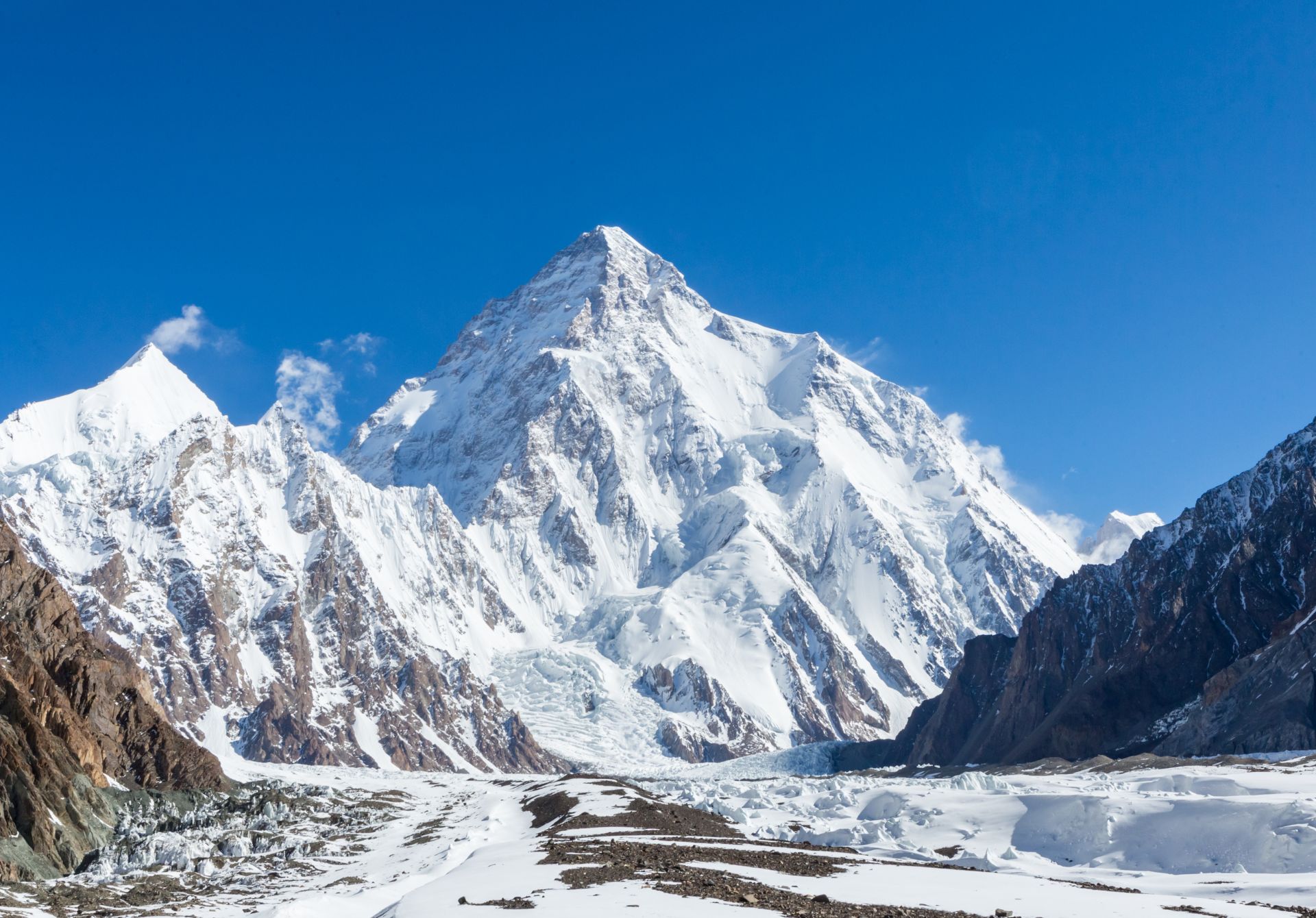

K2 is the second-highest mountain in the world at a staggering 28,251 feet. No one has ever attempted to climb this mountain during the winter. The summit is plagued by extreme storms that have earned it the nickname Savage Mountain.
Climbing even the most straightforward route requires crossing a difficult glacier, steep sections of rock, and traversing a path around a series of ice pillars called seracs that can collapse at any moment. The technical complexity of this most dangerous mountain makes it one of the most challenging and dangerous mountains in the world.
The mortality rate is 19%. Often, K2 ranks at the top among the most dangerous mountains to climb. This is justified since the mortality rate was 42% until recently. Almost every second person who sets out to storm the summit does not return from it.
Read also – 20 World’s Most Dangerous Vacation Destinations
4. Mont Blanc, French/Italian Border
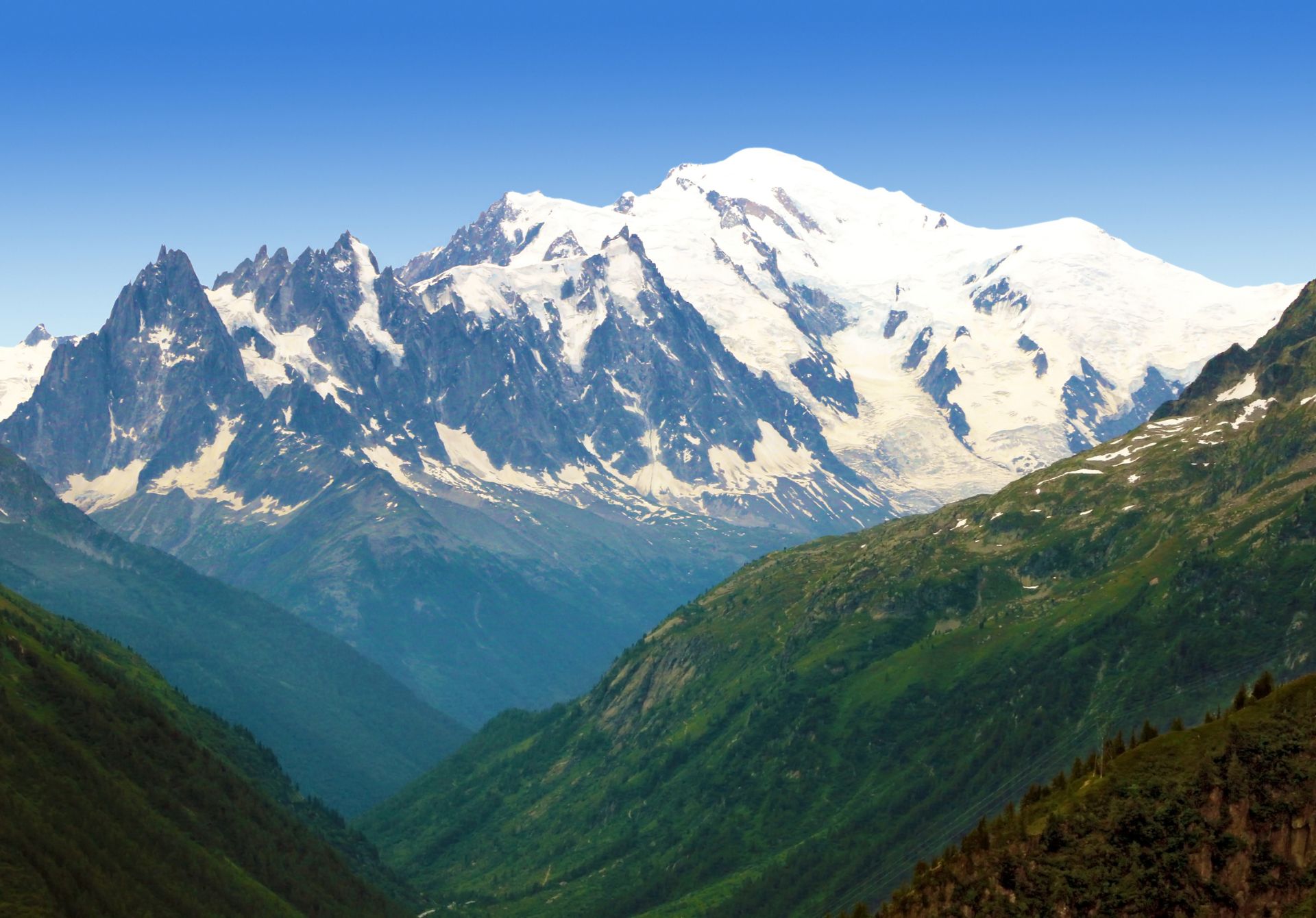

Mont Blanc may not seem intimidating, at only 15 773 feet, yet it has claimed over 8,000 lives. This is due to its popularity, and it is the most dangerous mountain climbed by an average of 20,000 tourists yearly. France and Italy have fought for centuries over ownership of this mountain and currently share the rights, although most of it is in France.
The first ascent dates back to 1786. The first woman to reach the top of Mont Blanc was Marie Paradis in 1808.
From a technical point of view, the ascent of Mont Blanc, the most dangerous mountain, is not too difficult, but almost every year deaths occur here due to frequent avalanches and bad weather. Unfortunately, there were 2 disasters on Mont Blanc, during which 48 and 117 people died; all of them were passengers of aircraft.
Read also – 10 Most Beautiful Botanical Gardens in the World
5. Nanga Parbat, Pakistan
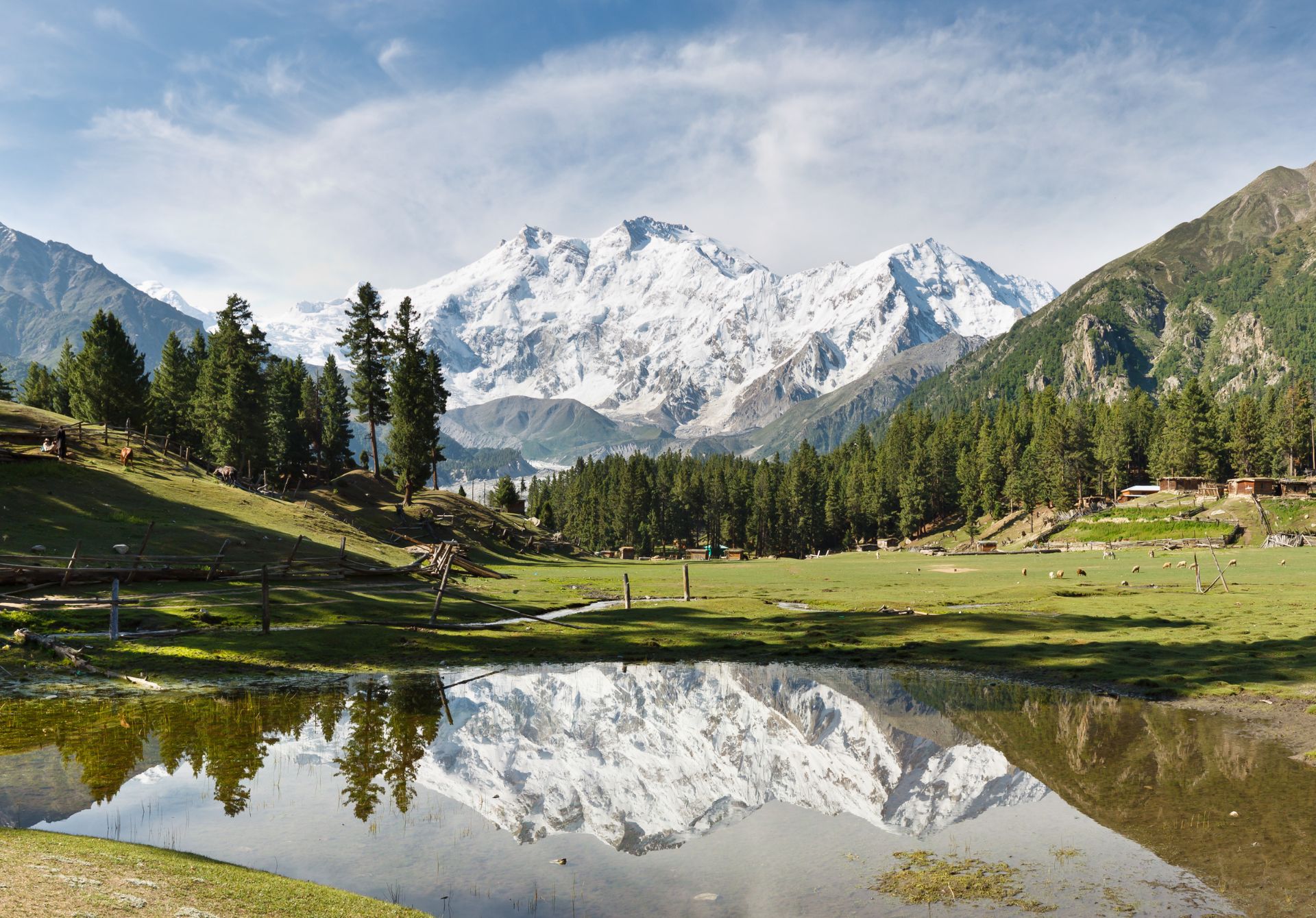

This behemoth, the most dangerous mountain in the world, has also never been conquered during winter. Nanga Parbat means Naked Mountain in Urdu, but several deaths have earned it the more fitting title of Killer Mountain.
The ninth highest peak in the world, Nanga Parbat in Pakistan, rivals K2 in technical difficulty. The initial ascent route goes along a narrow ridge to the top. On the south side is the most dangerous mountain to climb on the planet, the 15,000-foot Rupal.
Some of the dead died through no fault of this extremely dangerous mountain to climb. The fact is that Pakistan is often a turbulent political environment. In 2013, the local Taliban shot down part of the base camp. Unfortunately, many climbers died, including three Ukrainians. All of them are also included in the mountain’s death rate. Apart from the terrorist attack, the main causes of death on Nanga Parbat are avalanches and falls from the wall.
Read also – 10 Most Fascinating Castles in the World
6. Kangchenjunga, Himalayas
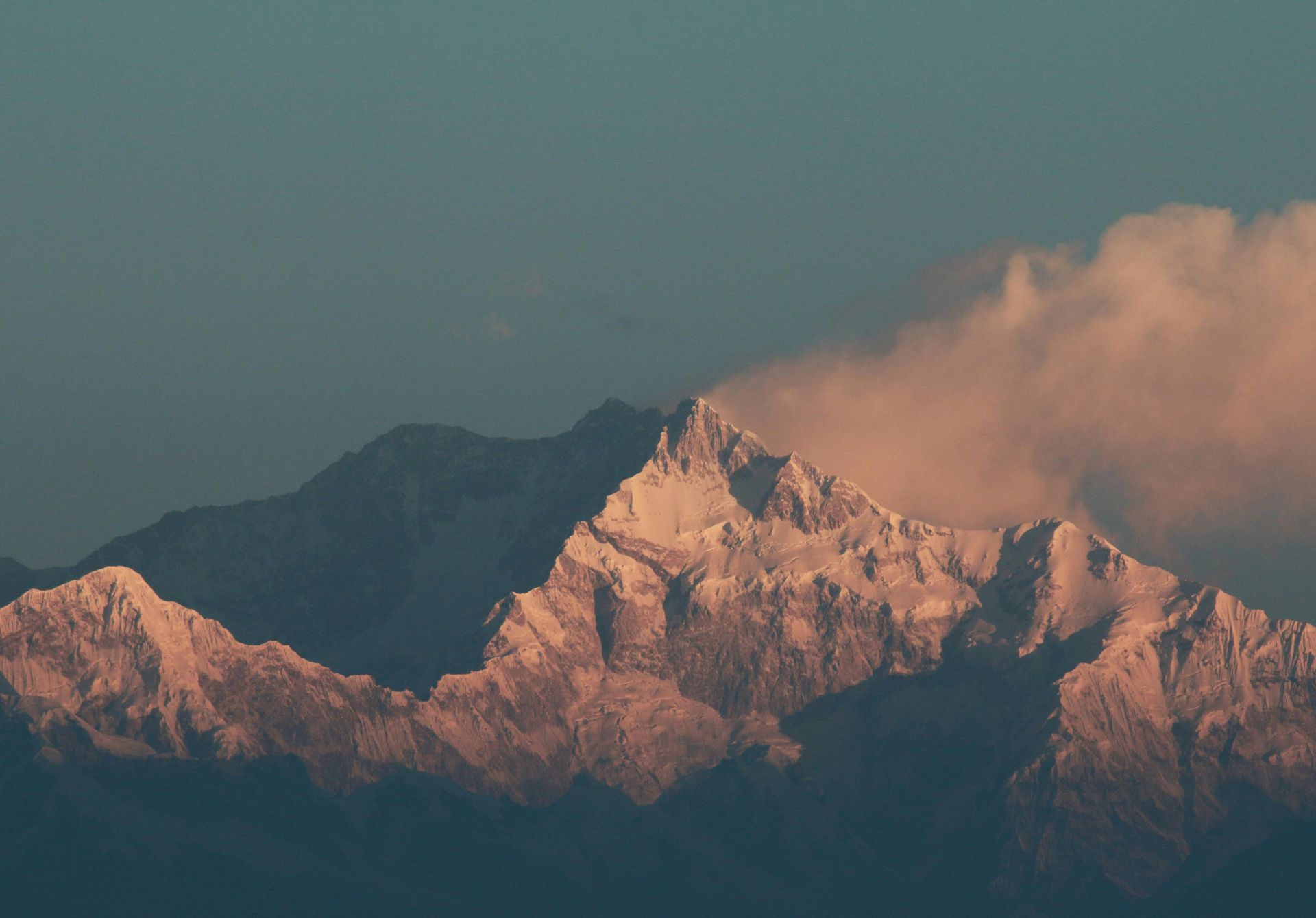

The world’s third-highest mountain sits on the border of Nepal and the Indian state of Sikkim. It is worshipped by the people of Darjeeling and Sikkim, who refer to it as the Five Treasures of Snow after its five high peaks.
In 1955, a British Expedition became the first group to reach the top of this incredibly dangerous mountain but never actually set foot on the peak. This was because of a promise to the Maharaja of Sikkim, who had asked that the top of this dangerous mountain remain untouched. Every climber to this day has followed the same tradition.
Nepal even has a legend that Kanchenjunga is a mountain that kills all women who tried to conquer its peaks. Only a few women went up and down alive, so for a long time, the peak was impregnable precisely for the female half of humanity.
The death rate is over 20 percent due to the avalanches and weather that plague this most dangerous mountain in the world. With climate change causing even more variable snow conditions and extreme weather, deaths during Kangchenjunga climbs may increase.
Read also – 10 Best Ski Resorts in the World
7. Fitz Roy, Patagonia
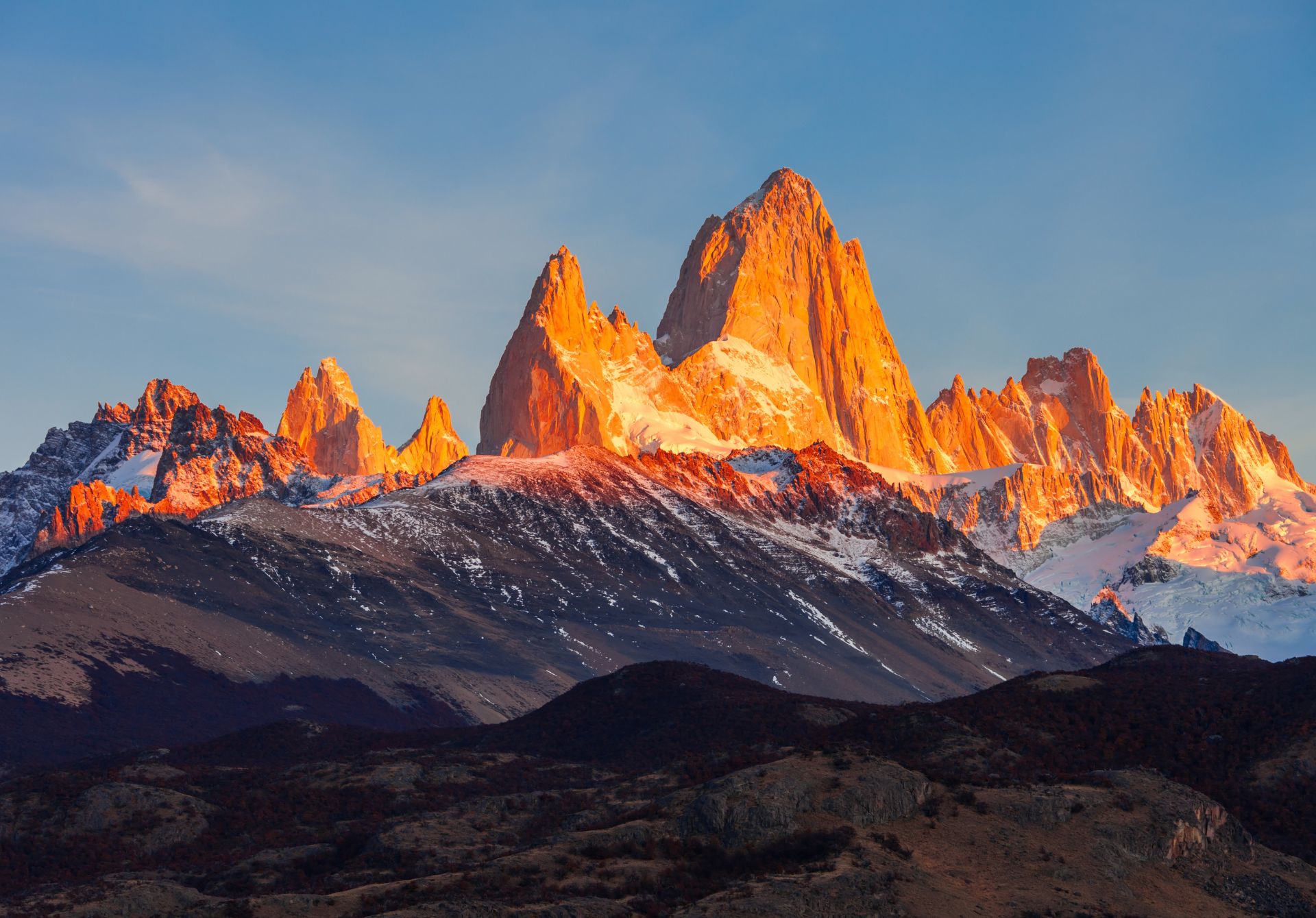

Fitz Roy is also included in this list as the most dangerous mountain to climb despite its relatively small size of 11,171 feet. Mount Everest has over 100 visitors to the top every day during the summer season, but Fitz Roy is lucky to receive even one guest per year. It is extremely isolated, which creates many problems for climbers, both technically and mentally.
This peak is considered quite dangerous to climb. Some sections of the mountain’s slopes are granite rock. In addition to the surface, the weather conditions are also a considerable difficulty for climbers, which are rarely suitable for conquering the peak. Looking at the almost smooth and steep sections of the rock, you can imagine how difficult the climb can be.
It is known that Mount Fitzroy, like a magnet, attracted many climbers to itself, but it remained unconquered until the middle of the last century, despite repeated attempts. So, the first climb to the top of this extremely dangerous mountain was completed in 1952. On average, only one team of climbers successfully reaches the summit of Fitzroy per year. Furthermore, many photographers died here due to falling from steep cliffs. All this makes Fitzroy one of the most deadly mountains.
Read also – 10 Most Exciting Adventure Trips of a Lifetime
8. Vinson Massif, Antarctic
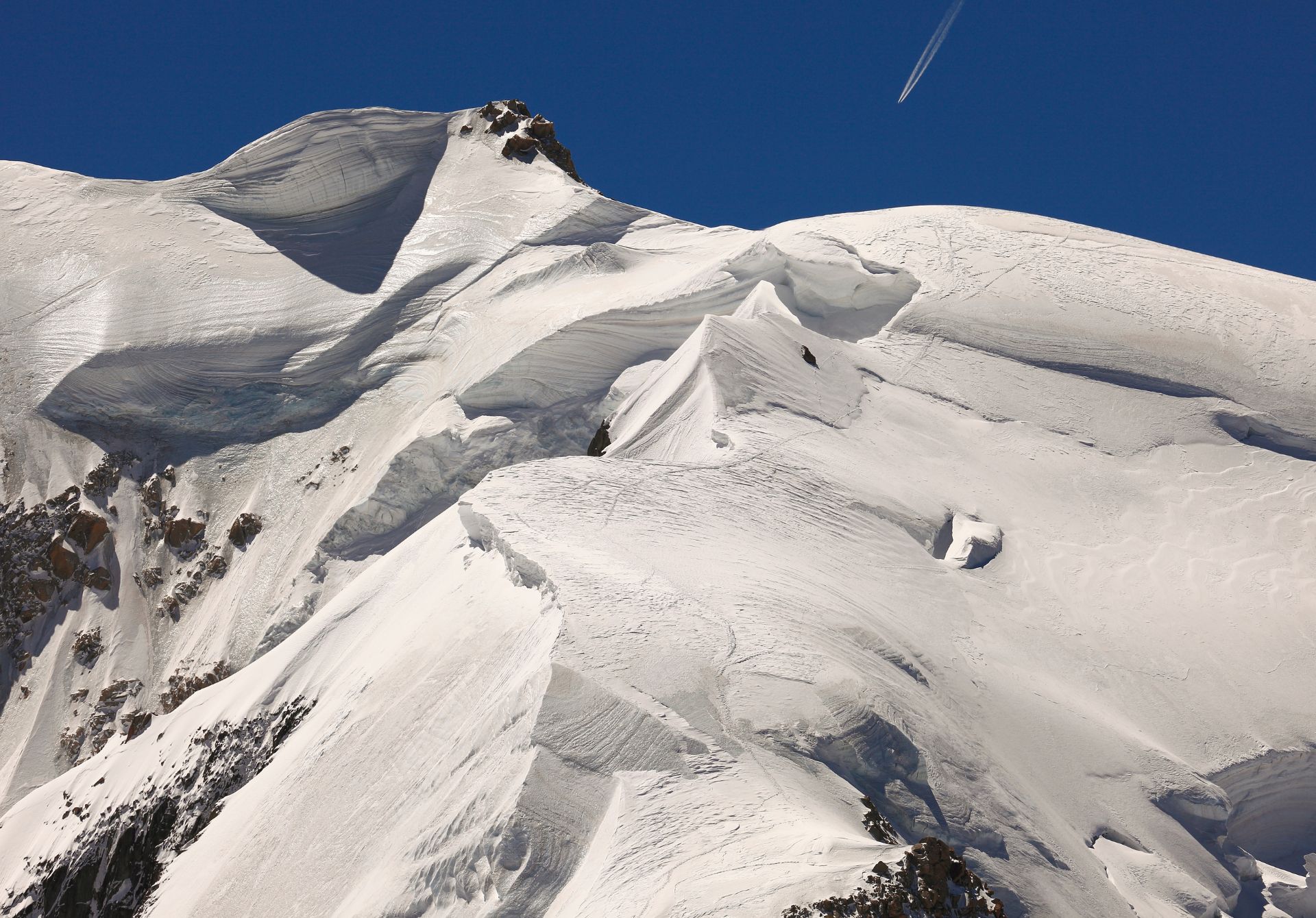

The first time this 16,050 feet giant was seen by human eyes was in 1958, after a US Navy Aircraft spotted it. It is located west of the South Pole, at the highest point of the Ellsworth Mountains. One of the most challenging mountains stretches for 12.4 miles. All approaches to it are solid glaciers. In some places, their thickness is 13 123 ft.
The Vinson Massif, the highest and the most dangerous mountain to climb in Antarctica, has no technical sophistication or fatality rate. However, the altitude, combined with the isolation, extreme cold, and unpredictable weather of the Antarctic continent, makes Vinson a very serious undertaking. Even a small accident here can turn into a disaster.
This extremely dangerous mountain was successfully climbed in 1966, and more than 1,400 climbers have conquered it. Many guide companies offer expeditions to the top for around $30,000 per person, as it is relatively easy to climb despite its huge size.
Read also – 10 Most Beautiful Palaces in the World
9. The Matterhorn, Swiss/French Border
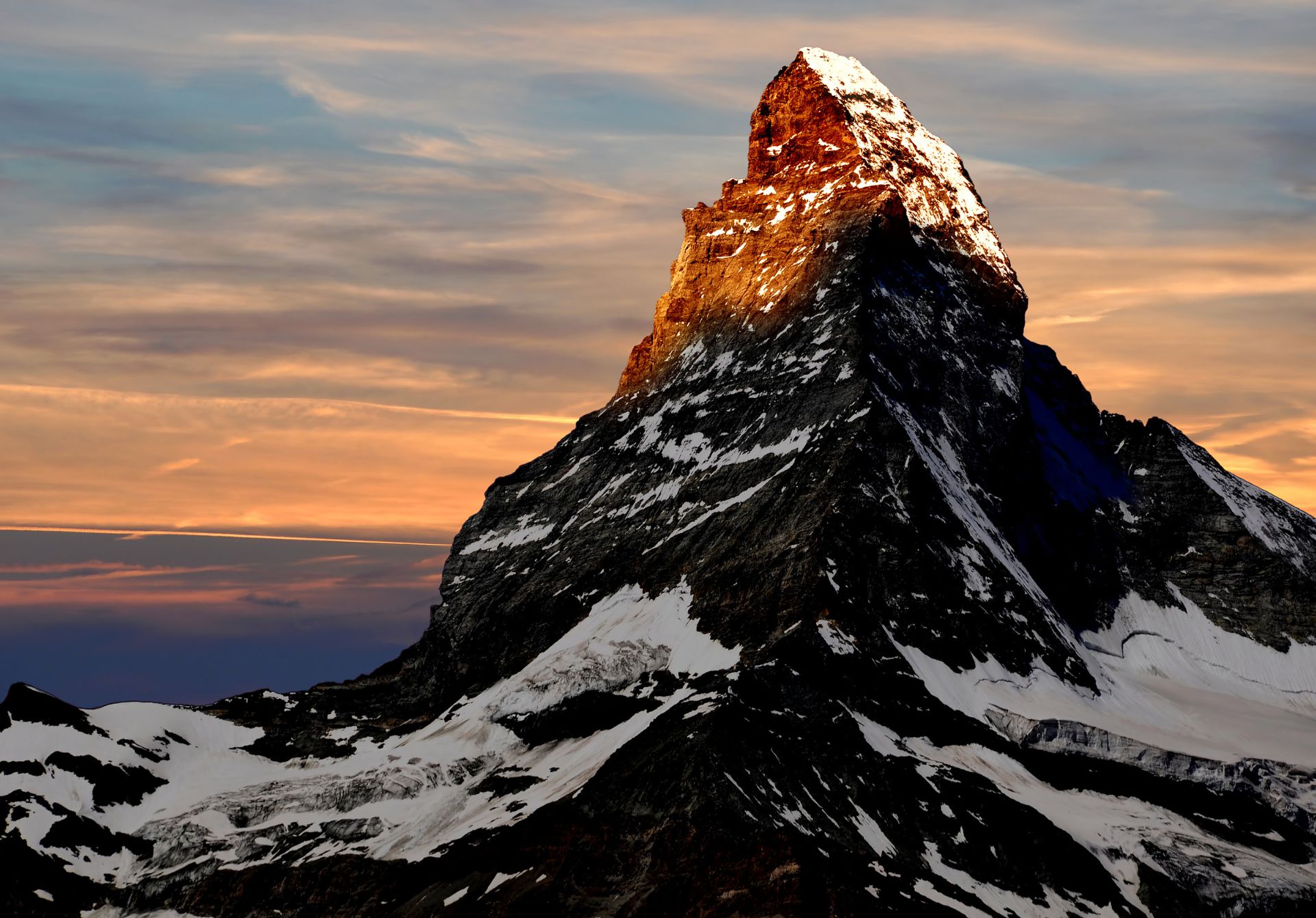

The Matterhorn is one of the deadliest mountains in the Alps. The first expedition to the top ended in tragedy after four members of the party fell to their deaths on the way back down. This mountain stands 14,692 feet tall and was one of the last mountains to be climbed in the Alps.
The northern slope of the Matterhorn is recognized as impregnable. This breathtaking mountain, which looks like a horn rising from the surrounding valleys, has one of the highest fatality rates of any peak in the Alps. This is due to several factors, including technical difficulties, avalanches, frequent snowfalls, and rockfalls, as well as severe overcrowding of routes during peak climbing seasons.
In 1865, two groups were lucky enough to conquer the summit at once, but one died due to a cable break during the descent. Today, this one of the most dangerous mountains to climb in the world is a popular object for climbers. Every year, thousands of people try to get to the top. The most popular route is over the Hornli ridge from Zermatt. Another way is along the Lyon ridge.
Read also – 10 Most Beautiful Places in the World
10. Mount Everest, Himalayas
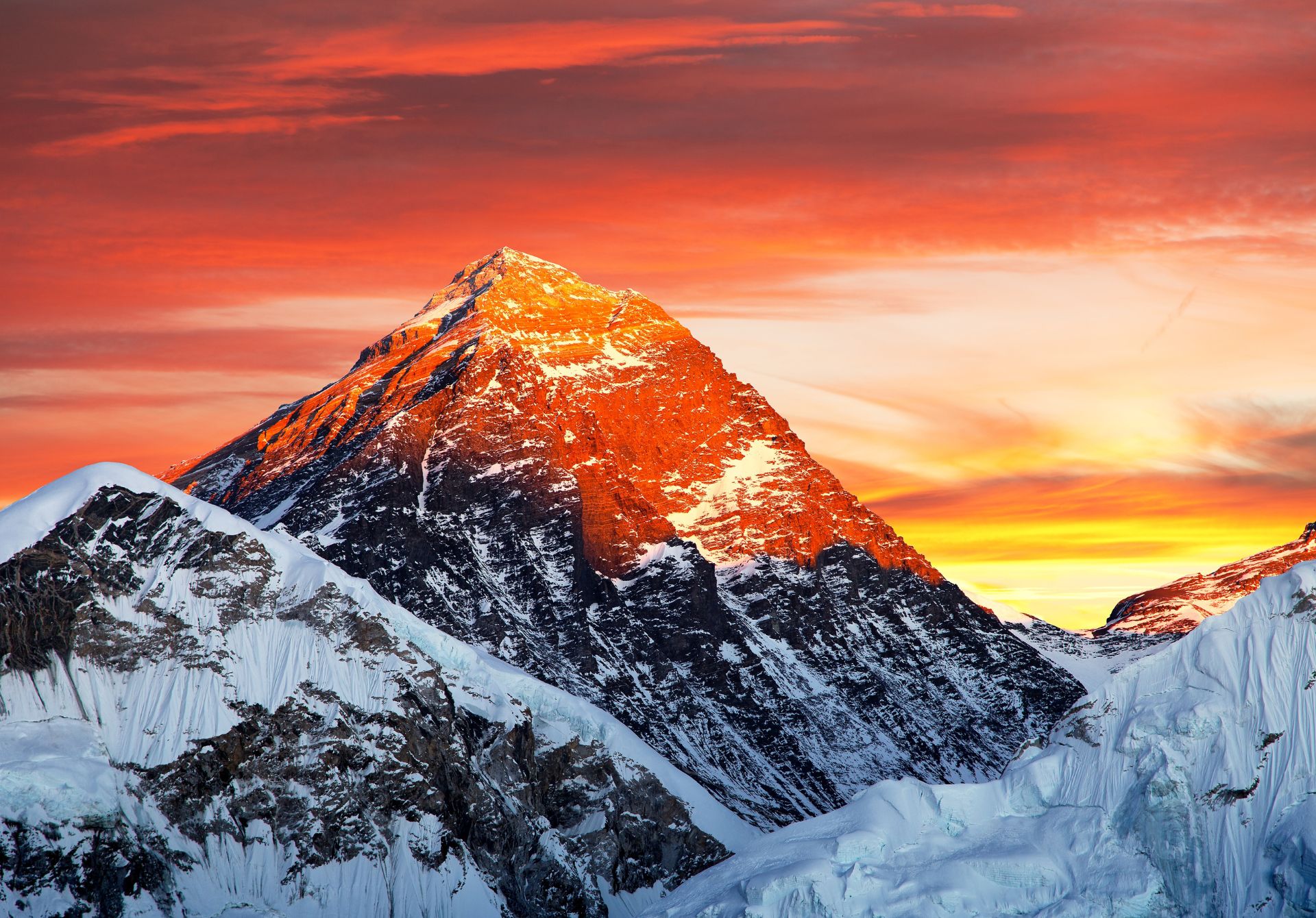

Earth’s highest mountain is an incredible 29,032 feet high. It is known as Sagarmatha in Nepal and Chomolungma in Tibet. Its status as the world’s highest mountain has attracted a huge number of tourists, and as of March 2012, it had been climbed 5,656 times. Many people have claimed that the commercialization of Everest has devalued one of the most incredible places on the planet.
The most dangerous mountain on Earth is a very attractive object for climbers all over the world who try to climb it all year round. It will take about two months to conquer it. This period includes the acclimatization stage and the installation of the camp.
Chomolungma is a very serious challenge for a person, even the most experienced climber. Everest, being the highest peak in the world and the deadliest and most dangerous mountain to climb, is not the most difficult to climb, but it is still quite dangerous. Over its entire history, about 250 climbers have died on the slopes of the mountain. The section of the last 300 meters is the most difficult. To overcome the dangerous mountain, you need to climb a smooth, very steep stone, constantly covered with dry, loose snow.
11. Dhaulagiri, Himalayas
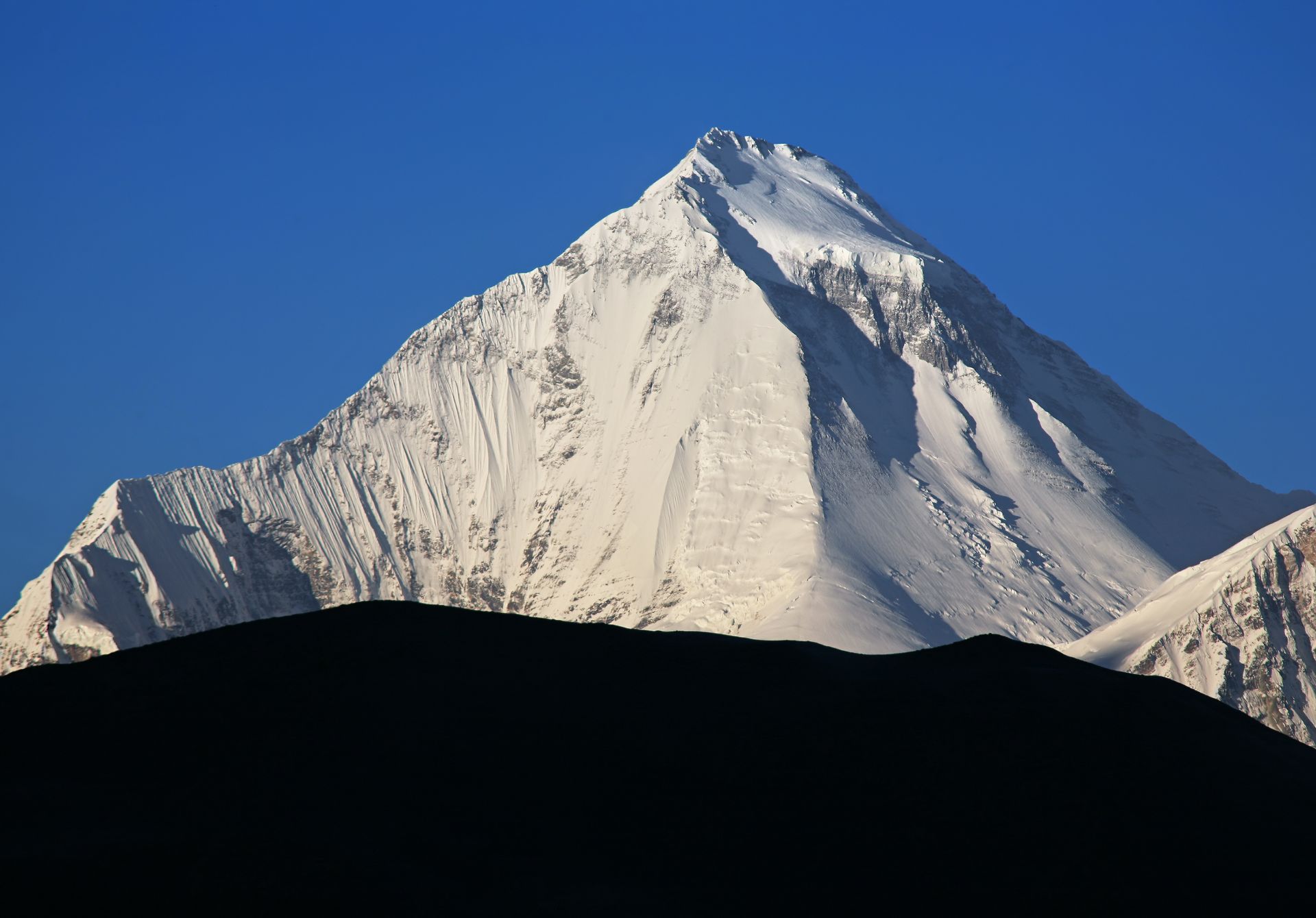

The height of this multi-peaked giant is 26,795 feet. Dhaulagiri is recognized as the seventh-highest eight-thousander in the world. People called it the cannibal mountain because 16% of all those who tried to conquer Dhaulagiri died here.
It is noteworthy that despite its relatively low height (the seventh peak in the world), Dhaulagiri is considered one of the most dangerous eight-thousanders on the classical route. There are some reasons to justify it. First, avalanches, falls, and breakdowns make it one of the deadliest mountains in the world, as the route runs along a steep slope. In spring, the weather conditions for climbing are more favorable, and in autumn, they are a little worse.
This peak was the penultimate eight-thousander, submitted to people. The first group to climb it was a group of Swiss and Austrian climbers with two Sherpas. Later, a group of American climbers with no experience in Himalayan rock climbing attempted to storm the summit from an unexplored side.
12. Baintha Brakk, Karakoram
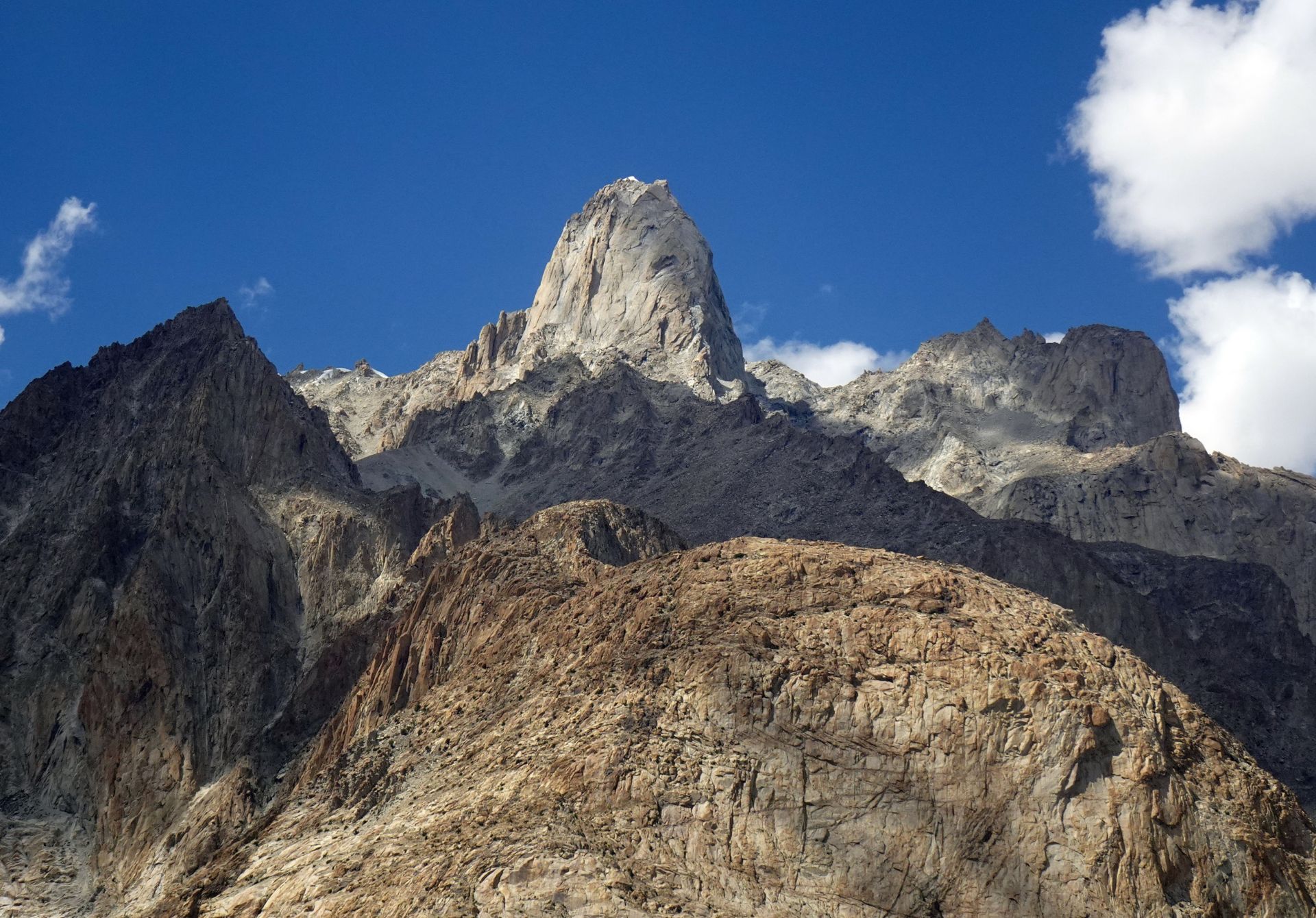

Baintha Brakk is a 23,901 feet high peak with a bizarre relief and the highest peak of the Panmah Muztag ridge in the Karakoram. This deadly mountain is famous for its steep and uneven rock, which is why its terrain is much more difficult to cross than most of the peaks of the Karakoram.
Over the past century, the Cannibal has gained fame as one of the most challenging peaks in the world. The high altitude, steepness, unpredictable weather, and proximity to the Uzun-Brakk glacier make the climb especially dangerous and almost unattainable.
Although the first ascent of the mountain occurred in 1971, this extremely dangerous mountain was conquered only in 2001. There were relatively few deaths, and many climbers were injured. Nevertheless, Baintha Brakk continues to claim the lives of those who try to conquer it. Therefore, it is considered one of the most challenging and dangerous mountains in the world.
13. Denali, Alaska
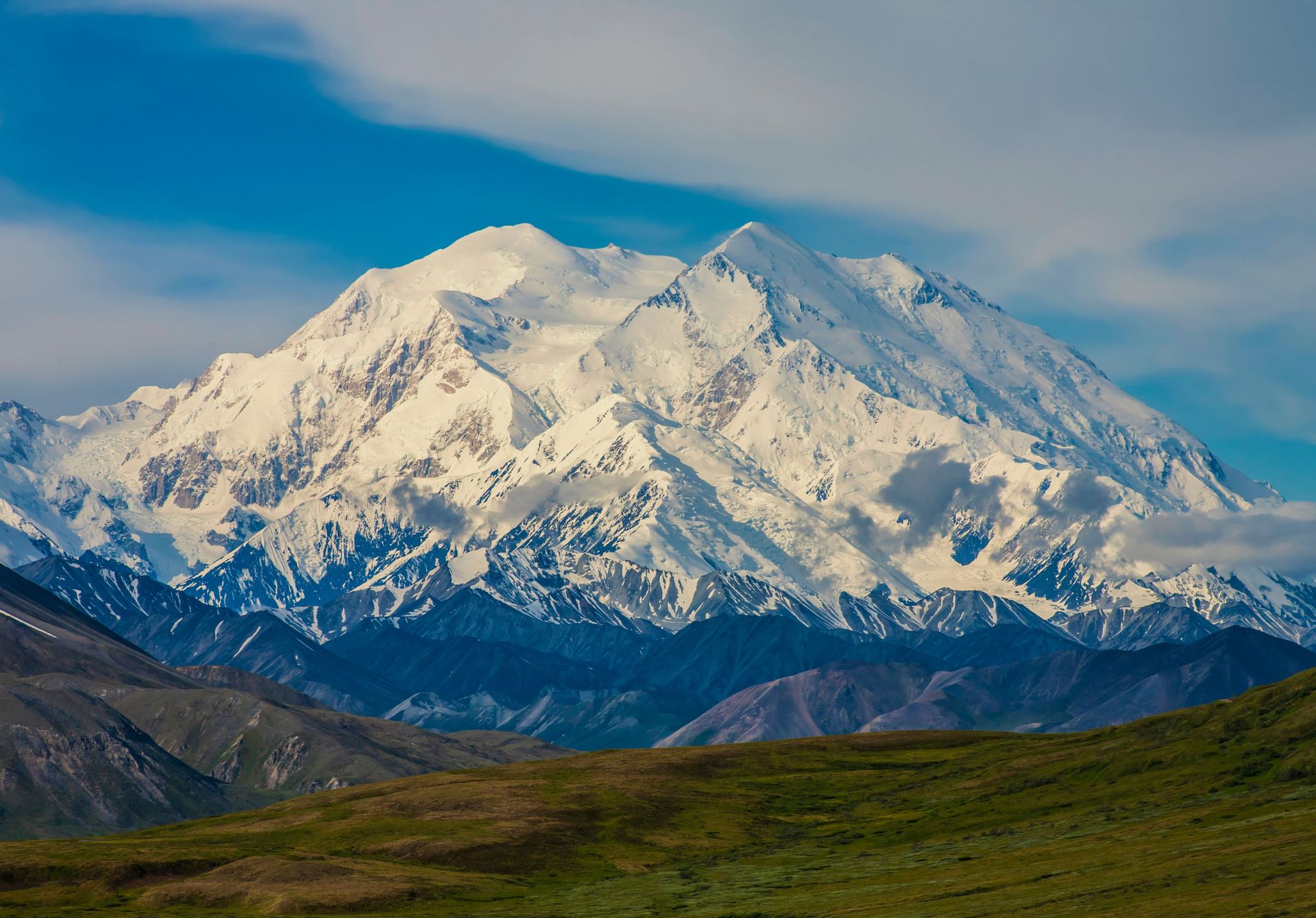

Denali, formerly known as Mount McKinley, stands at 20,310 feet as North America’s highest peak. Located in the remote wilderness of Alaska, this massive mountain presents unique challenges that have claimed over 120 lives since climbing records began. The extreme cold, with temperatures dropping to -40°F even during climbing season, makes it one of the most brutal environments on Earth.
The mountain’s high latitude means climbers face severe weather conditions and unpredictable storms that can last for days. Unlike many other dangerous peaks, Denali’s remoteness means rescue operations are extremely difficult and expensive, often impossible during harsh weather. The combination of altitude sickness, crevasse falls, and hypothermia creates a deadly triangle of risks.
Despite being less technical than many Himalayan peaks, Denali has a fatality rate of approximately 3.5%, making it one of the most dangerous mountains in North America. The West Buttress route, while considered the easiest path to the summit, still requires weeks of preparation and acclimatization. Many climbers underestimate this mountain due to its lower elevation compared to eight-thousanders, but its Arctic conditions and isolation make it equally deadly.
Below, we have compiled a list of the most interesting questions about the most dangerous mountains:
What are dangerous mountains?
Why can mountains be dangerous?
What are the most dangerous mountains to climb in the world?
What are the most dangerous mountains in the US?
Mount Denali is located in Alaska and is the highest mountain (20,310 ft) in North America. Altitude, weather, and extreme temperatures pose a severe threat to many people who climb Denali every year.
Mount St. Elias, located on the border of Yukon and Alaska, is also well-known as one of the most dangerous mountains in the US. Terrible weather conditions make climbing difficult for most of the year. In addition, because the summit is only 10 miles from the ocean, it is subject to frequent Pacific storm winds.
What dangerous animals live in the mountains?
Cobra, gyurza, efa, muzzle, viper, karakurt, scorpion, centipede, and hornets are dangerous, poisonous animals and carriers of diseases that rock climbers may encounter.
Mountains are ancient, mystical places that are among the most isolated places in the world. Their harsh conditions and dangerous paths seem to indicate that humans are not welcome on their slopes. Despite this, thousands of climbers are drawn to mountains each and every year, and even the risk of death is not enough to deter them.

